
Level 1 sweep and inspection to the NFPA 211 annual standard - flue, crown, cap, and flashing checked and photographed
Chimney sweep logs do not sweep chimneys. They loosen some creosote - which then falls where a brush and vacuum still have to collect it.
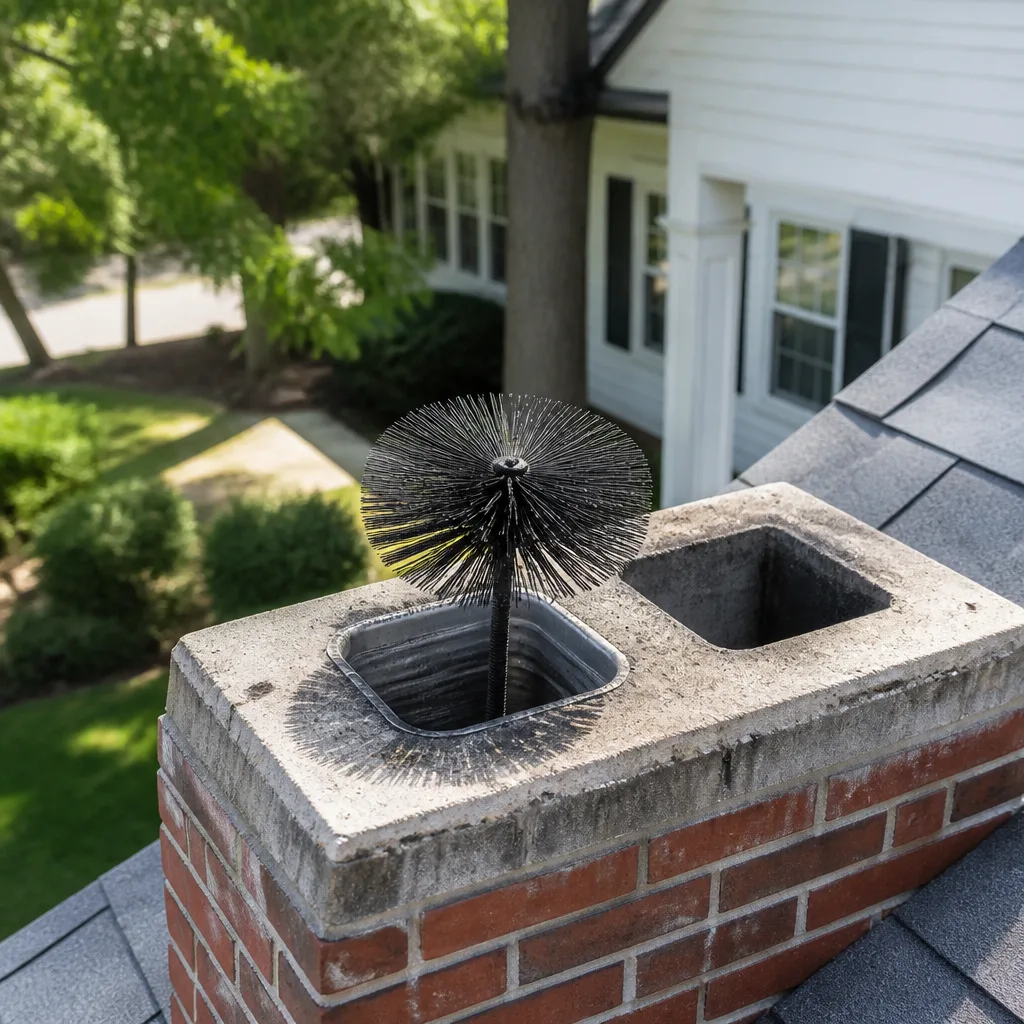
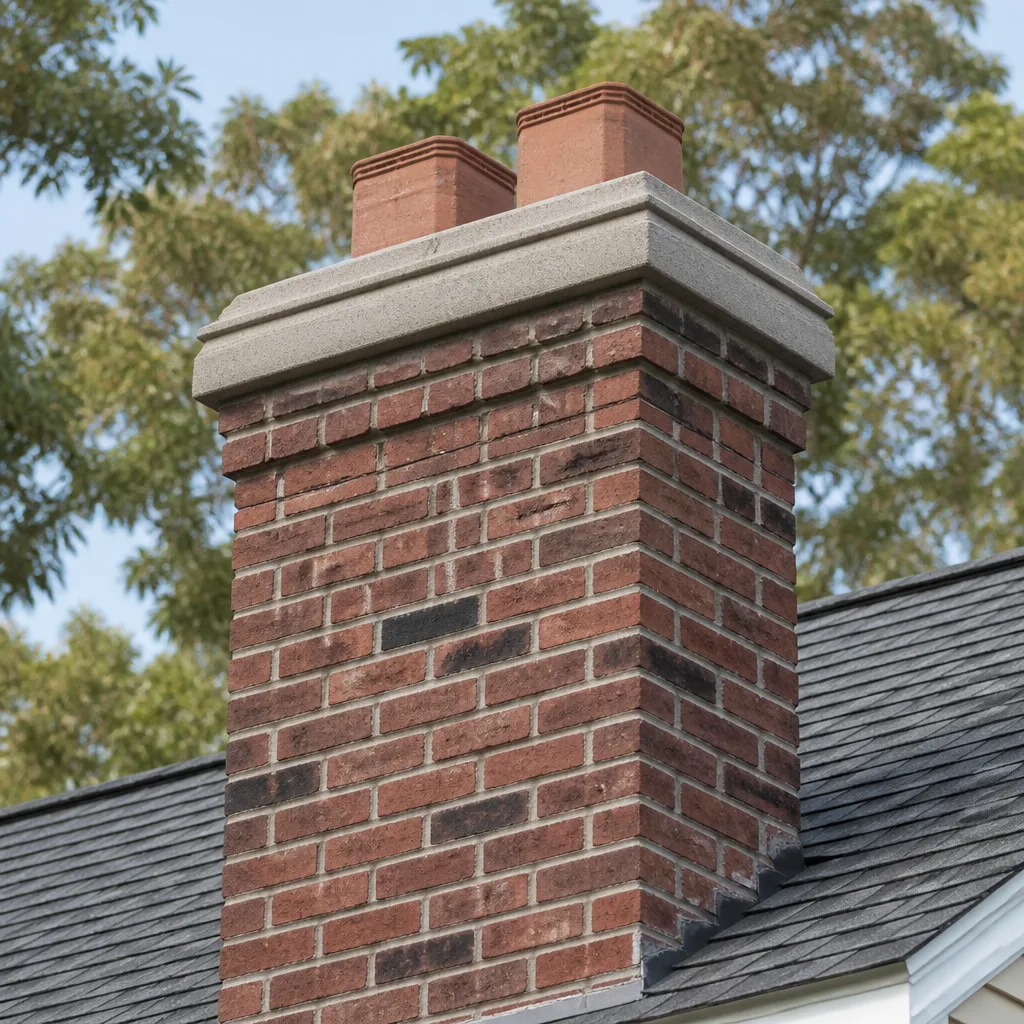
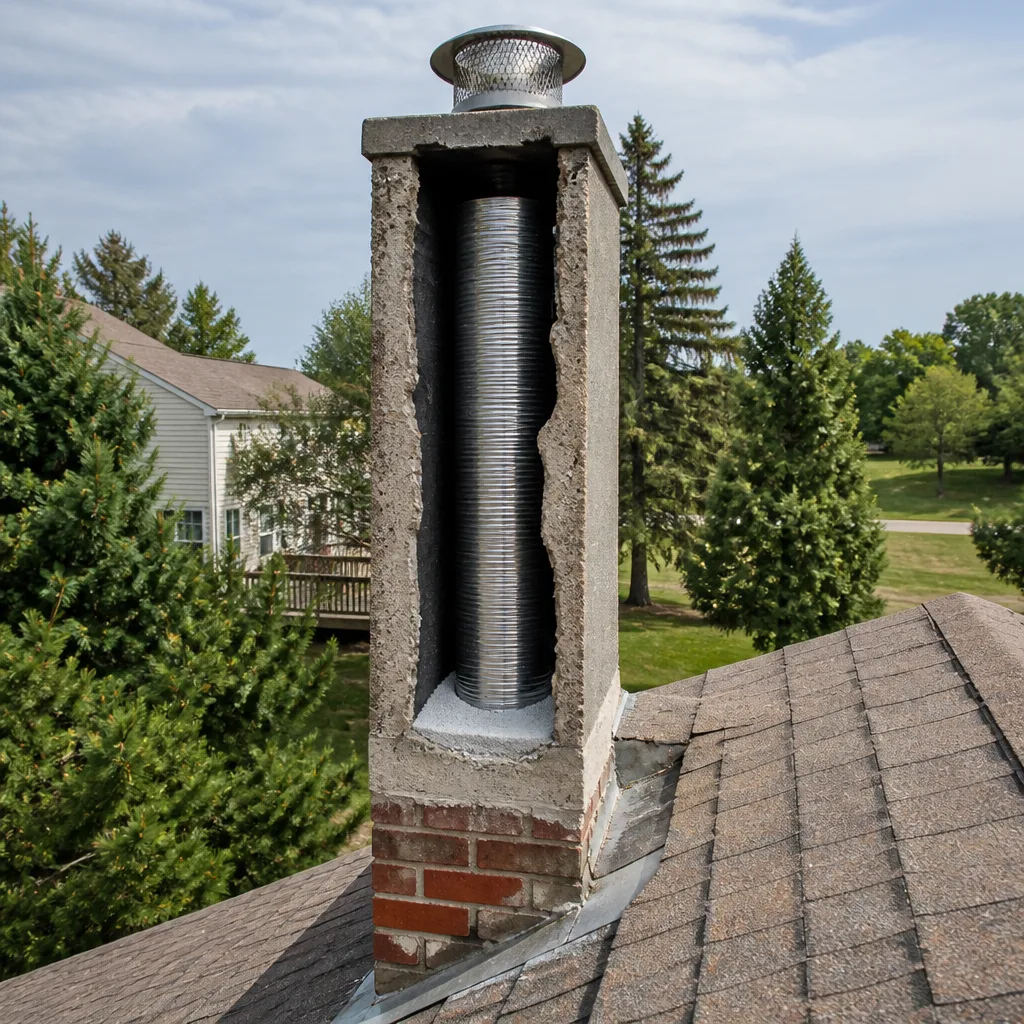
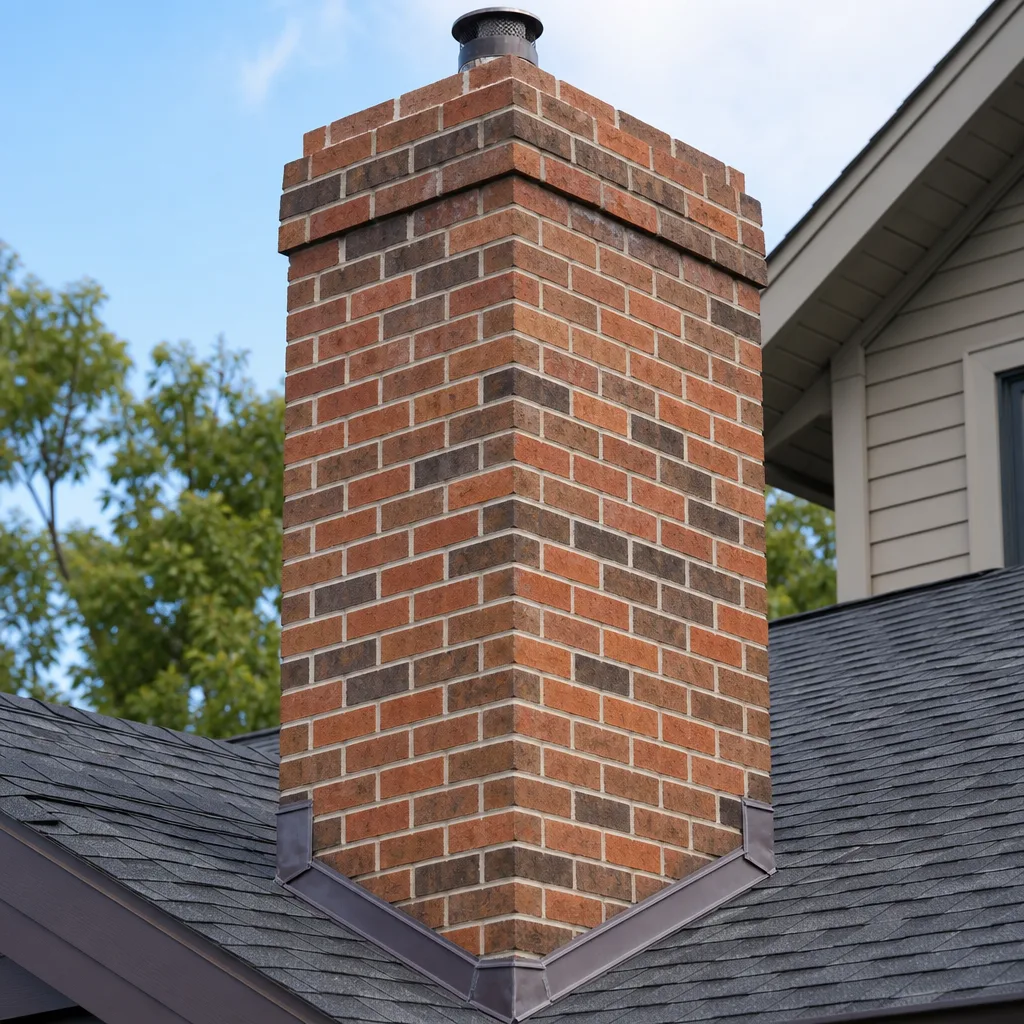
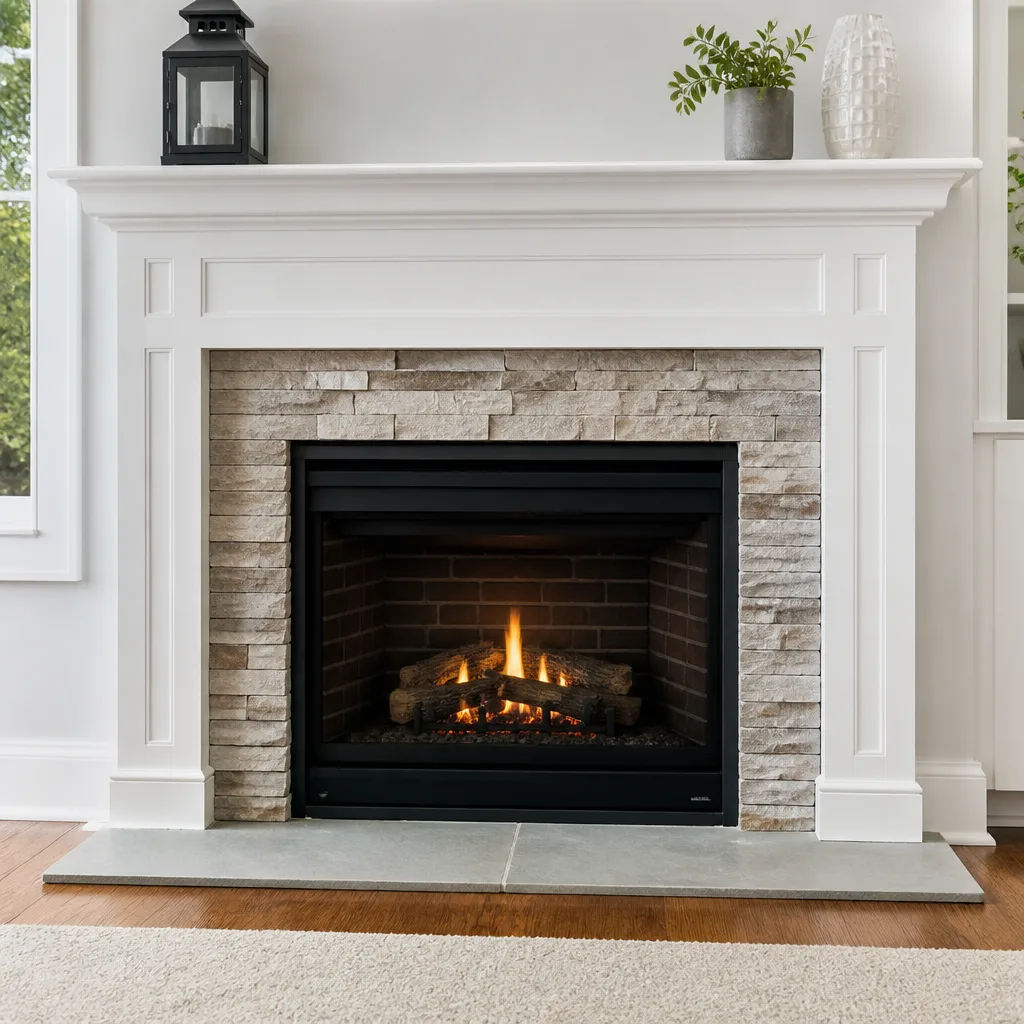
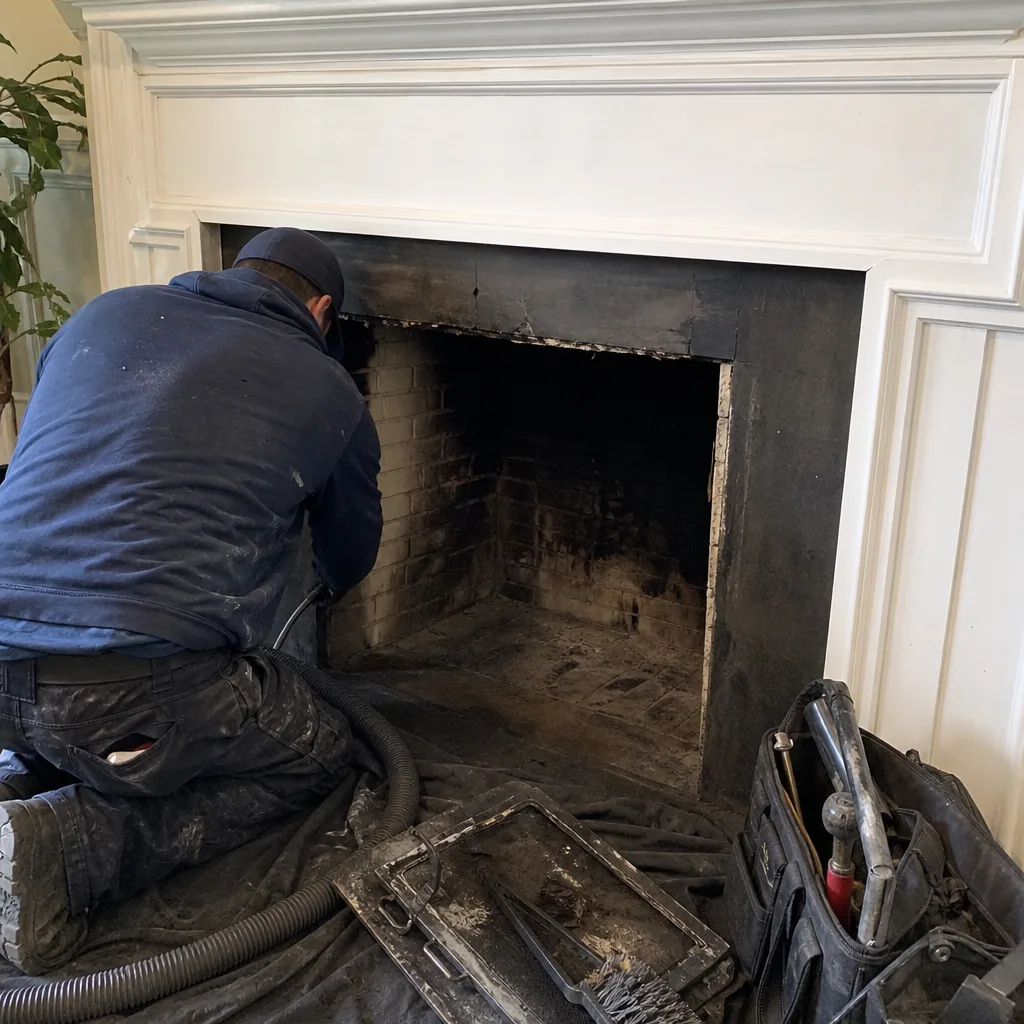 Before
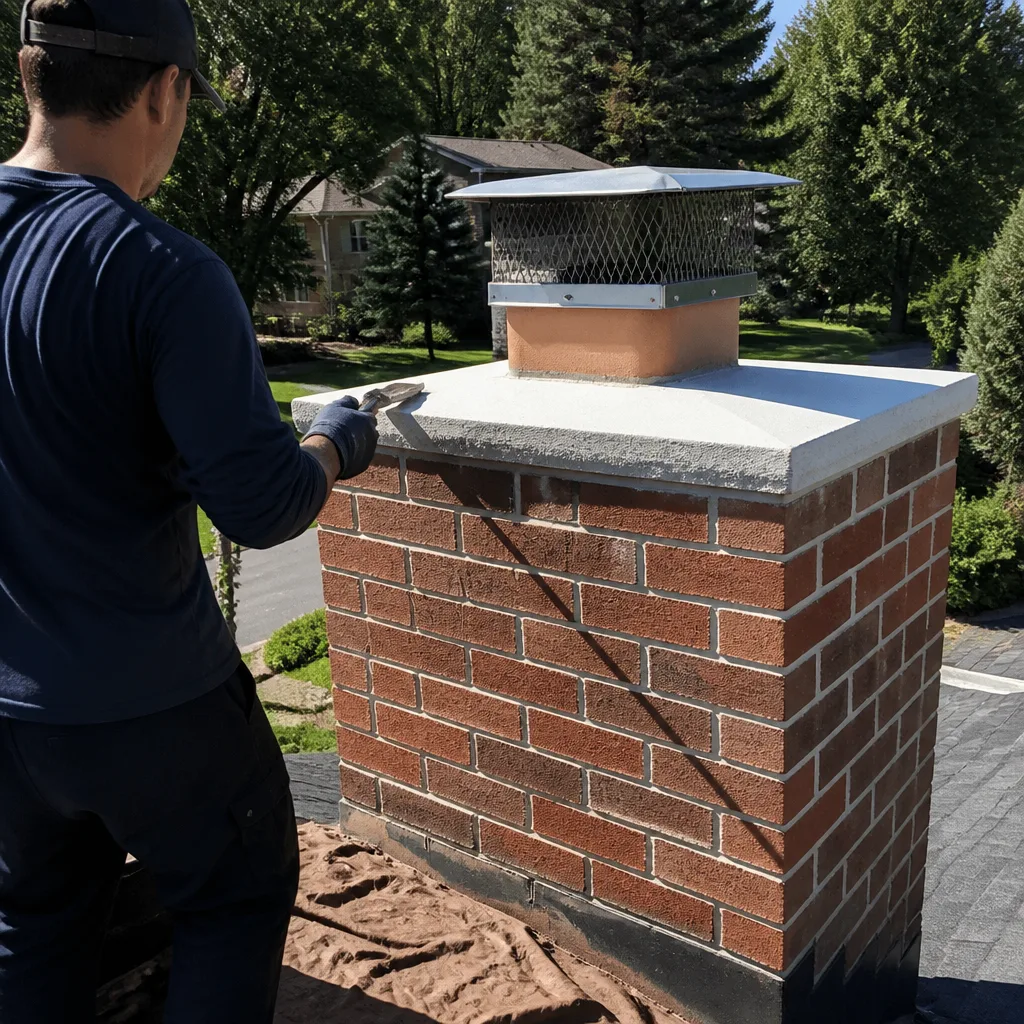 After
After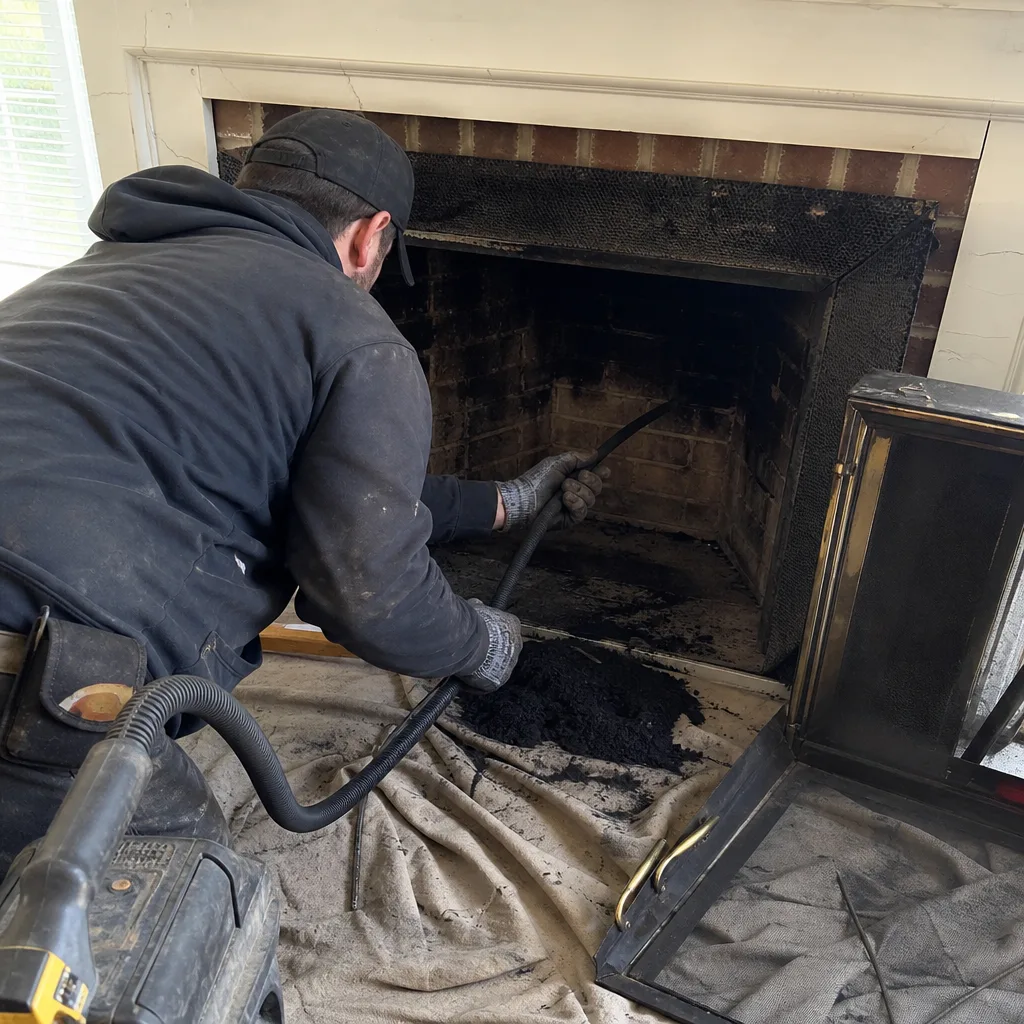 Before
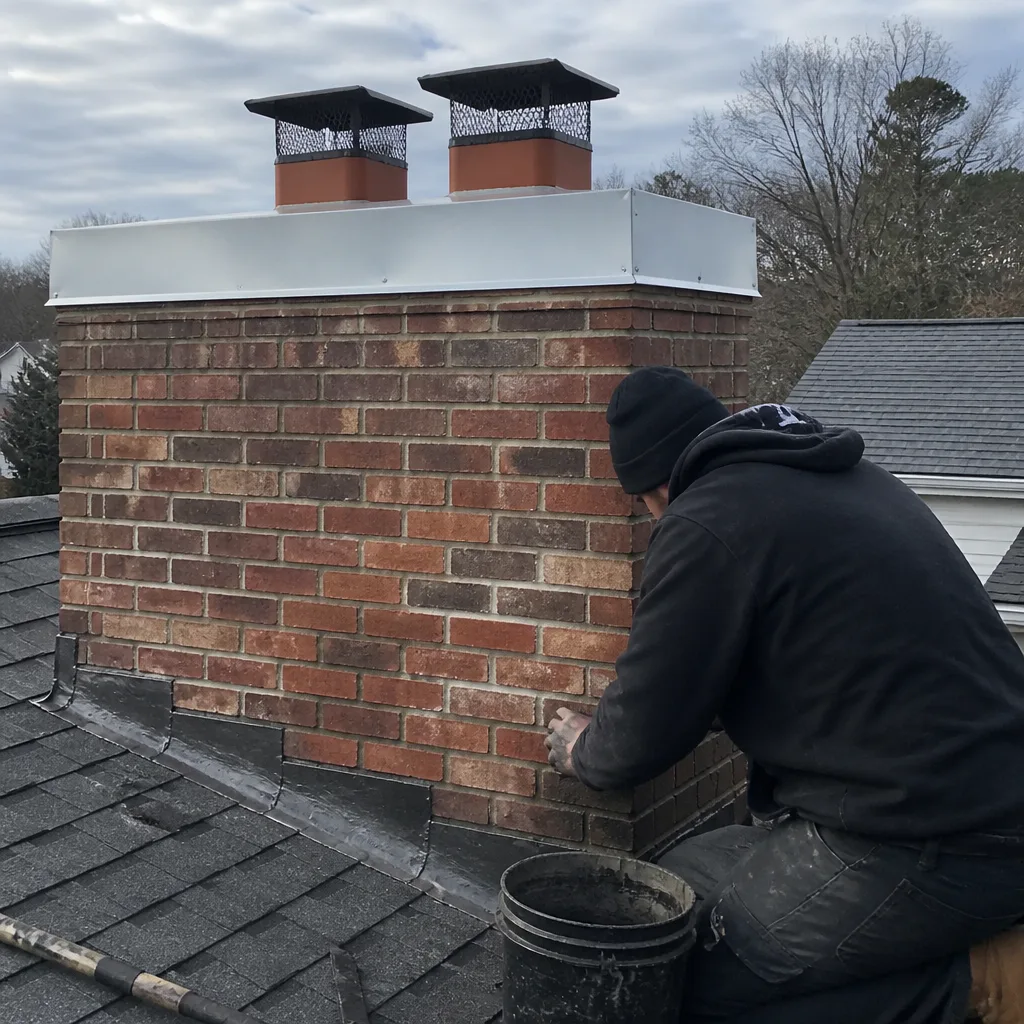 After
After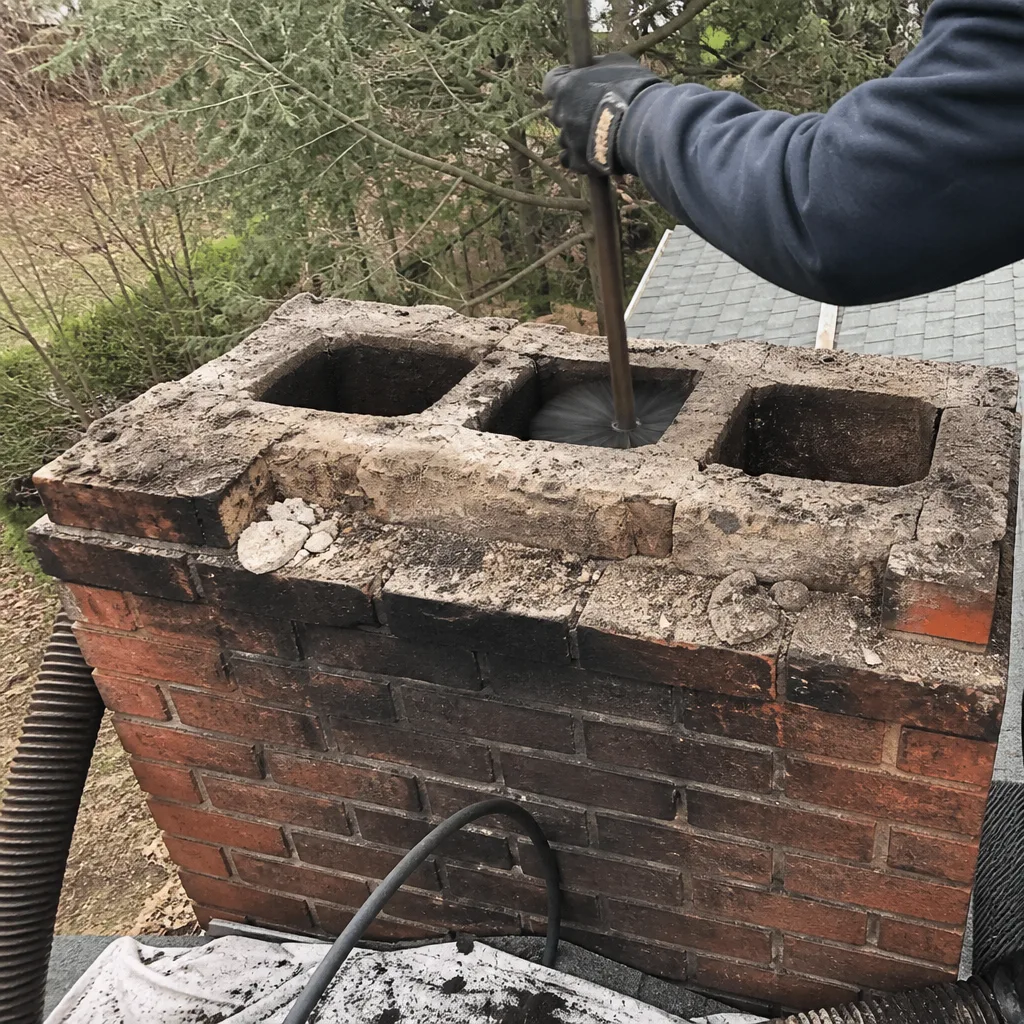 Before
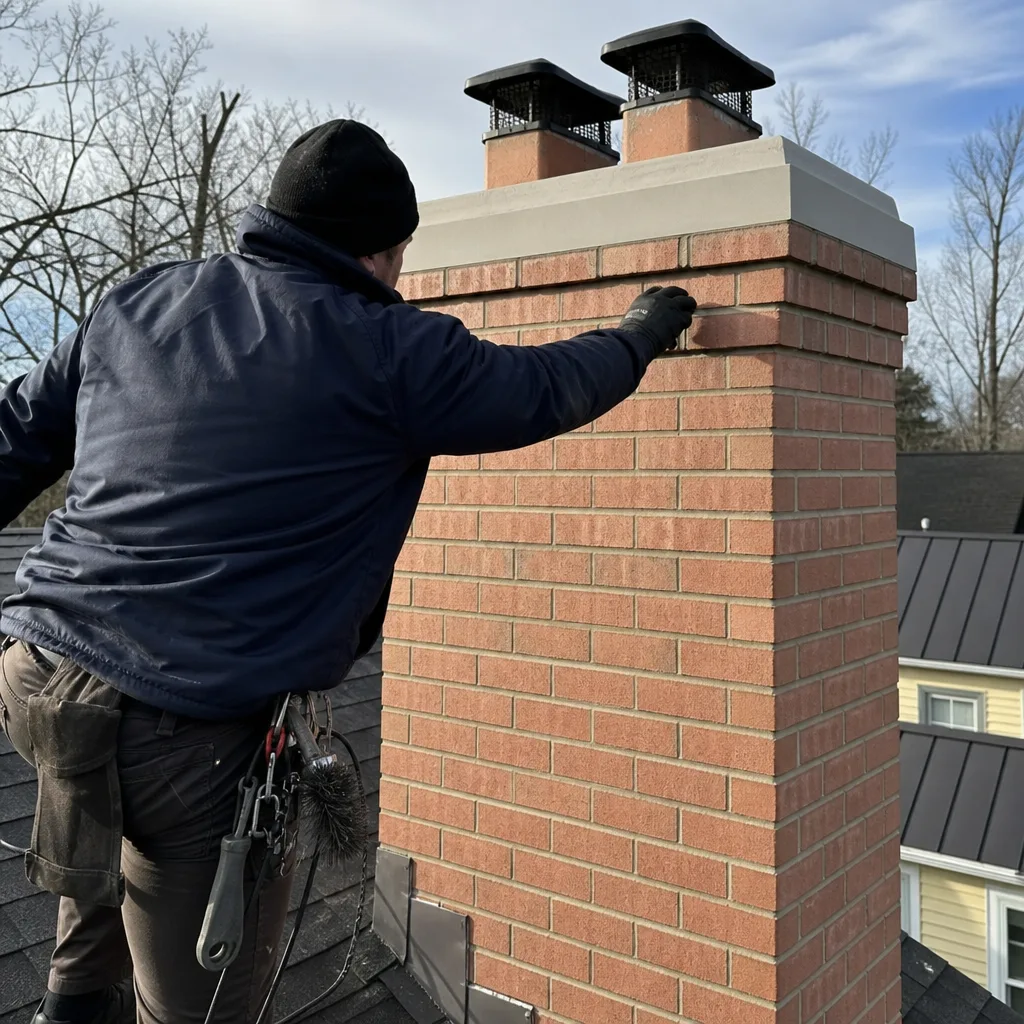 After
AfterWhy Annapolis Homeowners Choose DuraFlex Chimney Cleaning
We provide Duraflex in Annapolis, including independent chimney cleaning, repair, and liner installation throughout Annapolis, MD, and we’ve worked on hundreds of these systems in homes from Eastport to Hillsmere Shores. What separates our DuraFlex work from a generic sweep is simple: our technicians can identify liner models on sight, from single-ply 316L to double-ply 316Ti, and we know exactly how Annapolis salt air changes how those liners need to be maintained. We are not authorized by or affiliated with DuraFlex, but that independence means we tell you what the liner actually needs, not what the manufacturer’s marketing calendar suggests. Call (443) 274-4231 when you want someone who knows the product line cold.
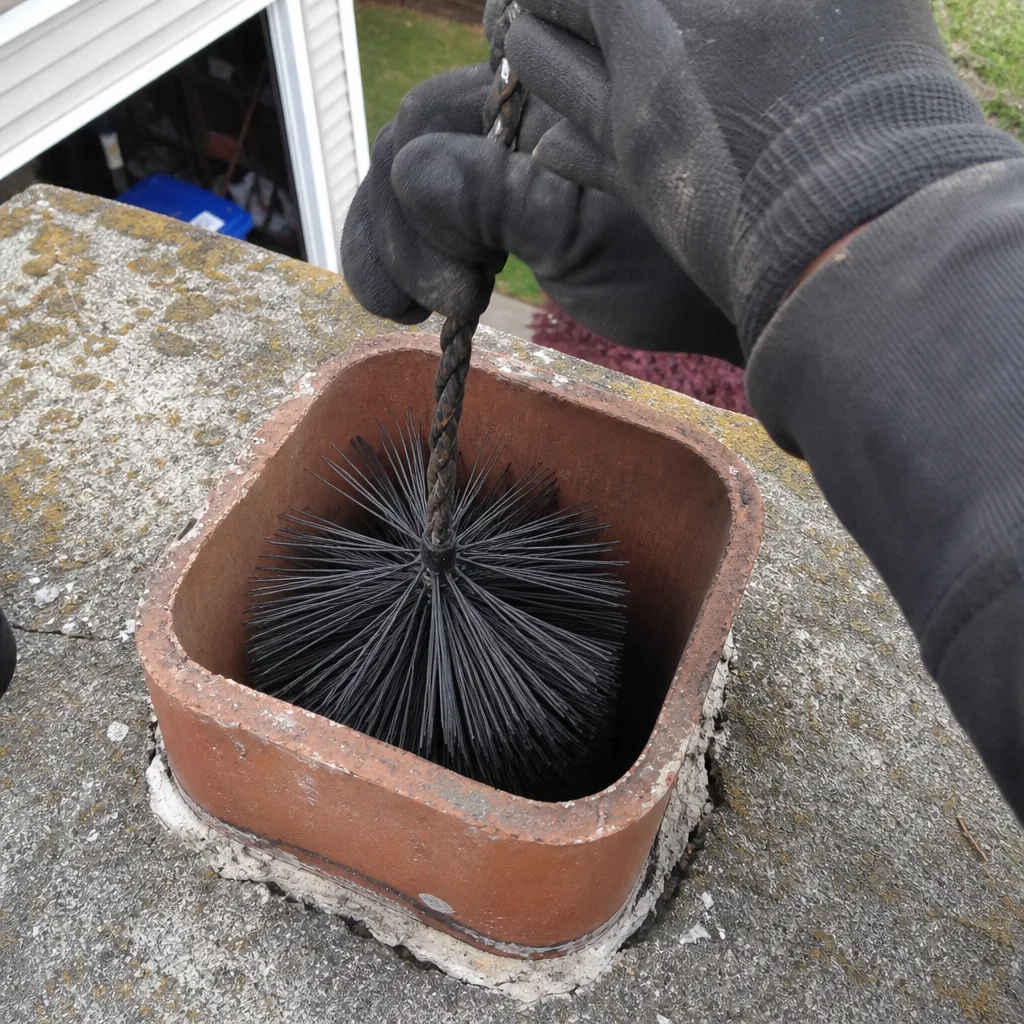
Here’s what matters most if you own a DuraFlex liner in Annapolis: the Chesapeake Bay salt air is aggressive, and it changes your Chimney Cleaning & Sweep schedule. We’ll get into that below. Corrine Halstead, owner of Level Two Chimney Annapolis, has built our DuraFlex service practice around a camera-first standard that’s been running since 2009, before most companies even offered photo documentation. The camera doesn’t guess. Neither do we.
Why Trust Level Two Chimney Annapolis for Your DuraFlex Chimney Cleaning?
DuraFlex liners are specific products with specific failure modes, and treating them like any other flue tile is how expensive mistakes get made. Our technicians work with DuraFlex 316L, 316Ti, AL 29-4C, and Pro series liners regularly in Annapolis, and they know what each one does under heat, salt exposure, and years of wood smoke. That familiarity means we don’t over-clean a liner that doesn’t need it, and we don’t under-diagnose one that’s quietly corroding behind the masonry.
Corrine Halstead picked up her first wire brush in a vocational program through LaGuardia Community College before deciding chimneys were worth a career. More than a decade later, she runs every Annapolis job the same way: camera down the flue first, findings written down, price stated before a single tool comes off the truck. Her crew has cleaned and inspected DuraFlex systems throughout Annapolis, including older wood-burning units in Eastport waterfront homes where salt air and irregular use make Duraflex service in Arnold and annual service less optional than most homeowners assume. She gives customers the inspection photos whether the job turns out simple or complicated, because she thinks people deserve to see what they paid someone to look at.
Every DuraFlex service we perform in Annapolis follows the Haven Standard. That means a written price before work starts (Clause 1), a background-checked, uniformed technician with license information on the page (Clause 3), and a documented photo record on every visit (Clause 4). If the work isn’t done right, the 365-Day Done Right Promise means we make it right. No fine print beyond that sentence.
Common DuraFlex Chimney Cleaning Problems We Fix in Annapolis
These are the issues we see most often when we put a camera down a DuraFlex liner in Annapolis. Not every problem is common in every market, but our waterfront and near-waterfront exposure concentrates these failures.
- Corrosion pitting on 316L single-ply liners near the Chesapeake Bay. The 316L alloy resists most wood-smoke acids well, but Annapolis marine air carries chloride that settles on metal surfaces and accelerates pitting, especially on liners that serve fireplaces used only seasonally. A liner on Back Creek or Spa Creek can show visible surface pitting within five to seven years. The camera catches this early, and early means a cleaning and monitoring plan rather than a full replacement.
- Creosote bridging at the corrugated ridges of single-ply liners after wood burning. Single-ply DuraFlex liners have a spiral corrugation that gives them flexibility during installation, but those ridges also catch creosote deposits. In Annapolis, where many homes burn oak and hickory that produce dense smoke, Class II and Class III creosote can bridge between ridges and restrict draft within one burning season. This is not a liner defect; it’s a cleaning-frequency reality, and one we address with mechanical cleaning and a camera re-scan afterward.
- Seam separation at the welded seam of 316Ti liners after repeated thermal cycling. The 316Ti double-ply liner uses a titanium-stabilized alloy that handles higher temperatures than 316L, but the welded longitudinal seam remains the stress point. After years of heating and cooling cycles, particularly in fireplaces used heavily from October through March, that seam can begin to separate. We’ve pulled 316Ti liners from Annapolis chimneys where the seam failed halfway up the flue, often after a chimney fire the homeowner didn’t know they’d had.
- Warping and buckling of AL 29-4C liners in high-efficiency gas applications. The AL 29-4C liner is a ferritic stainless alloy built for gas appliance venting, specifically where condensate and flue gas acids are present. But when it’s installed without proper support or exposed to temperatures beyond its rating, it warps. We see this in Annapolis homes where a high-efficiency gas fireplace was retrofitted into an older masonry chimney and the liner wasn’t sized or supported correctly. Buckled liner means restricted exhaust flow, and that means carbon monoxide risk. We flag it immediately when the camera shows deformation.
- Rusted-shut dampers and corroded termination caps on waterfront properties. This isn’t the liner itself, but it’s part of every DuraFlex system. Standard galvanized caps simply don’t hold up on Eastport or the streets around City Dock; the bay-salt air eats them in a few seasons. We routinely pull dampers that are rusted solid from chimneys that are only a decade old. Stainless or copper-capped liners are a harder sell inland but an obvious necessity here, and we recommend them on nearly every Annapolis waterfront install.
BeforeAfterDuraFlex Parts & Our Repair-vs-Replace Approach
We use genuine DuraFlex OEM components whenever they’re available, especially couplers, tees, and termination caps. Here’s why: a liner’s UL listing depends on the entire assembly, not just the liner body. Swapping in a generic aftermarket coupler because it’s cheaper can void the listing and create a failure point. We don’t do that. When DuraFlex OEM parts aren’t available quickly, we tell you what the lead time is and what a quality equivalent looks like, and we put it in writing before you decide.
On repair versus replacement, our rule is plain. If the liner walls show through-penetration or seam failure, we recommend replacement, not patching. A patch can hold for a while, but it can’t restore original structural integrity, and a liner that fails near the top of a two-story chimney is a fire and carbon monoxide hazard no patch should be asked to manage. If the issue is surface pitting, minor corrosion, or creosote buildup, cleaning and component replacement get the job done honestly. Call (443) 274-4231 if you have a written quote from another company; we offer a free second opinion on any written estimate.
Our DuraFlex Service Process - Step by Step
- 1
Level 2 camera inspection. We run a camera down the full length of the DuraFlex liner, documenting the interior wall condition, seam integrity, and any creosote classification. You see the footage when we’re done, whether the job turns out simple or complicated.
- 2
Written diagnosis and price. Before any tool comes off the truck, you get a written scope of work with a dollar figure. Clause 1 of the Haven Standard. No exceptions, no verbal estimates that drift upward later.
- 3
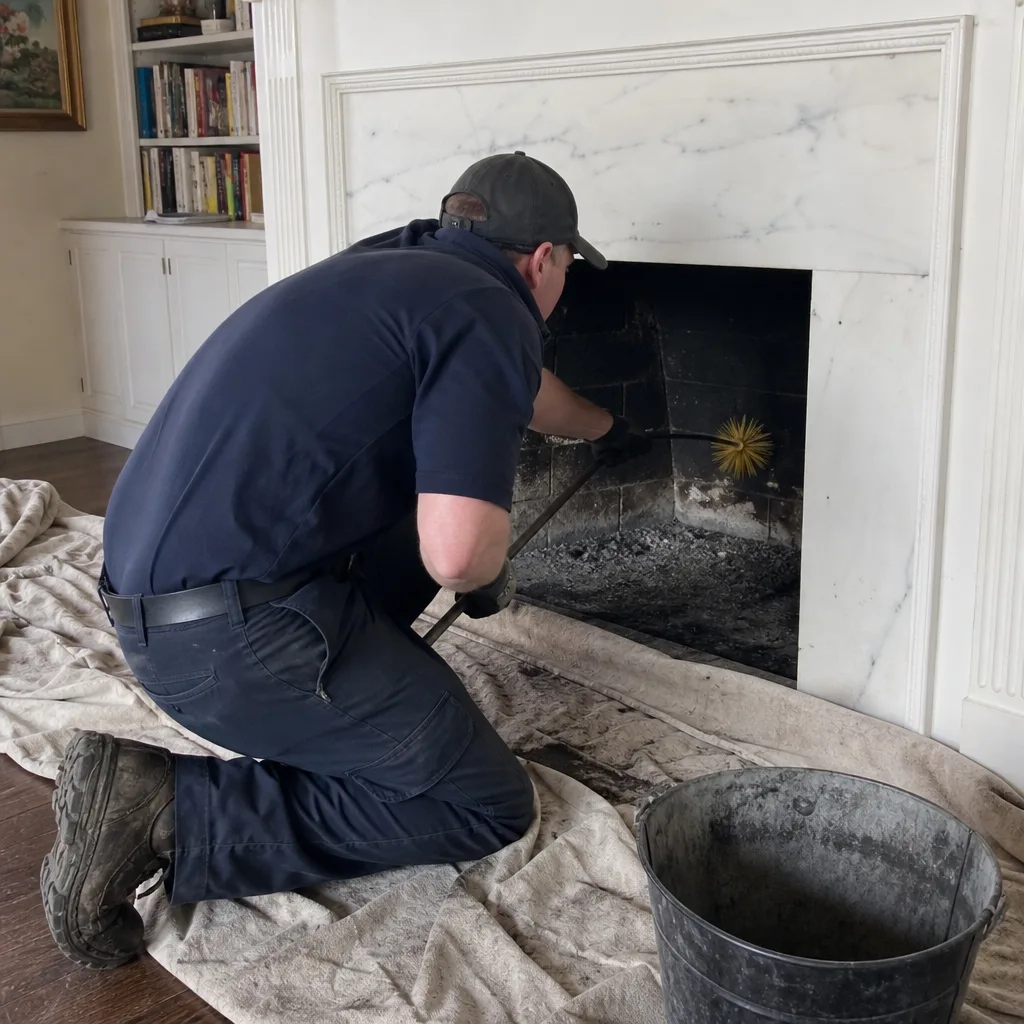
Cleaning or repair. For cleaning, we use mechanical brushes appropriate to the liner type; poly brushes for 316L and 316Ti unless the creosote is glazed, in which case we adjust. For repairs, OEM components go in, and we replace rather than patch when the liner wall is compromised.
- 4
Post-service camera scan. After cleaning or repair, we run the camera again and capture the condition. You get the before and after photos as part of the documented photo record, not as an optional add-on.
- 5
Written warranty and 365-Day Done Right Promise. The warranty is written, the scope is written, and the price was written before we started. If it’s not done right, we make it right. That’s stamped on every job.
DuraFlex Products We Service & Install in Annapolis
We service and install the full DuraFlex residential liner line: the 316L Single-Ply Flexible Liner, the 316Ti Double-Ply Flexible Liner, the AL 29-4C Single-Ply Liner for gas applications, and the Pro Double-Ply Liner. We stock common DuraFlex couplers, tees, and termination caps locally for faster turnaround, and we can order any DuraFlex component on a defined lead time when it’s not on the shelf. If you’re replacing an existing liner in a Historic District home, we’ll also walk you through what the Annapolis Historic District Commission requires for materials and period-appropriate matches before any work begins.
Our tech pulled a DuraFlex 316Ti double-ply liner from a wood-burning fireplace in a home on Spa Creek and found the seam had separated halfway up due to a prior chimney fire. We removed the liner, replaced it with a new DuraFlex Pro, and installed a custom multi-flue cap to keep rain and downdrafts out. The homeowner’s draft improved immediately, and the smoke smell disappeared.
We Also Service These Brands
DuraFlex is a liner we know thoroughly, but it’s not the only system we work on in Annapolis. We also service and install HeatShield and Gelco products, which gives us a wider view of how different liner systems perform under Chesapeake Bay conditions. If your chimney uses another manufacturer’s liner, we can tell you what you have and service it honestly. Call (443) 274-4231 with the model information if you’re not sure.
FAQs - DuraFlex Chimney Cleaning Service in Annapolis
If you burn wood more than three times a week during the heating season, or if you burn unseasoned wood, you likely need cleaning every six to eight months. The camera scan tells us definitively; we classify creosote on a scale from Class I to Class III, and Class III glazed creosote requires immediate mechanical removal because it’s a chimney fire fuel. In Annapolis specifically, salt air doesn’t increase creosote production, but it does accelerate metal deterioration that creosote can hide. Call (443) 274-4231 to schedule a camera inspection and get a written answer rather than a guess.
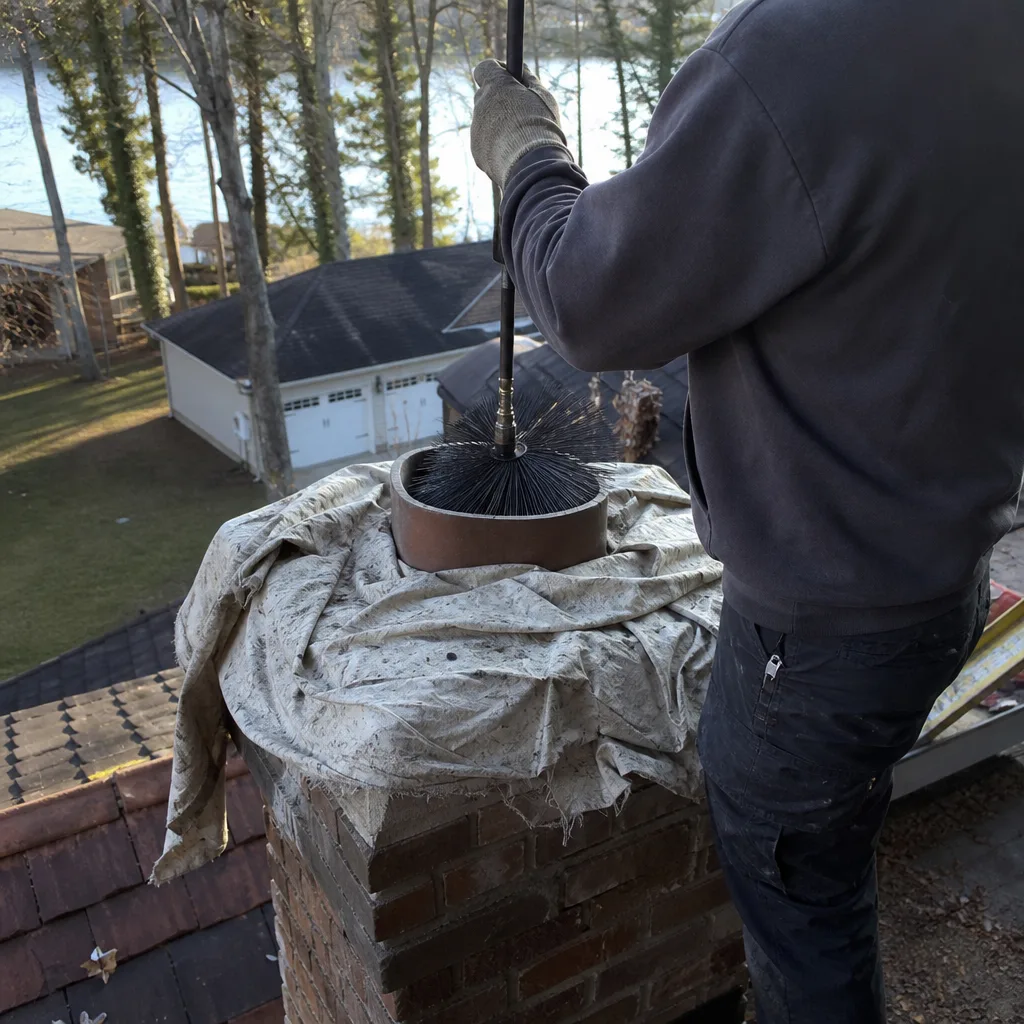
A 316L liner should be cleaned with poly brushes, not metal wire brushes. Metal brushes can scratch the liner wall and create corrosion initiation points, especially with the chloride exposure common in Annapolis marine air. We use poly brushes appropriate to the liner diameter and adjust our approach based on the creosote classification we see on the camera. If glazed creosote is present, we use methods that remove it without gouging the liner wall.
A properly sized and supported DuraFlex AL 29-4C liner typically lasts 15 to 20 years in Annapolis gas applications, but that lifespan assumes correct installation and regular inspection. The two factors that shorten it here are salt-air corrosion on exposed termination components and warping from improper support or overheating. Gas liners fail quietly, so an annual Level 2 inspection with a camera is the only way to catch a problem before it becomes a carbon monoxide risk. Call (443) 274-4231 to schedule one.
A rust streak near the bottom of a DuraFlex liner usually means condensate is pooling at the base of the flue, often because the liner wasn’t insulated or because the termination cap is allowing water entry. In Annapolis, marine air accelerates surface rust once it starts. Whether it’s repairable depends on what the camera shows: surface rust can be cleaned and the underlying cause corrected, but through-penetration or structural weakening means replacement is the safe call. We’ll show you the footage and give you a written price for either path.
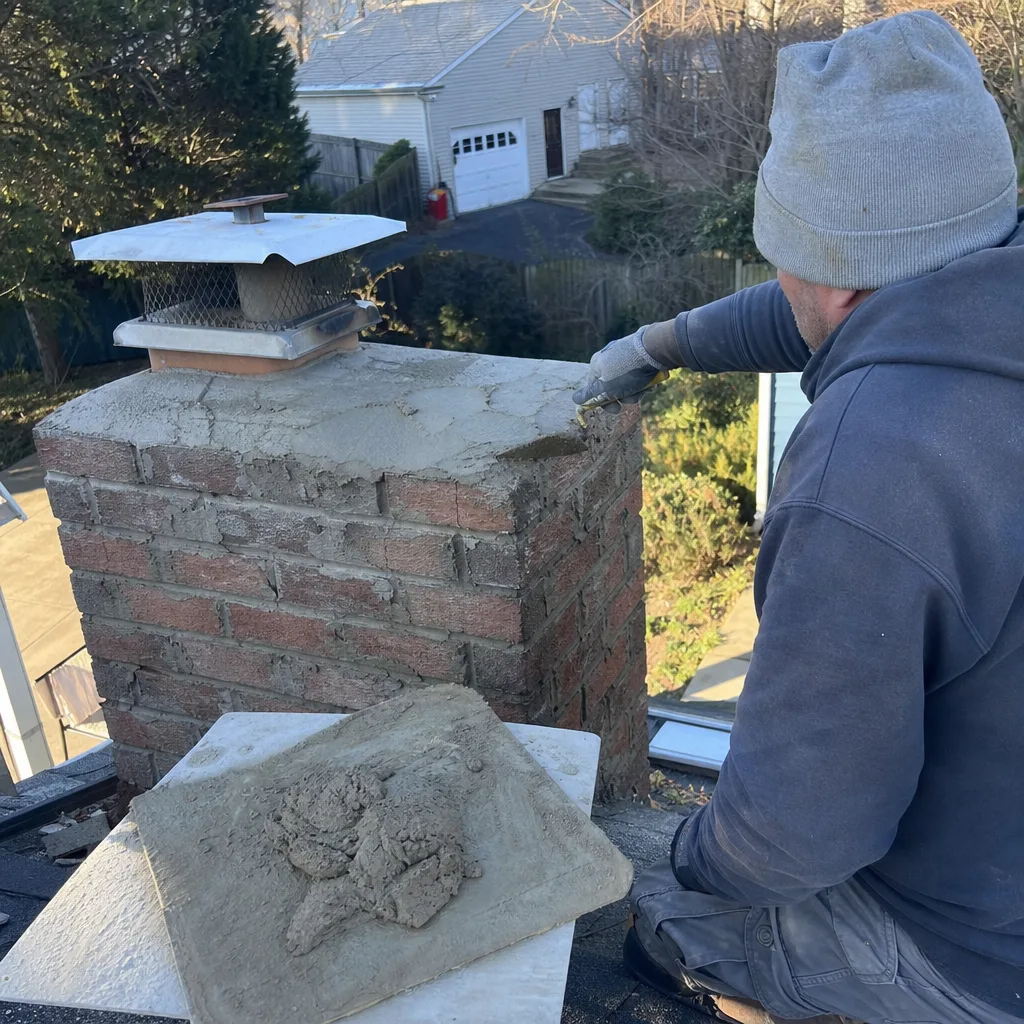
A DuraFlex multi-flue cap needs the same maintenance as any termination: removal of debris, checking for corrosion at the mounting points, and verification that the mesh spark arrestor isn’t clogged. In Annapolis, the mesh on standard caps corrodes faster near the bay, so we recommend stainless or copper caps for waterfront properties and inspect the cap as part of every Level 2 visit. A corroded cap can drop fragments into the flue, so we treat it as part of the system rather than an accessory.
DuraFlex Chimney Cleaning in Parole, MD and throughout Annapolis typically runs $189 to $329, depending on liner length, creosote classification, and whether the cap or damper needs additional work. A Level 2 camera inspection is included in that price, not billed as a separate add-on. Every job gets a written price before work starts, so you’ll never hear a different number after the tech is already in your living room. For an exact quote on your DuraFlex system, call (443) 274-4231.
Book Your DuraFlex Service in Annapolis, MD
If you own a DuraFlex liner in Annapolis, you need a chimney company that knows the product and the local conditions working against it. We do both. Call (443) 274-4231 to schedule a Level 2 camera inspection with a written price before any work begins.
Written by Corrine Halstead, Owner at Level Two Chimney Annapolis, serving Annapolis since 2009.