
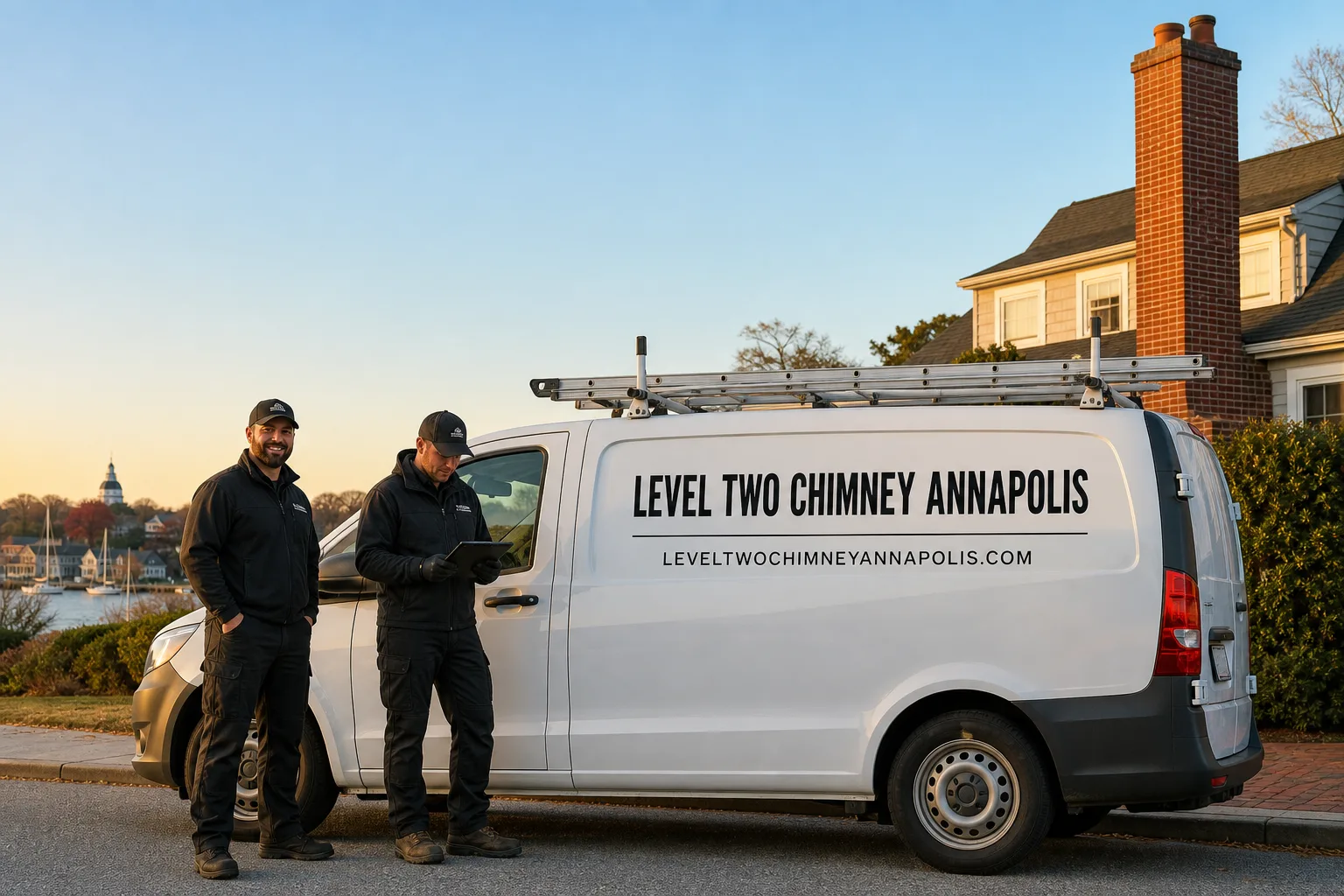
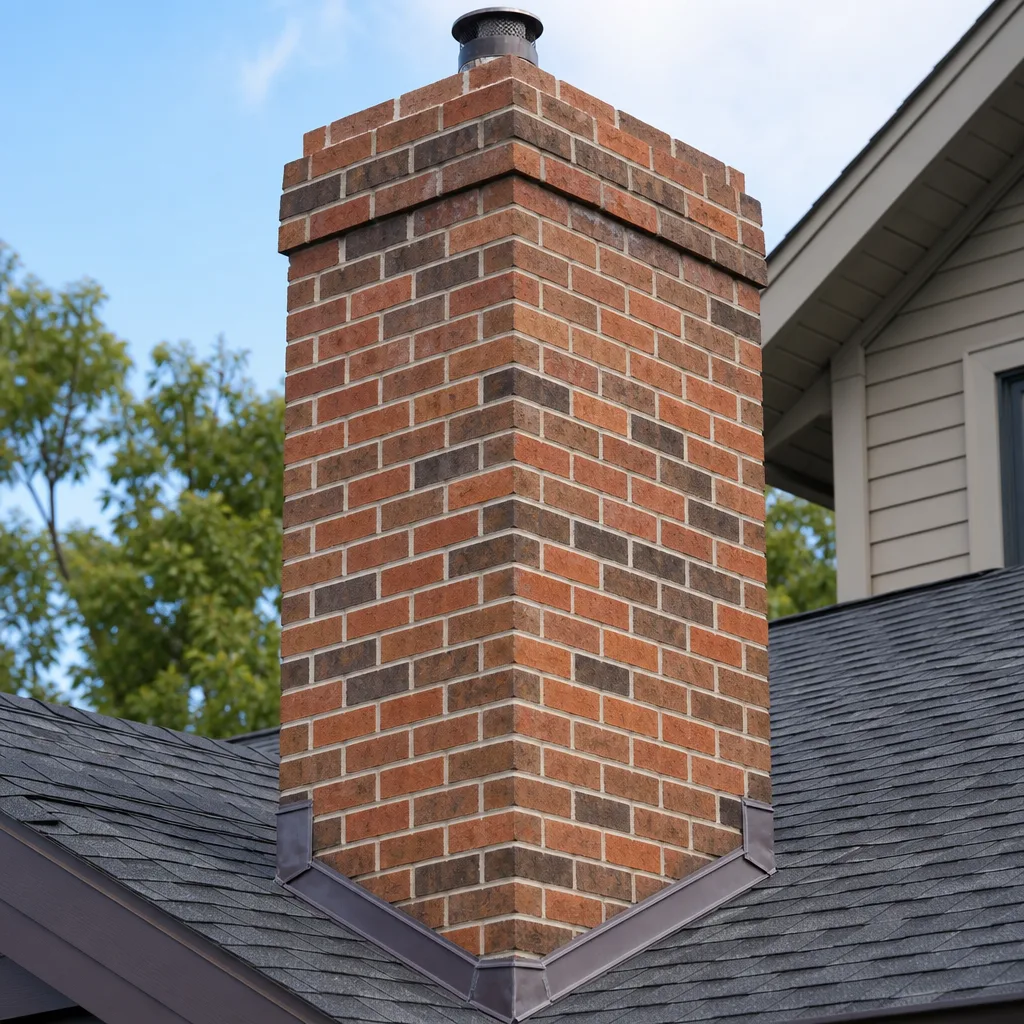
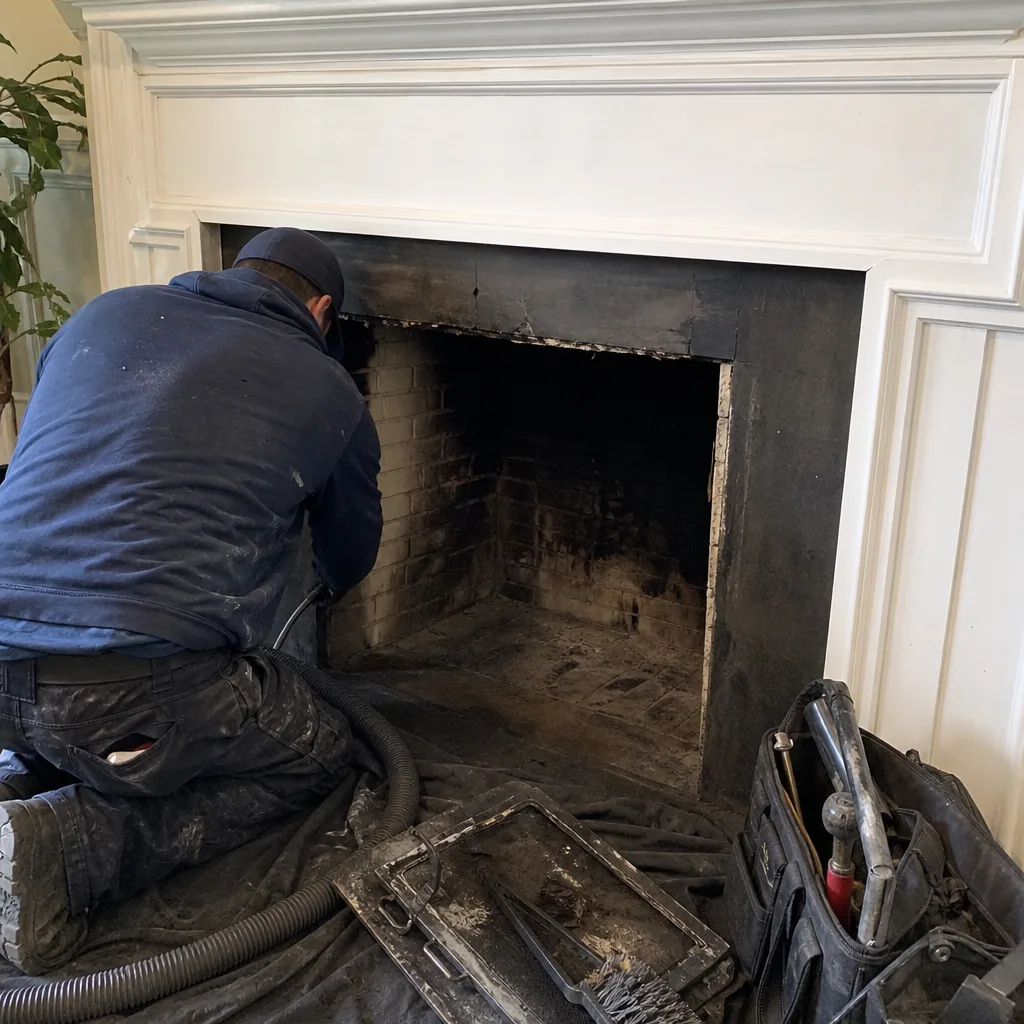
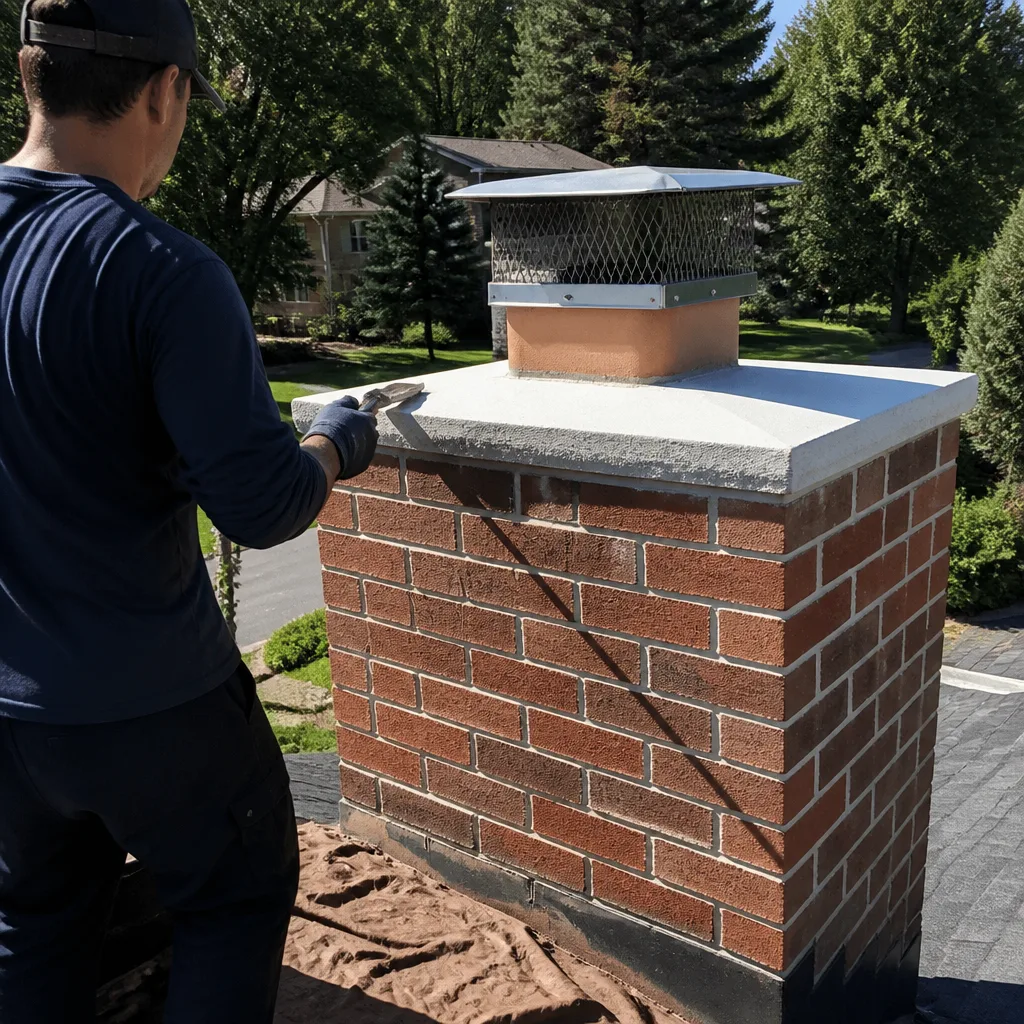
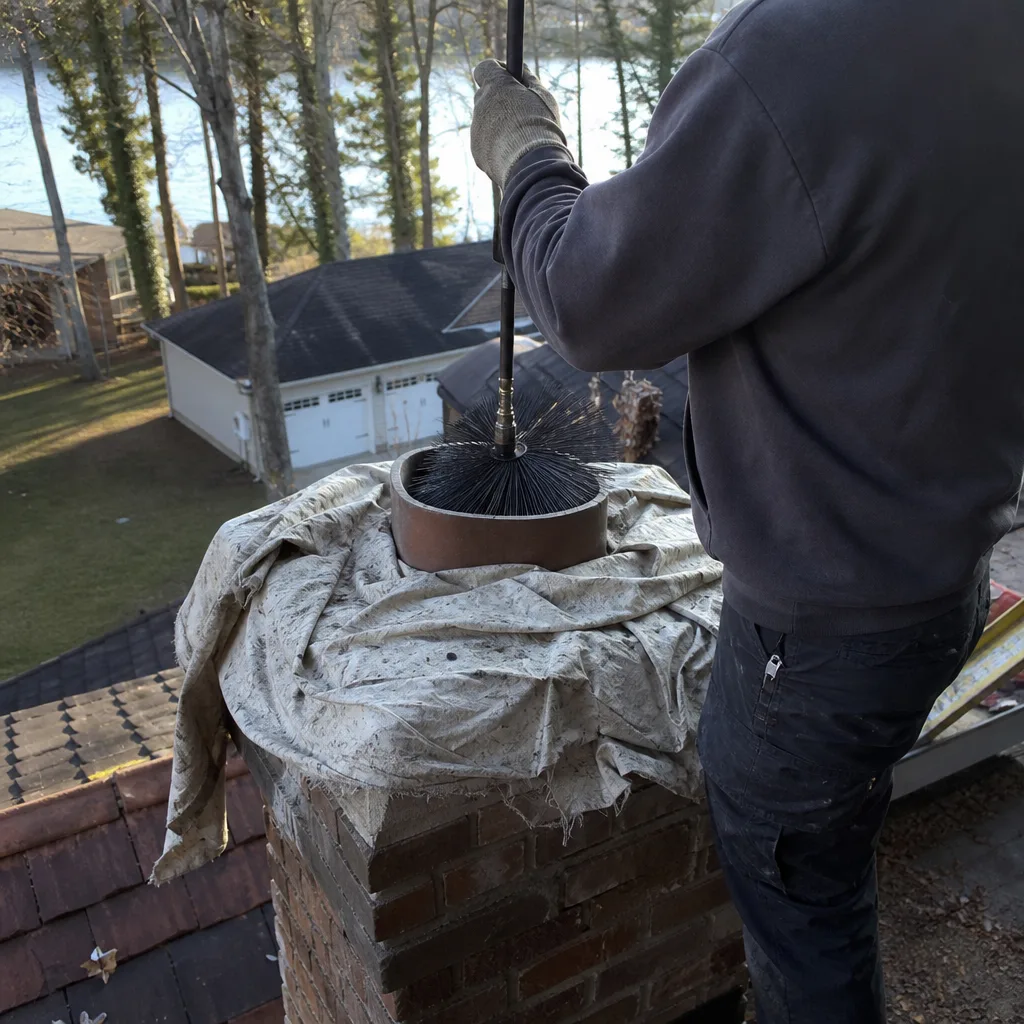
Level 1 sweep and inspection to the NFPA 211 annual standard - flue, crown, cap, and flashing checked and photographed
Chimney sweep logs do not sweep chimneys. They loosen some creosote - which then falls where a brush and vacuum still have to collect it.
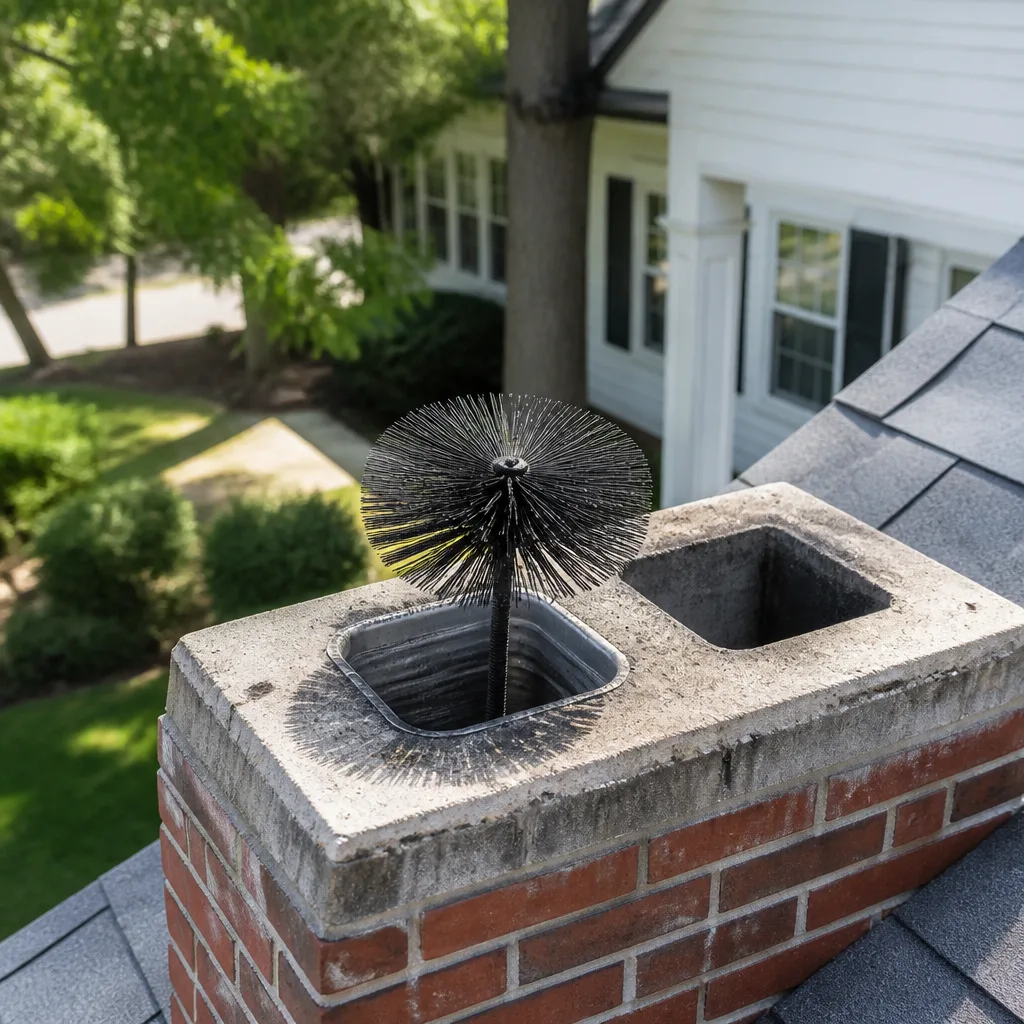
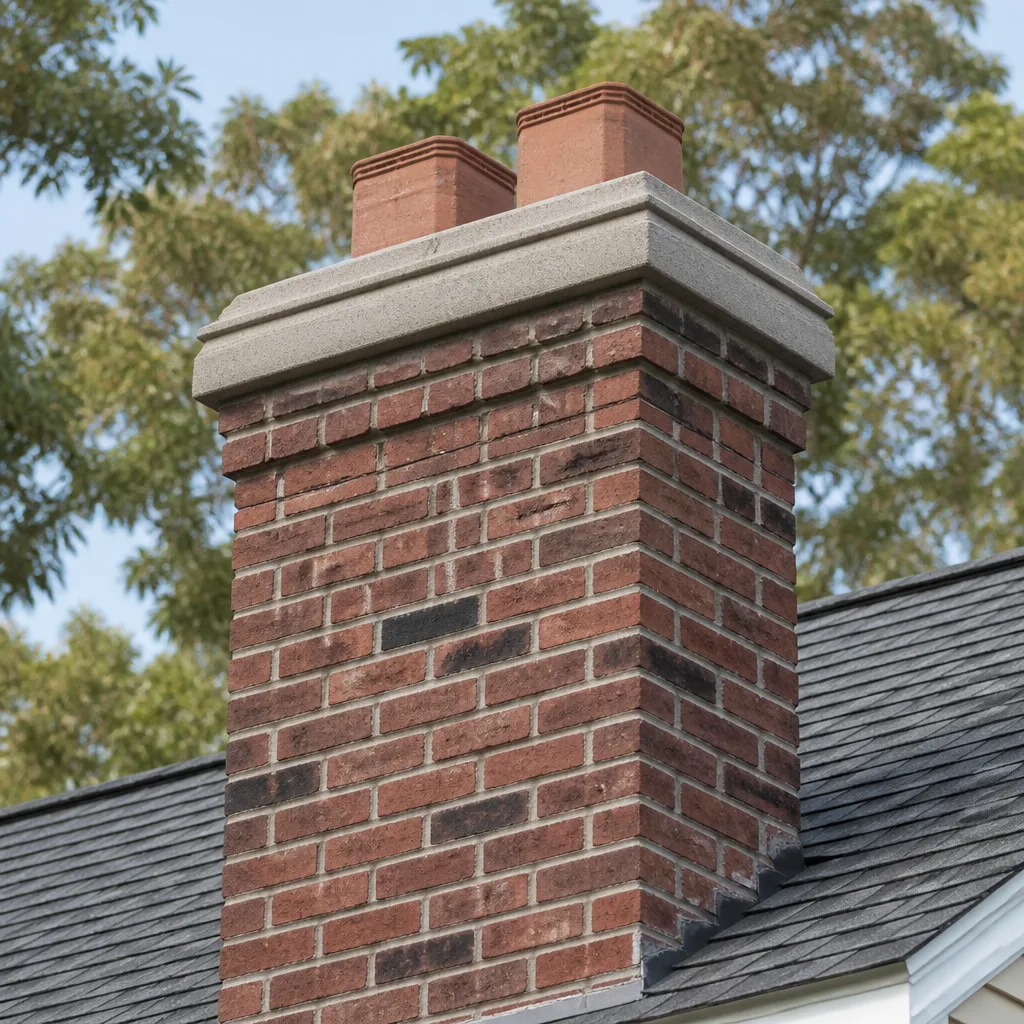
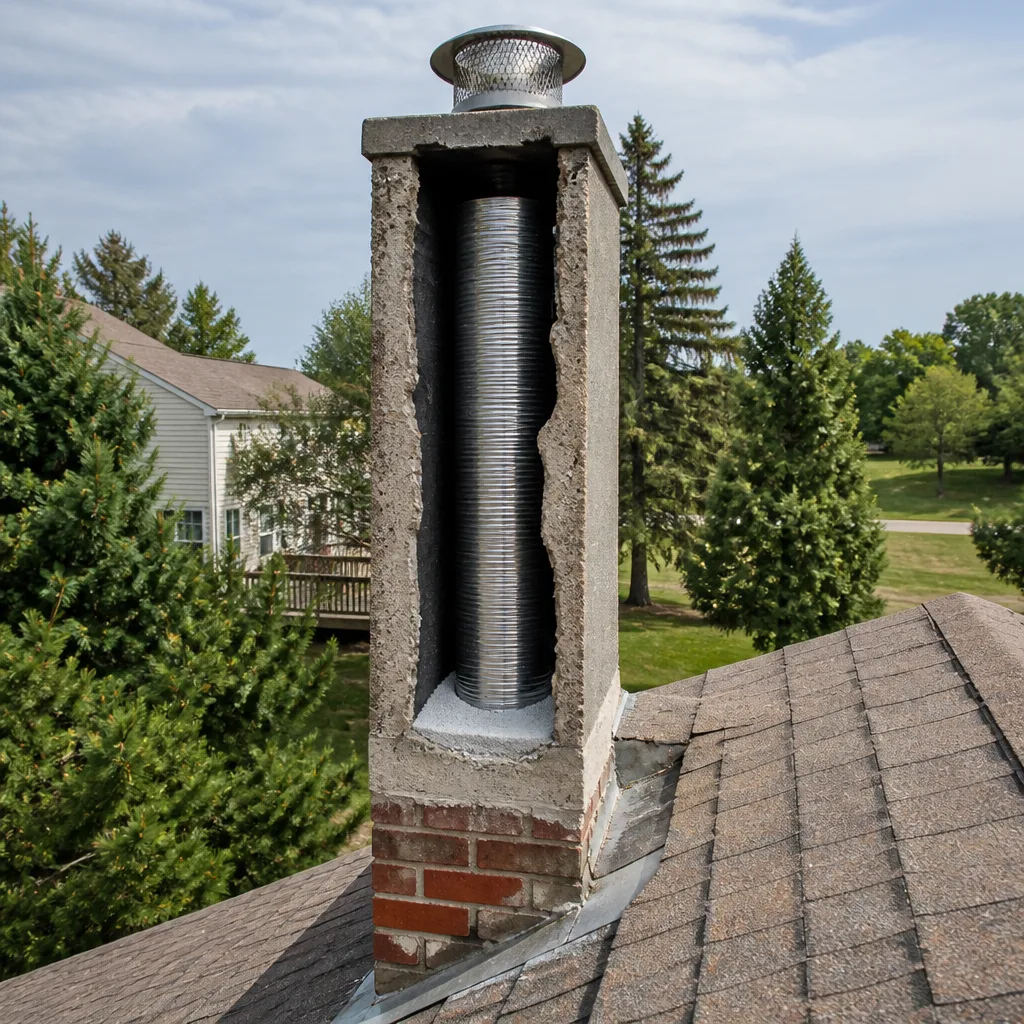
 Before
 After
After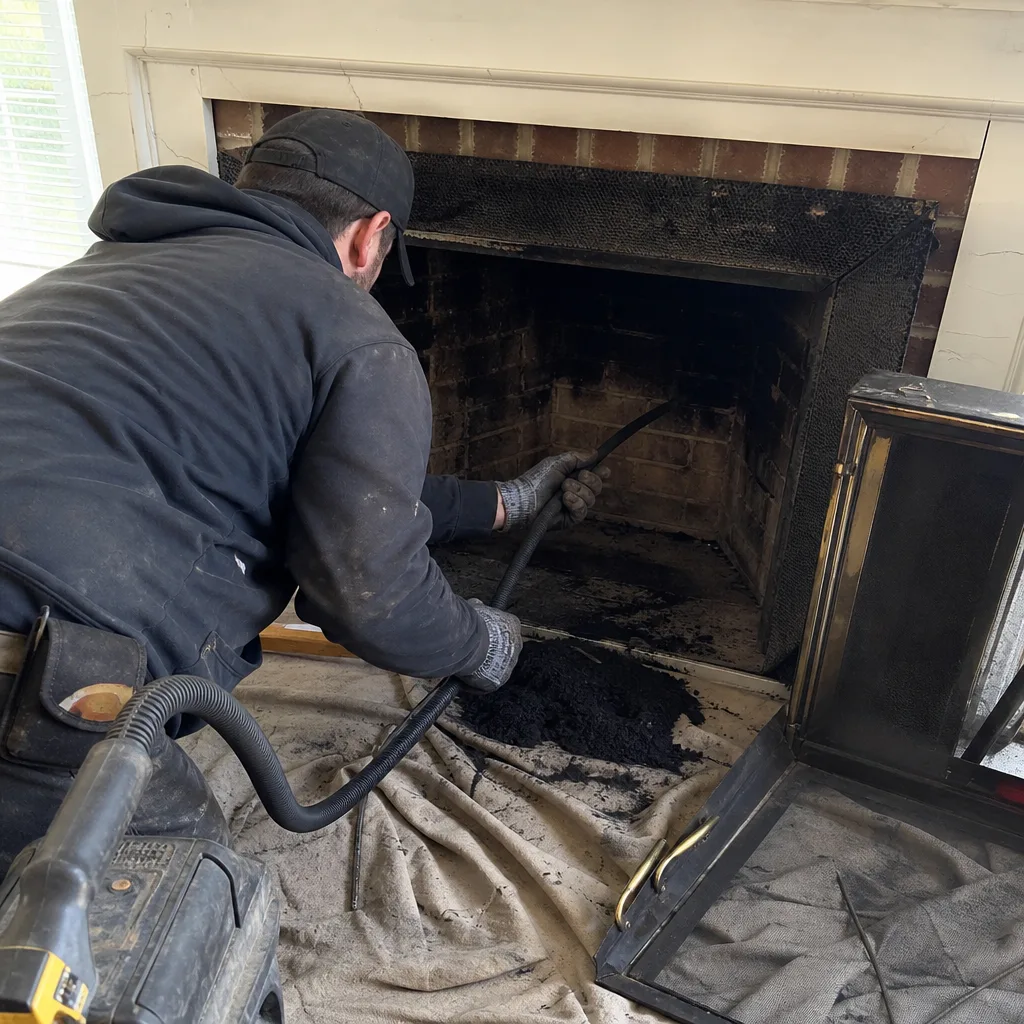 Before
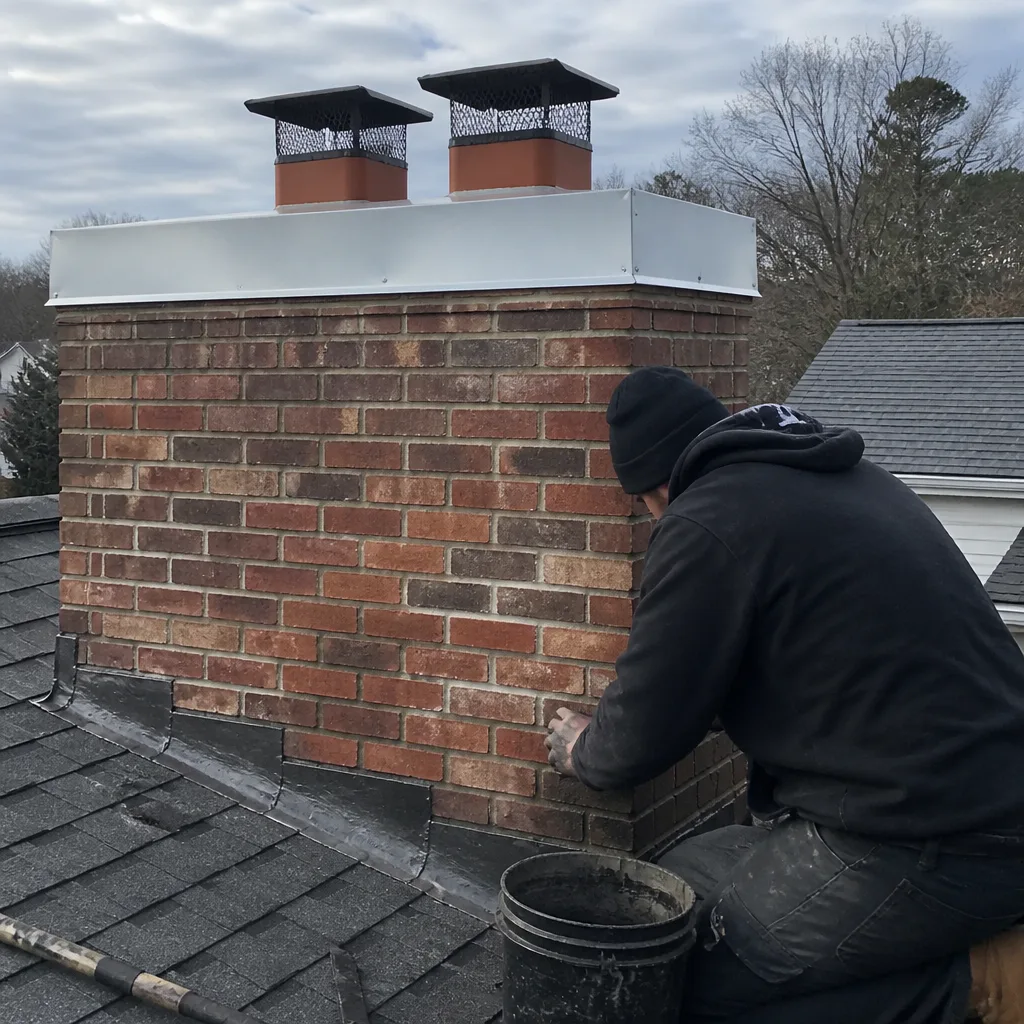 After
After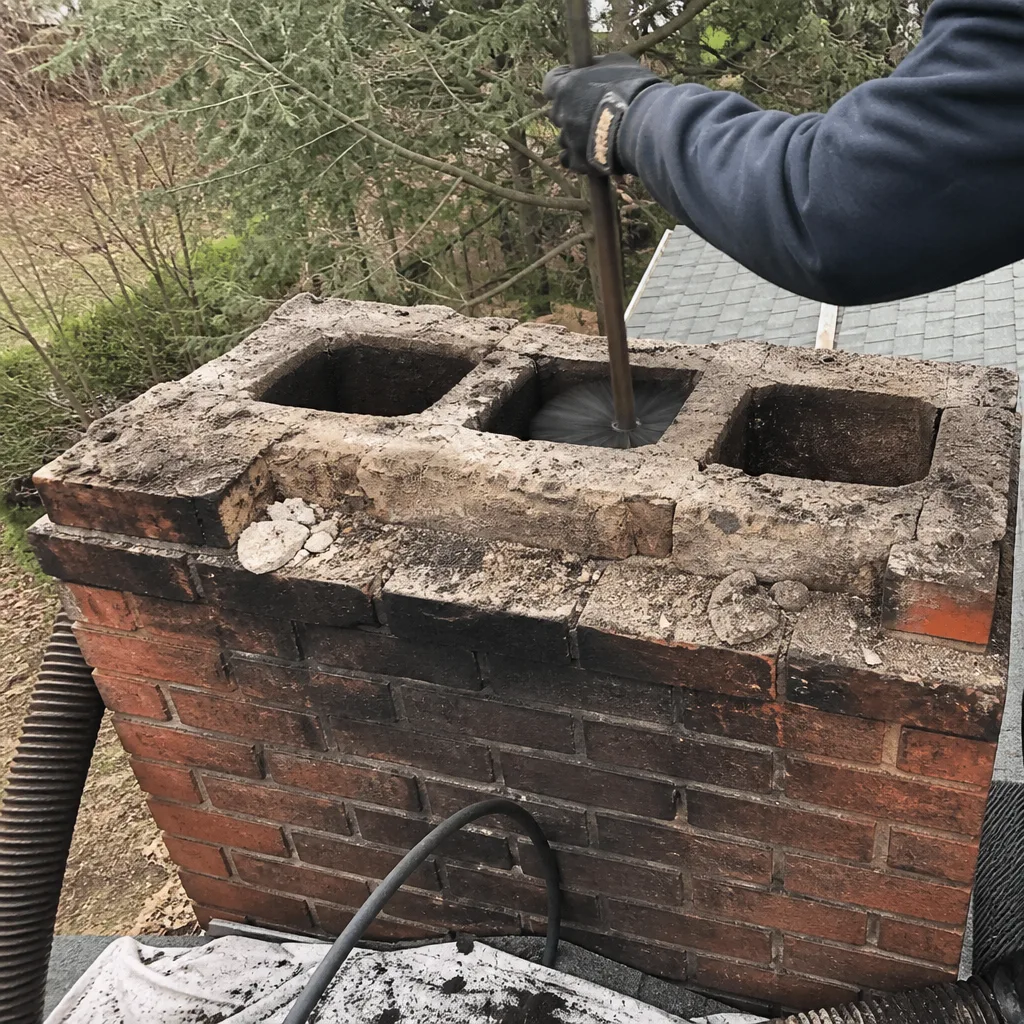 Before
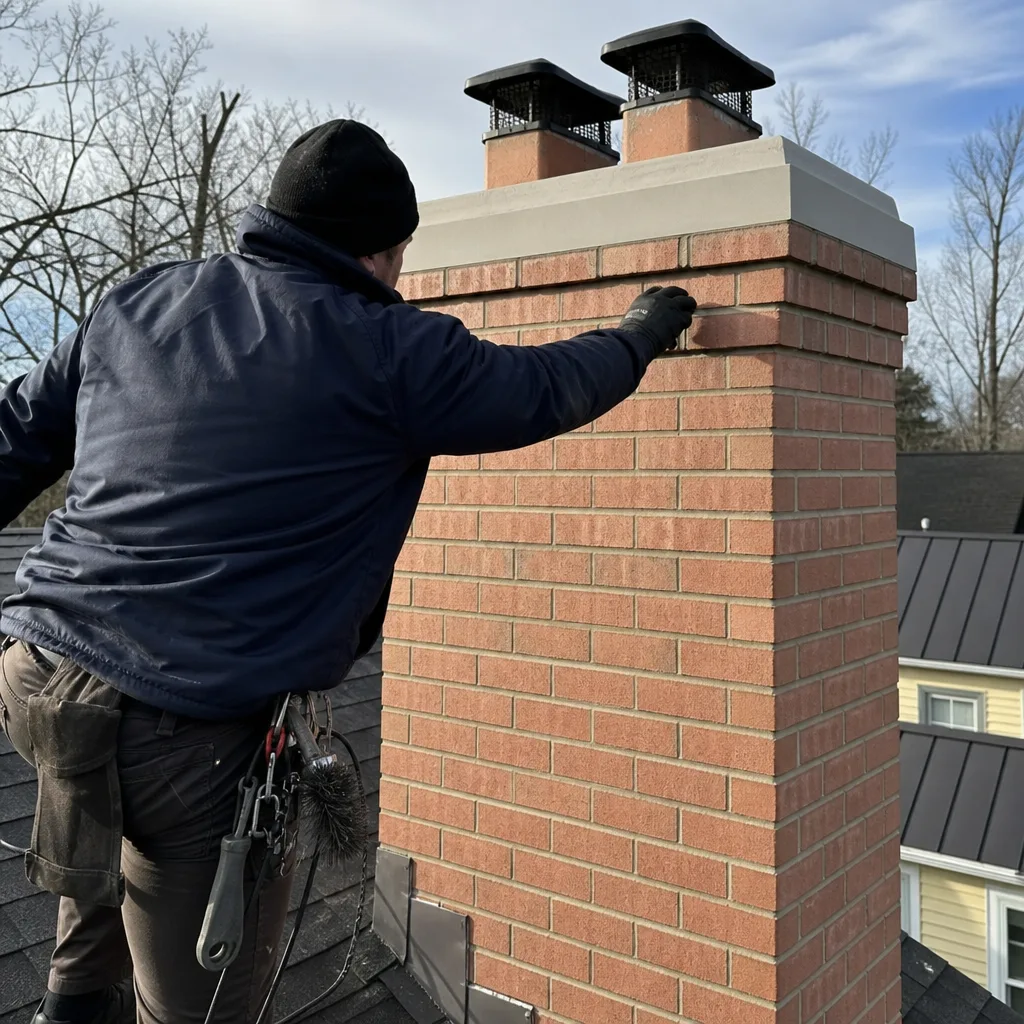 After
AfterFast, Reliable Chimney Cleaning & Sweep Across Greenbelt
A chimney sweep in Greenbelt typically runs $189-$279 for a standard cleaning with a Level 1 inspection, while a Level 2 camera inspection adds $149-$199. Most Greenbelt homes we visit are either 1937-era GHI cooperative row houses or 1960s-70s single-family builds, and each needs a different approach. We serve every section of Greenbelt, from Old Greenbelt to Greenbelt East, with crews who know the GHI approval process before they even ring the bell. Call (443) 274-4231 for a written price before anyone steps foot in your home.
Why Greenbelt Homeowners Call Level Two Chimney Annapolis
Greenbelt isn’t like neighboring College Park or Beltsville. In Old Greenbelt’s 1937 New Deal-era GHI cooperative row houses, a chimney cleaning often requires navigating the Greenbelt Homes, Inc. maintenance committee before structural repairs like relining or tuckpointing can be approved. That’s a bureaucratic step that doesn’t exist for a typical single-family homeowner across the county line. We’ve written condition reports specifically formatted for GHI committee review, with photo documentation attached, because we’ve learned a quote without camera evidence sits in a folder for weeks.
Since 2009, we’ve completed more than 38,000 chimney inspections and cleanings. Every single one included a written price before work started and a documented photo record when it was done. That’s Clause 4 of the Haven Standard, the inspection and documentation protocol our company has followed since day one. Our Chimney Cleaning & Sweep technicians are background-checked, uniformed, and assigned by name before they arrive. You’ll get a text when they’re on the way.
Greenbelt residents call us because we don’t quote repairs based on the age of the house. We quote based on what the camera shows. If your flue is clean and your mortar joints are sound, we tell you that and leave. If there’s a problem, you’ll see it on the screen with us, not just take our word for it.
Our Chimney Cleaning & Sweep Services in Greenbelt
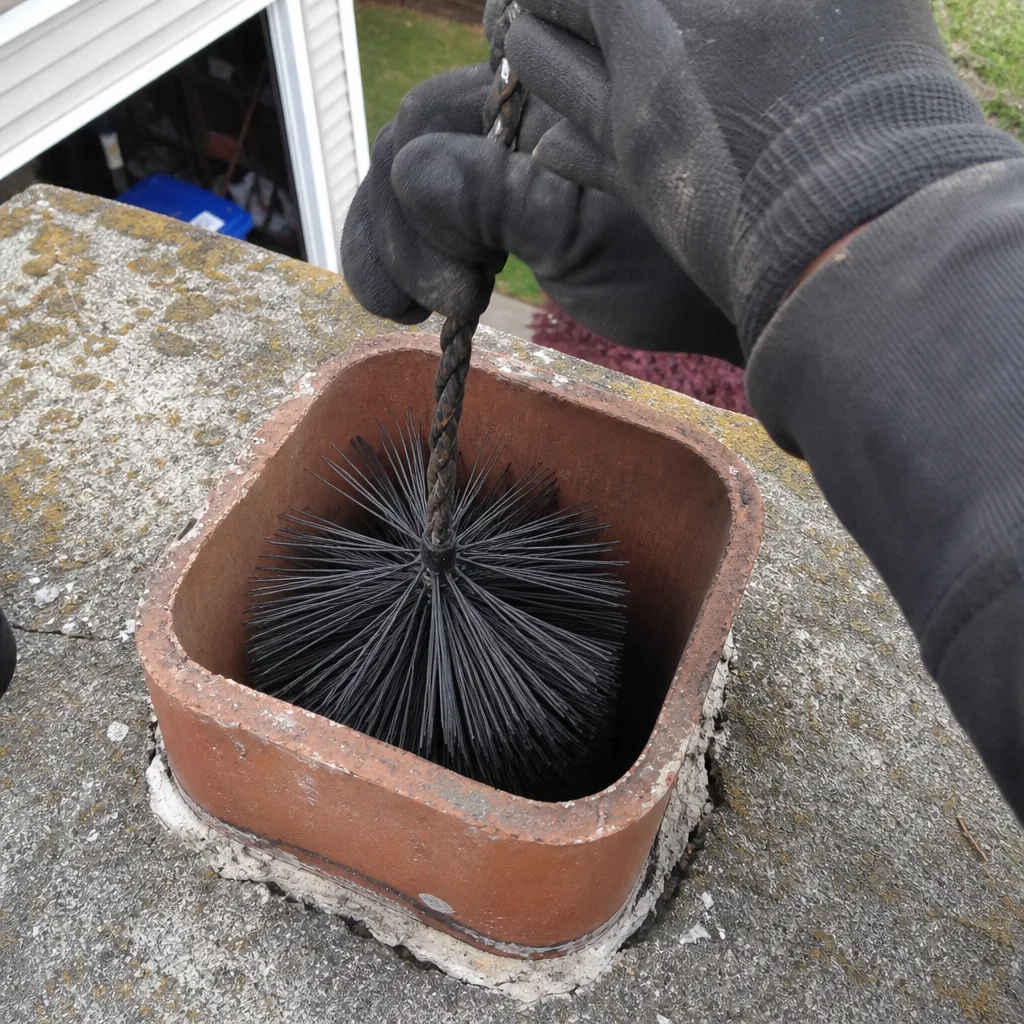
Level 1 Inspection
A Level 1 inspection is the standard check included with every sweep. We examine the accessible portions of your chimney, firebox, and flue, looking for creosote buildup, blockages, and obvious deterioration. For Greenbelt homeowners with a fireplace they use every winter, this is the baseline annual service. If you’re in a 1970s single-family home off Greenbelt Road or in Greenbelt East, this is where most routine work starts and ends.
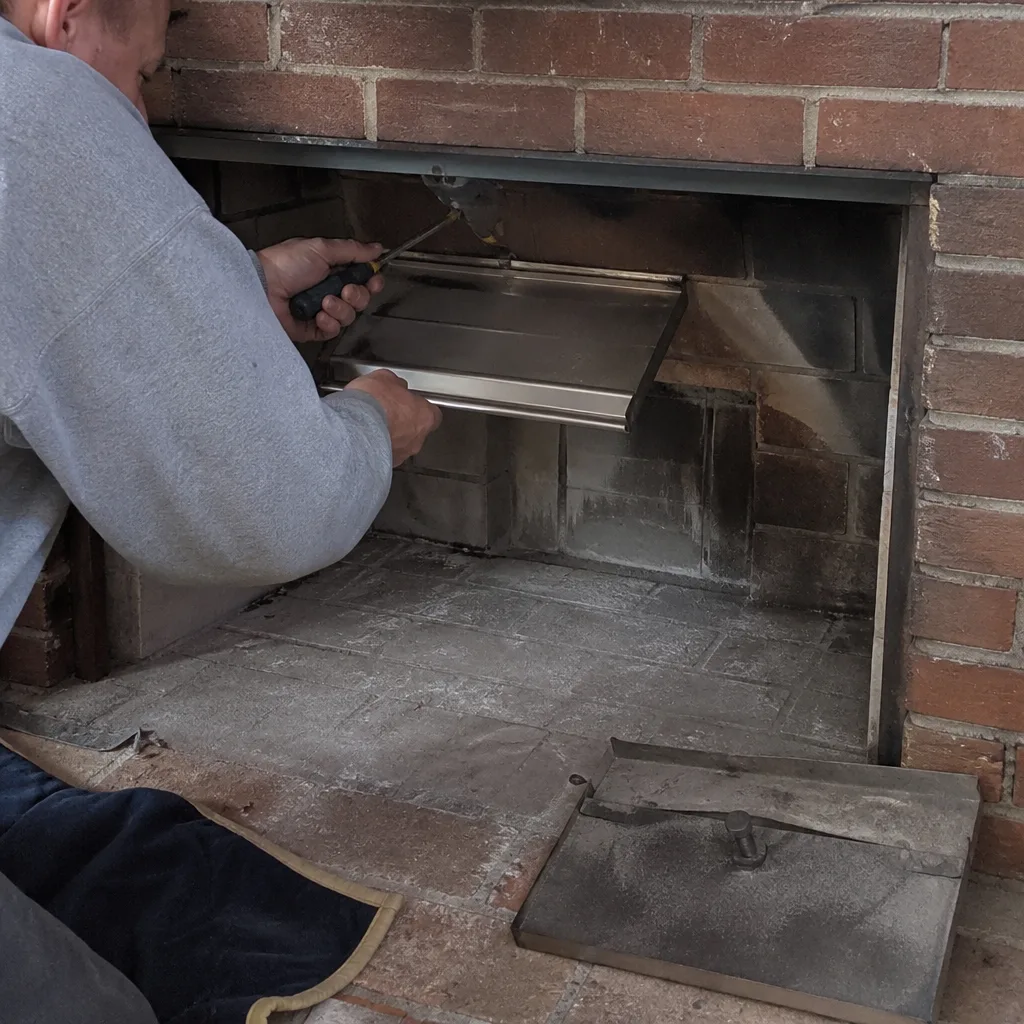
Level 2 Inspection
Level 2 is the camera inspection. We run a video scanner the full length of the flue and record what we find. This is the service that matters most in Old Greenbelt, where original terra cotta liners in 1937 row houses have endured nearly nine decades of freeze-thaw cycles. If you’re a GHI shareholder, this is also the inspection that produces the photo evidence your maintenance committee will require before authorizing repairs. We’ve never recommended a relining in Greenbelt without this footage, and we’ve told plenty of residents their flue was fine after a neighbor’s sweep quoted them $6,000 based on age alone.
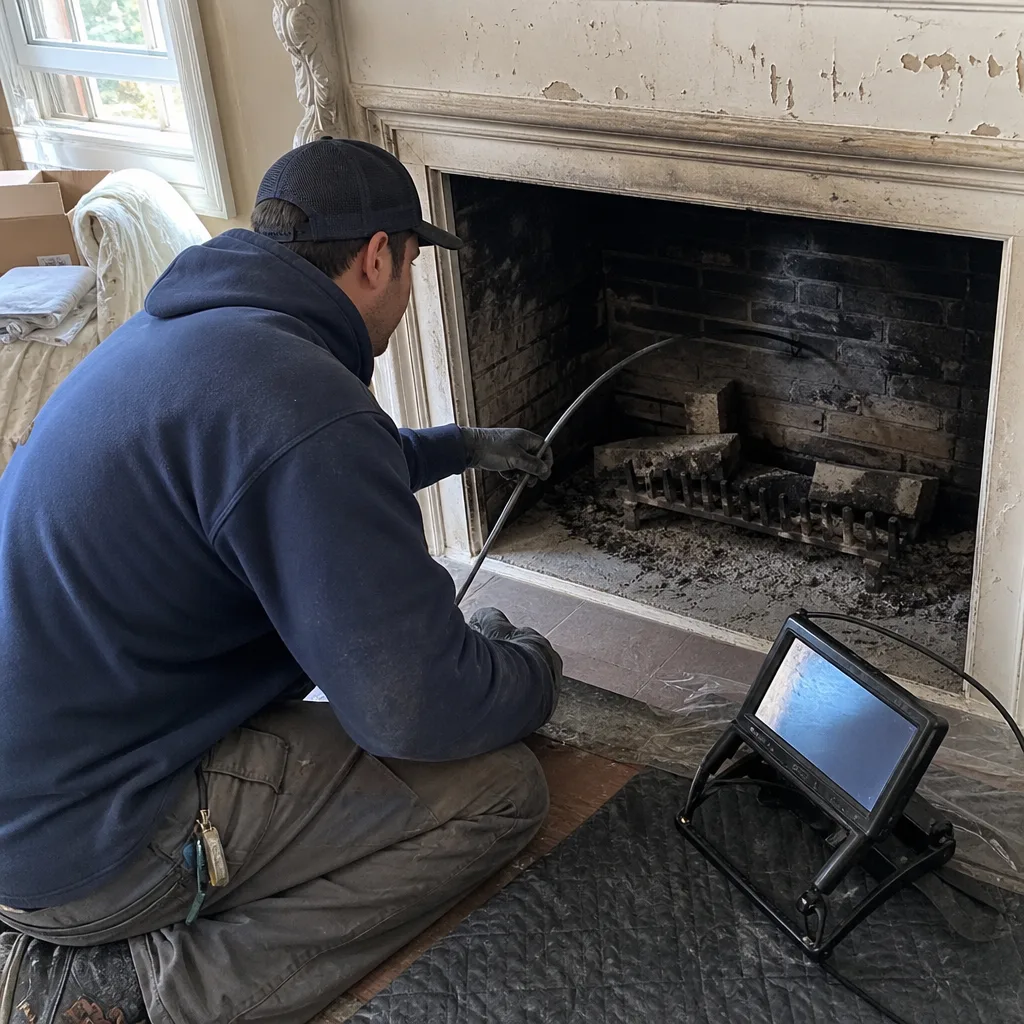
Creosote Removal
Creosote forms every time you burn wood. In Greenbelt’s older chimneys, especially unlined or clay-tile flues, it accumulates faster because the rough, deteriorated interior surface gives it something to grip. We classify creosote by degree: first-degree is flaky and brushes off, second-degree is tar-like and requires rotary tools, third-degree is a hardened glaze that often signals a flue at risk. Every cleaning includes documentation of what we removed and the condition of the flue underneath.
Soot Removal
Soot isn’t just a fireplace problem. Oil and gas heating systems vent soot through the same chimney stack in many Greenbelt homes, particularly the mid-century builds in Greenbelt West and the area around Roosevelt Center. Left unchecked, soot restricts draft, pushes carbon monoxide back into the house, and accelerates liner corrosion. A sweep removes it before it becomes a safety issue, not after the detector goes off.
What happens when you call
- 1
A real person answersNo phone trees - you reach a local pro.
- 2
You get an upfront price rangeHonest numbers before anyone is dispatched.
- 3
A background-checked tech heads outLicensed & insured, dispatched right away.
- 4
You approve before work beginsNothing starts until you say go.
BeforeAfterTrusted Brands We Service in Greenbelt
When a Greenbelt job calls for a new liner or cap, we install materials from DuraFlex, Gelco, and Olympia Chimney. These aren’t brands we picked from a catalog at random. We source them through the Haven buying network specifically because they hold up to Mid-Atlantic weather and because their manufacturing tolerances mean a liner fits right the first time. For Greenbelt customers, that means we’re not waiting on a second shipment when a relining is already scheduled around a GHI committee vote. We know the approval timeline. We build the work schedule around it.
Common Chimney Problems We See in Greenbelt Homes
- Spalled terra cotta liners in Old Greenbelt: The 1937 GHI row houses were built with clay flue tiles that crack and flake after 80-plus winters. We routinely find pieces of liner in the smoke chamber. Left alone, the gap exposes brick to heat and creosote, which is how chimney fires start.
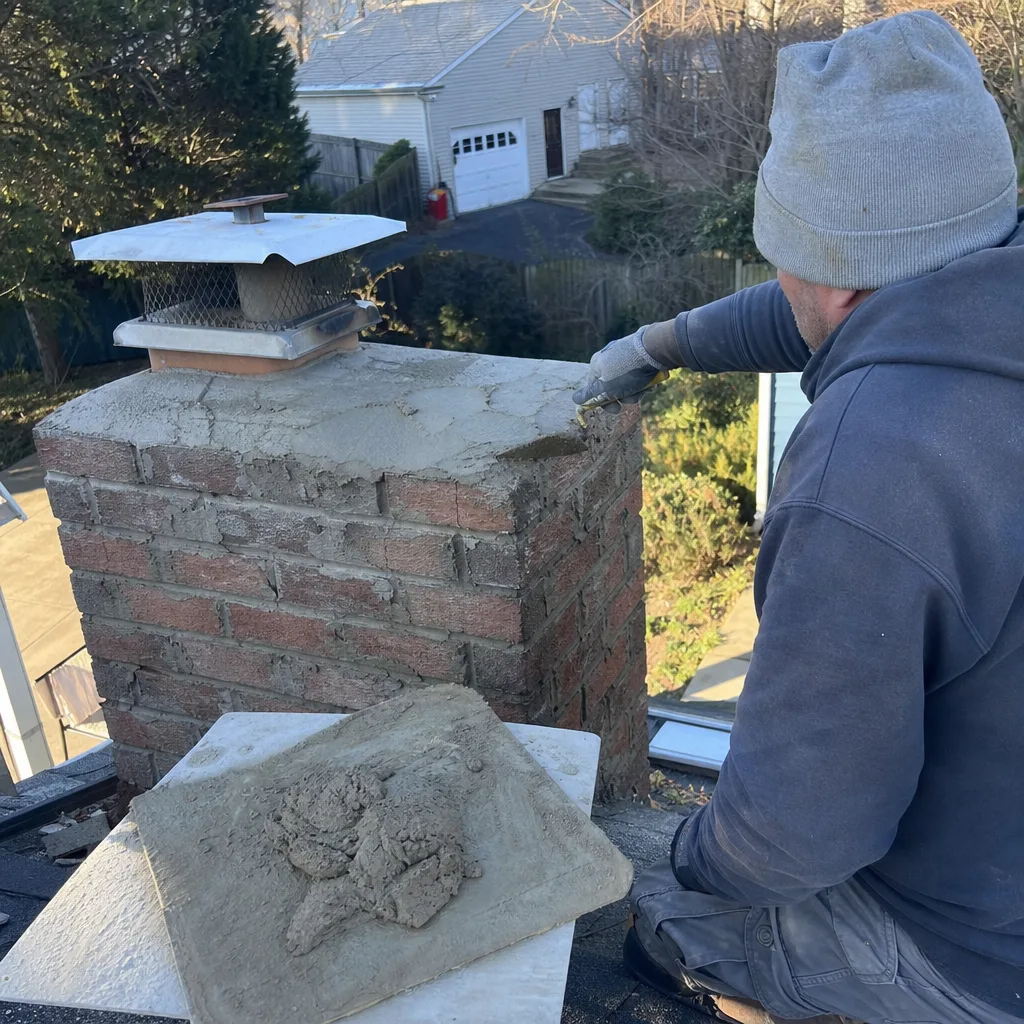
- Deteriorated mortar joints in exposed brick: Greenbelt’s freeze-thaw cycles, several per season, work water into mortar joints and pop them loose. In the historic district, this shows up as spalling brick faces and gaps between flue tile sections. Tuckpointing is a repair, not a cleaning, but a sweep reveals the problem before it spreads.
- Nesting squirrels and chimney swifts: The city’s preserved forest canopy means mature oaks and maples overtop many Greenbelt chimneys. Leaf debris is routine. Nests are common. A standard sweep without removing an animal or nest first just compacts the blockage and creates a fire hazard.
- Prefab fireplace inserts treated like masonry: Greenbelt East has a different housing stock than Old Greenbelt, and many homes there have prefabricated metal flue systems. The cleaning tools and inspection methods are not the same as a masonry chimney. We see damage from previous sweeps that used wire brushes on metal flue walls.
Pricing for Chimney Cleaning & Sweep in Greenbelt, MD
A standard sweep with Level 1 inspection in Greenbelt runs $189-$279, depending on flue height, creosote class, and whether animal removal is needed before cleaning can start. A Level 2 camera inspection adds $149-$199. Expect added cost if we find a nest or if your fireplace hasn’t been cleaned in three or more years. Third-degree creosote removal starts at $349 and goes up based on footage and accessibility. Relining with DuraFlex in Greenbelt typically falls between $2,800-$5,400 depending on flue dimensions and the condition of the existing masonry. We write every price down before work begins. That’s not a courtesy; it’s Haven Standard Clause 1, and it means the number you approve is the number you pay. Call (443) 274-4231 for a quoted price over the phone and a firm written estimate before scheduling.
Free second opinion. Bring us any written estimate from another chimney company and we’ll review it against a camera inspection of your flue. If the work isn’t needed, we’ll tell you and show you the footage.
We Also Serve Cities Near Greenbelt
Our crews cover Greenbelt and the surrounding Prince George’s and Anne Arundel communities. We schedule regular routes through Greenbelt, Laurel, Bowie, Crofton, and Odenton. If you’re in one of these areas and need a sweep, the same written-pricing policy and Level 2 camera standard apply. Dispatch is coordinated from the brand’s Washington, DC office; the crew on your job works Greenbelt locally.
Serving Greenbelt, MD - Our Local Coverage Area
We’re based in the Greenbelt area and know this community well. Use the map below to see our service coverage - if you’re nearby, we can almost certainly help.
FAQs - Chimney Cleaning & Sweep in Greenbelt
GHI’s maintenance committee generally requires photographic evidence of deterioration before authorizing structural or exterior work. A Level 2 camera inspection provides exactly that: video and still images of the flue interior showing cracks, spalling, or gaps in the liner. We format the condition report for committee review, with the relevant photos labeled and the scope of recommended work written in plain terms. It’s the difference between a quote that gets voted on and one that gets tabled. Call (443) 274-4231 and we’ll walk you through what the committee typically asks for.
It depends on the extent of the cracking, and you won’t know that without a camera inspection. Hairline cracks in a single tile section may be safe to monitor. Multiple fractured or displaced sections mean the flue is no longer containing heat and creosote, and that’s a relining. We never recommend a relining based on age alone. You’ll see the footage; we’ll explain what it means. If a relining is necessary, we install DuraFlex liners and provide written documentation for your GHI maintenance committee. Estimates are free, and the number is on paper before you decide anything.
Annually if you burn wood, every two years at minimum if you only use the fireplace occasionally. The original clay liners in Old Greenbelt’s row houses are past their design life by decades, and problems don’t announce themselves. A spalled liner piece can shift from one season to the next. Annual inspection with a camera catches deterioration while it’s still a repair, not a rebuild. Call (443) 274-4231 to book a Level 2 inspection and get the footage yourself.
No. Prefabricated metal flue systems require different tools and techniques than masonry chimneys. Wire brushes meant for terra cotta can score a metal flue wall, creating a rough surface that collects creosote faster and accelerates corrosion. The inspection also differs: we’re checking the condition of the metal sections, the joints, and the chase top, not the mortar. Most Greenbelt East inserts fall under the manufacturer’s UL listing, which specifies how they should be maintained. We service them accordingly. Call (443) 274-4231 and mention you have a prefab system; we’ll bring the right equipment.
Third-degree creosote is a hardened, tar-like glaze that bonds to the flue wall. We can remove it with rotary tools in many cases, but the underlying question is what the flue looks like underneath. If the glaze has fused to spalled brick, as we’ve seen on Ridge Road in Old Greenbelt, cleaning alone isn’t enough. You need the liner condition documented. Our techs cleaned a chimney in that exact scenario: original terra cotta had spalled so badly that third-degree creosote fused to the exposed brick. The Level 2 camera inspection documented it, the GHI maintenance committee authorized a DuraFlex relining based on that evidence, and the fireplace was safe to use again. The glaze is a symptom. We treat the flue, not just the symptom. Call (443) 274-4231 for an inspection that shows you what we’re seeing.
Written by Corrine Halstead, Owner at Level Two Chimney Annapolis.
Call (443) 274-4231 today for a free estimate. A named, background-checked tech will arrive with the right tools, run a camera down your flue, and hand you a written price before any work begins. That’s how we’ve done every job since 2009, and it’s how we’ll do yours.