
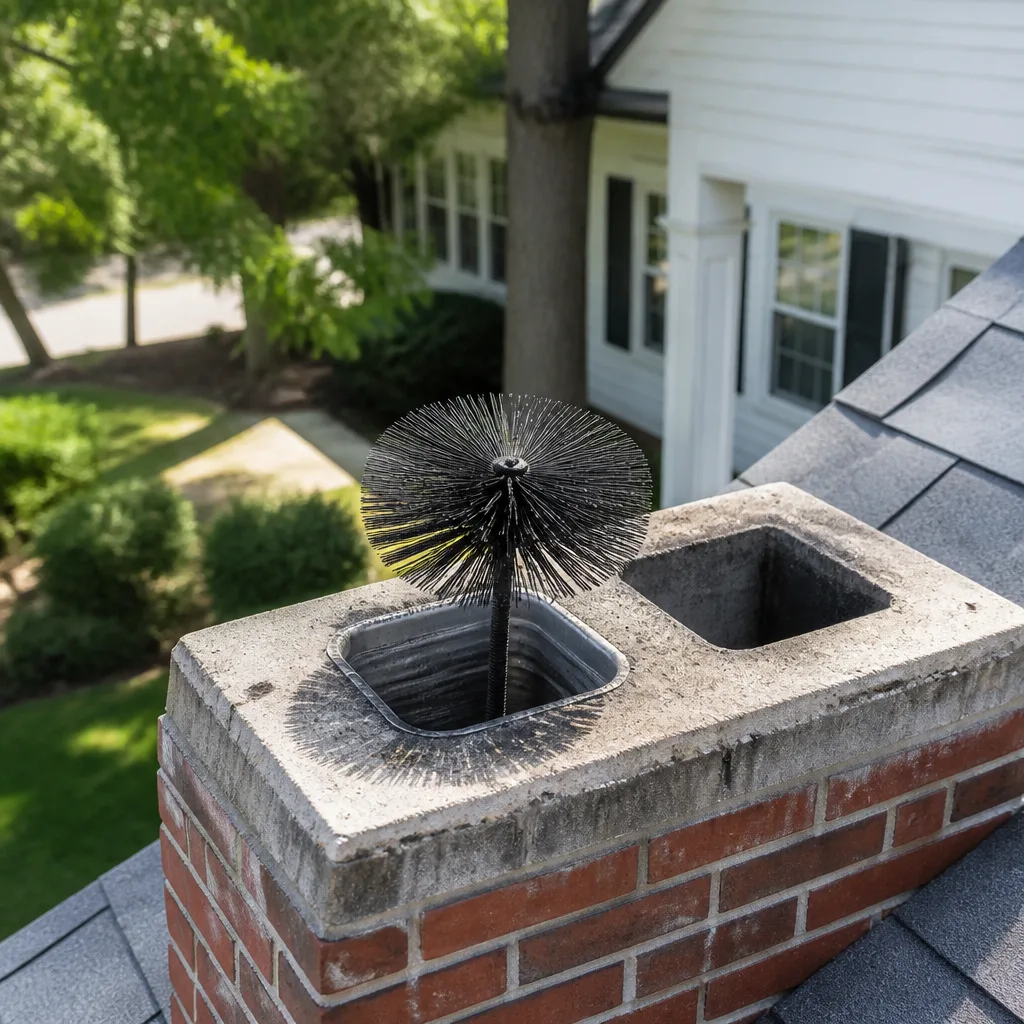
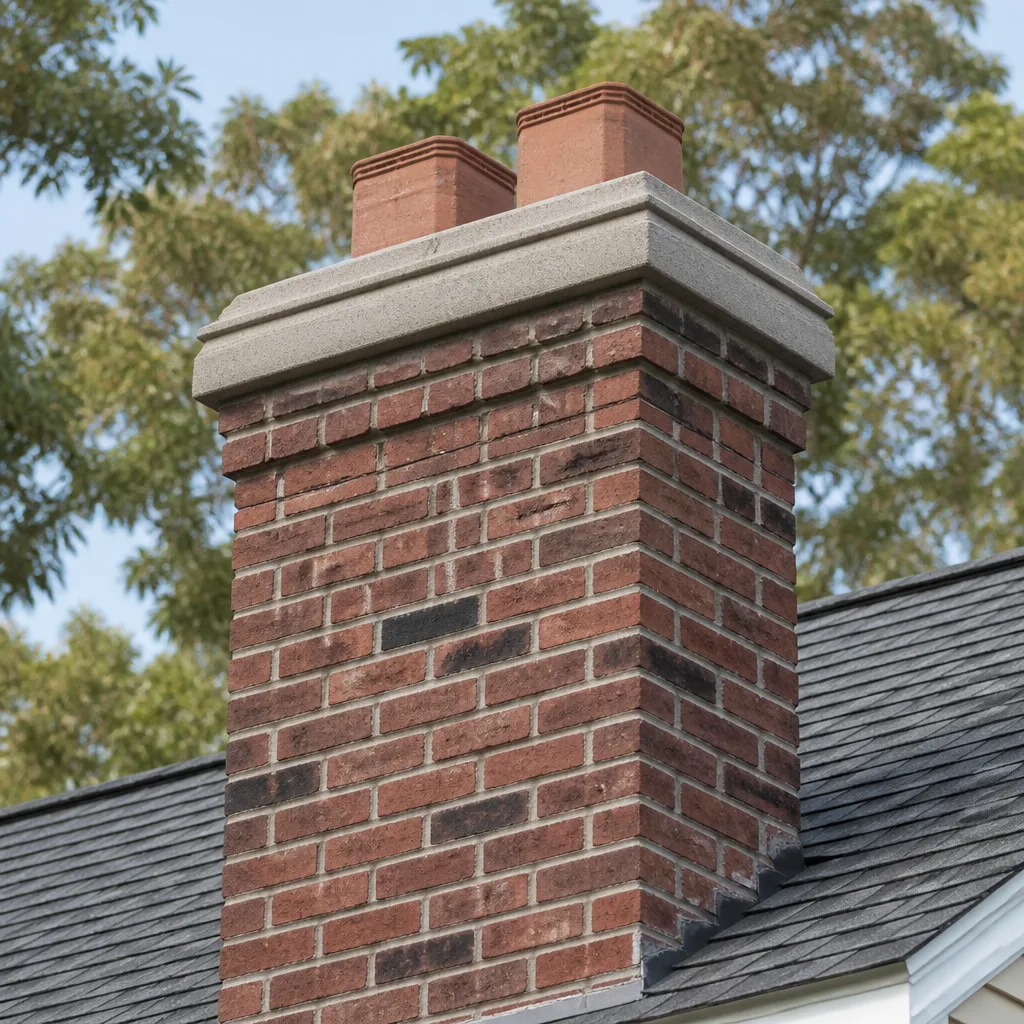
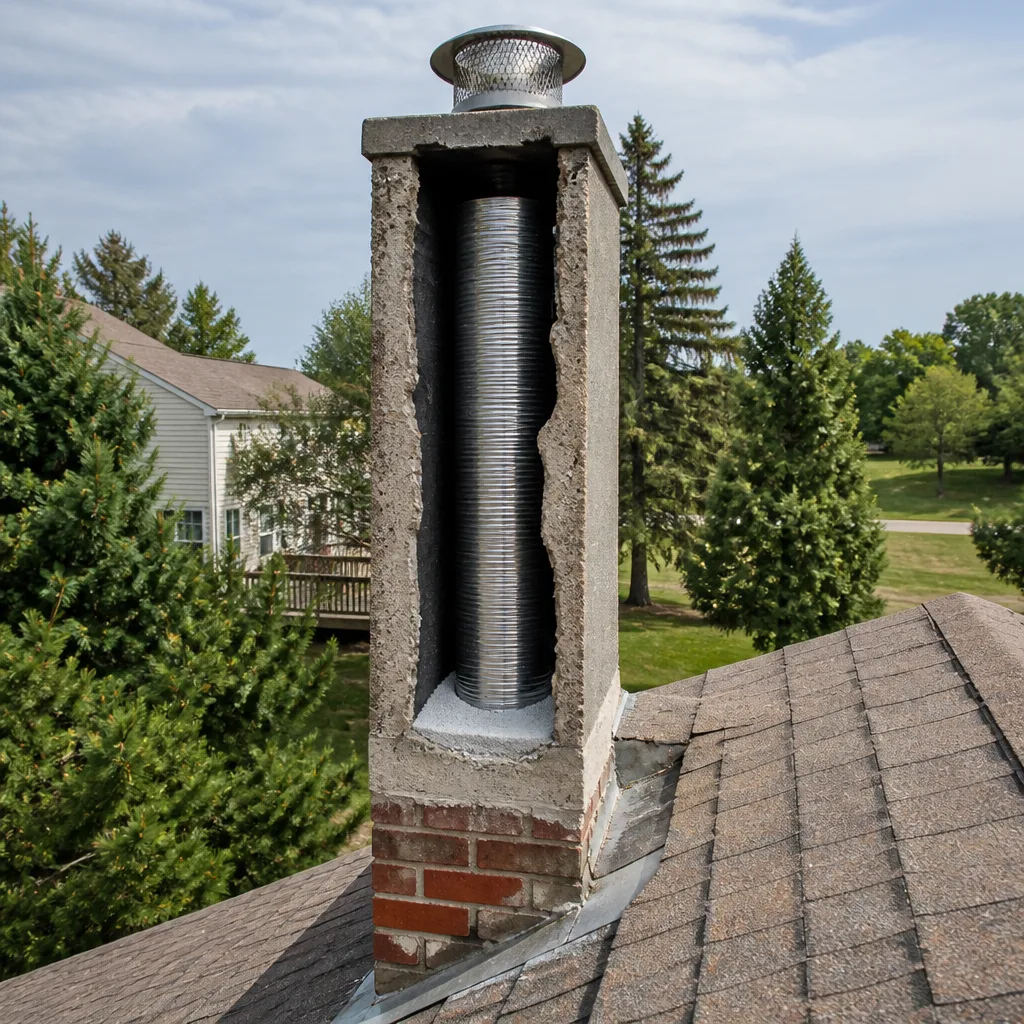
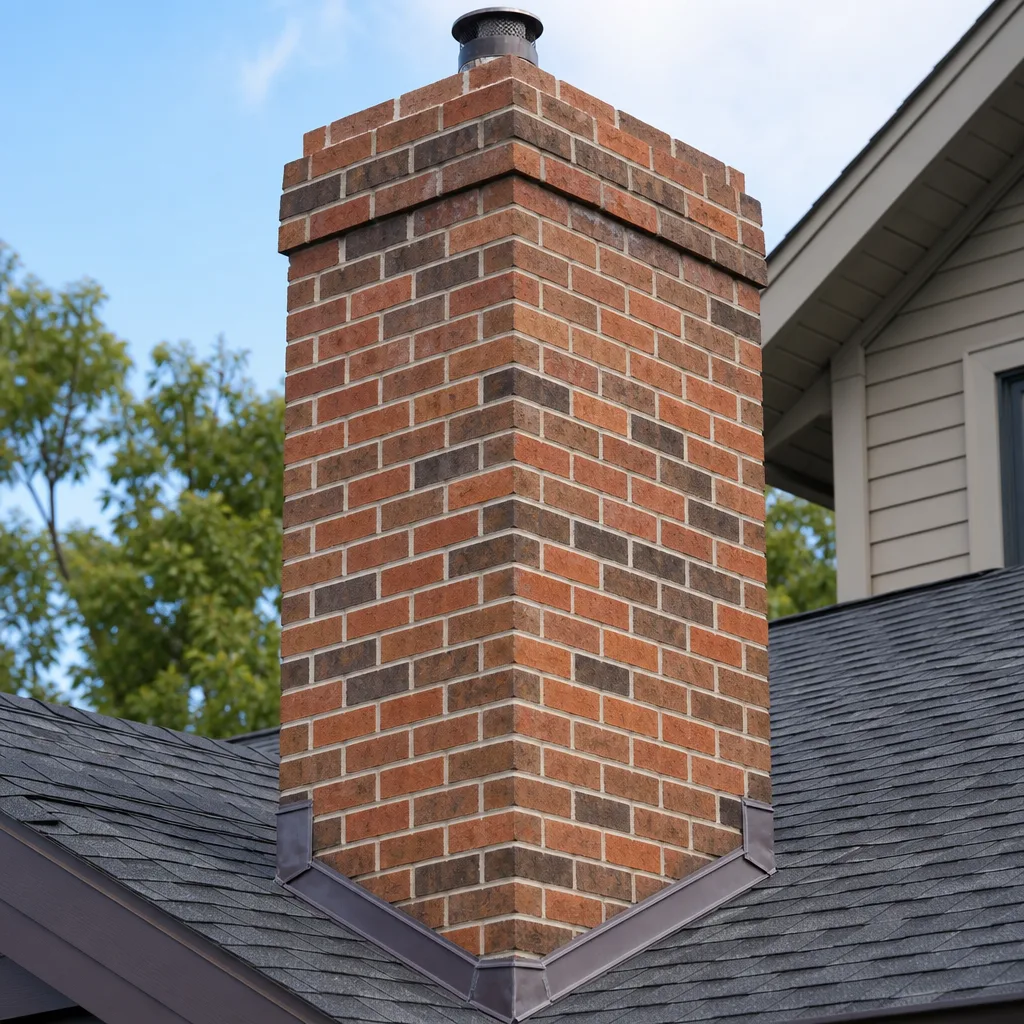
Level 1 sweep and inspection to the NFPA 211 annual standard - flue, crown, cap, and flashing checked and photographed
Chimney sweep logs do not sweep chimneys. They loosen some creosote - which then falls where a brush and vacuum still have to collect it.
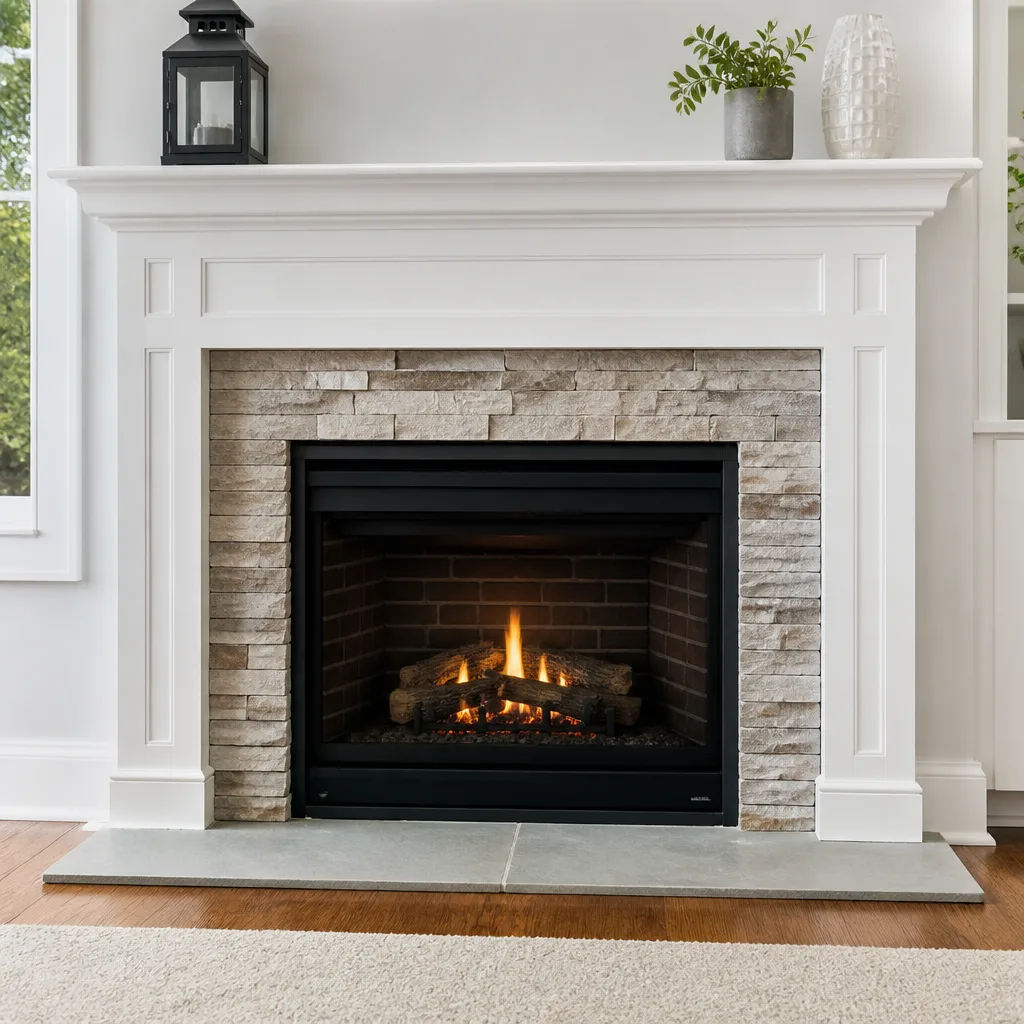
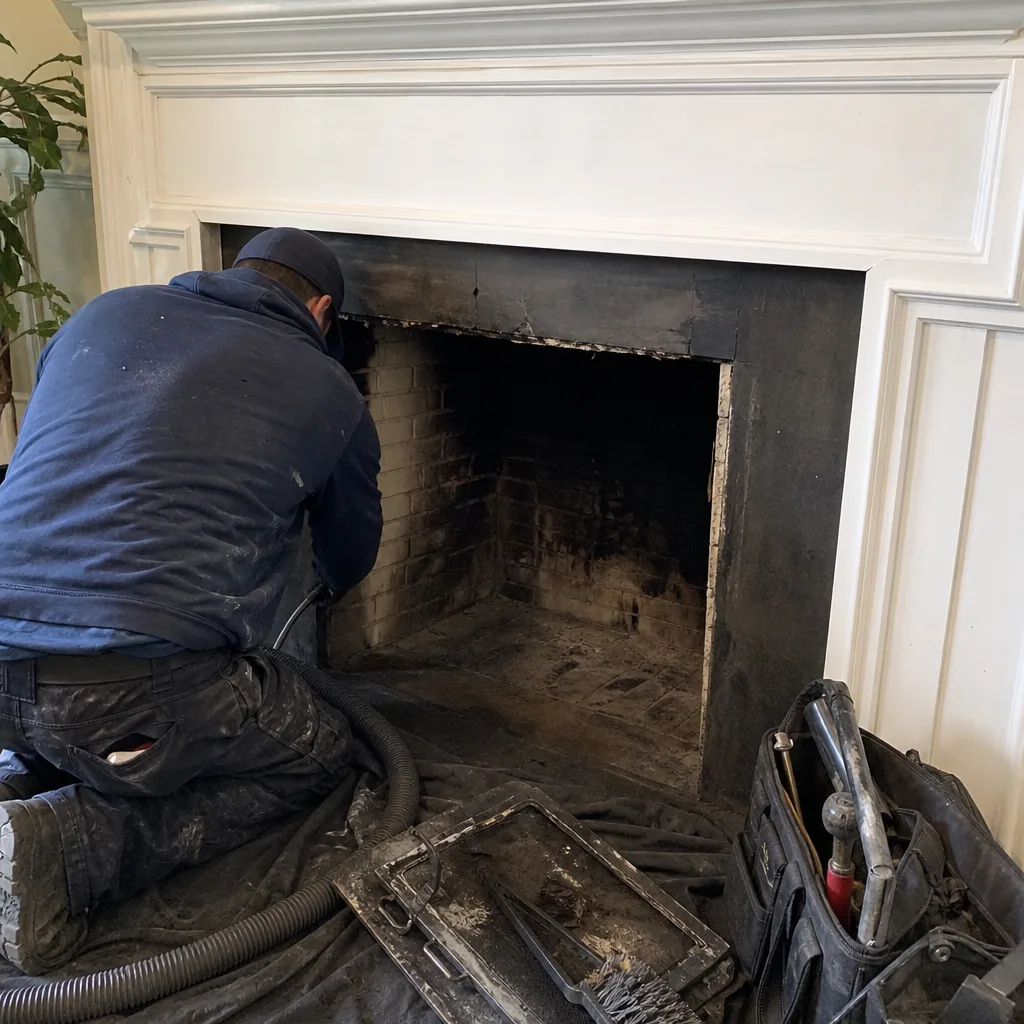 Before
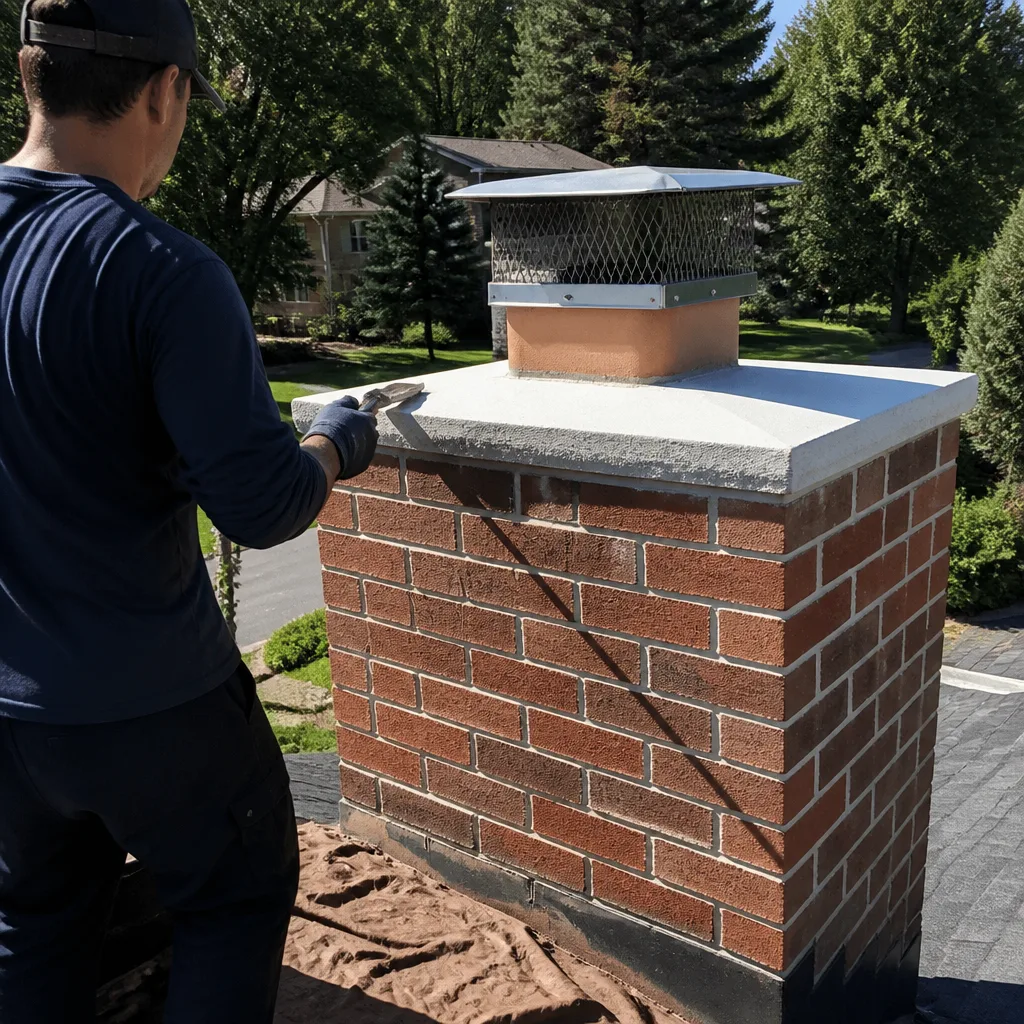 After
After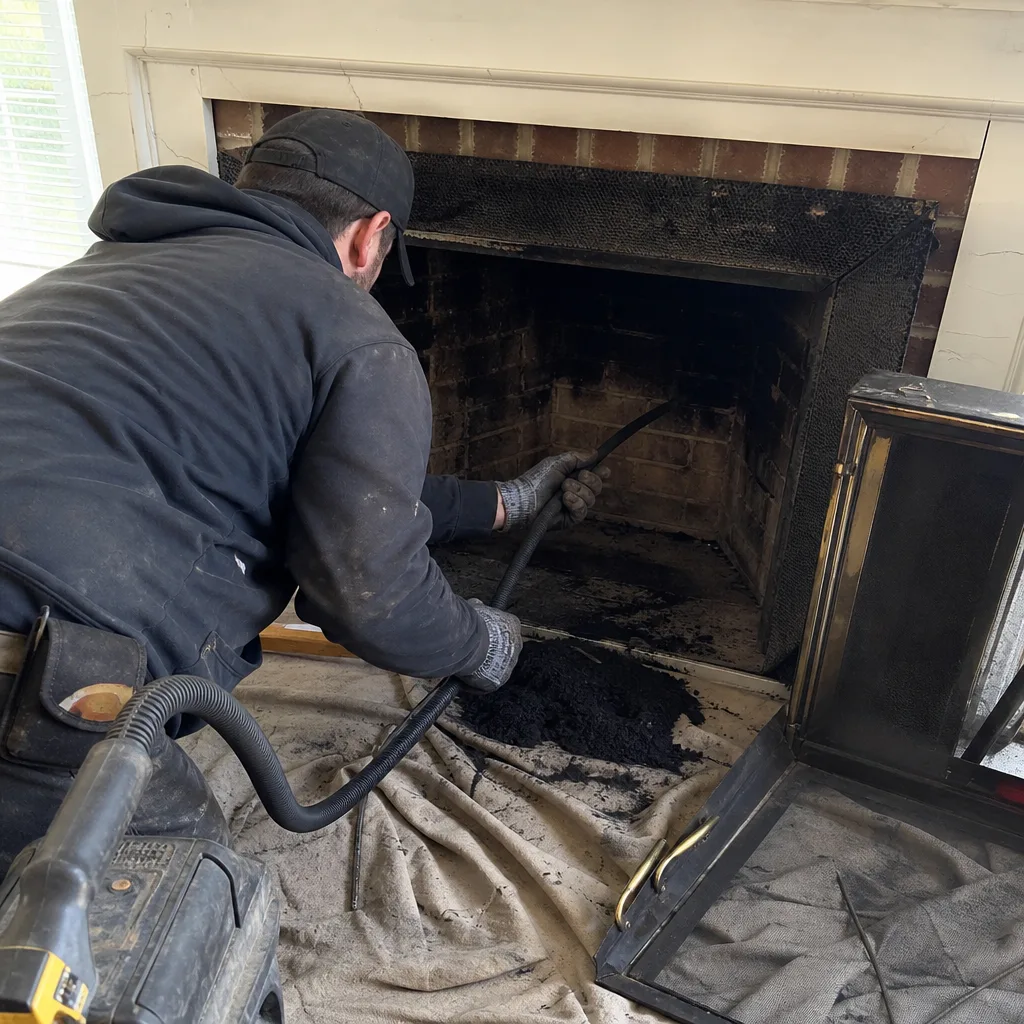 Before
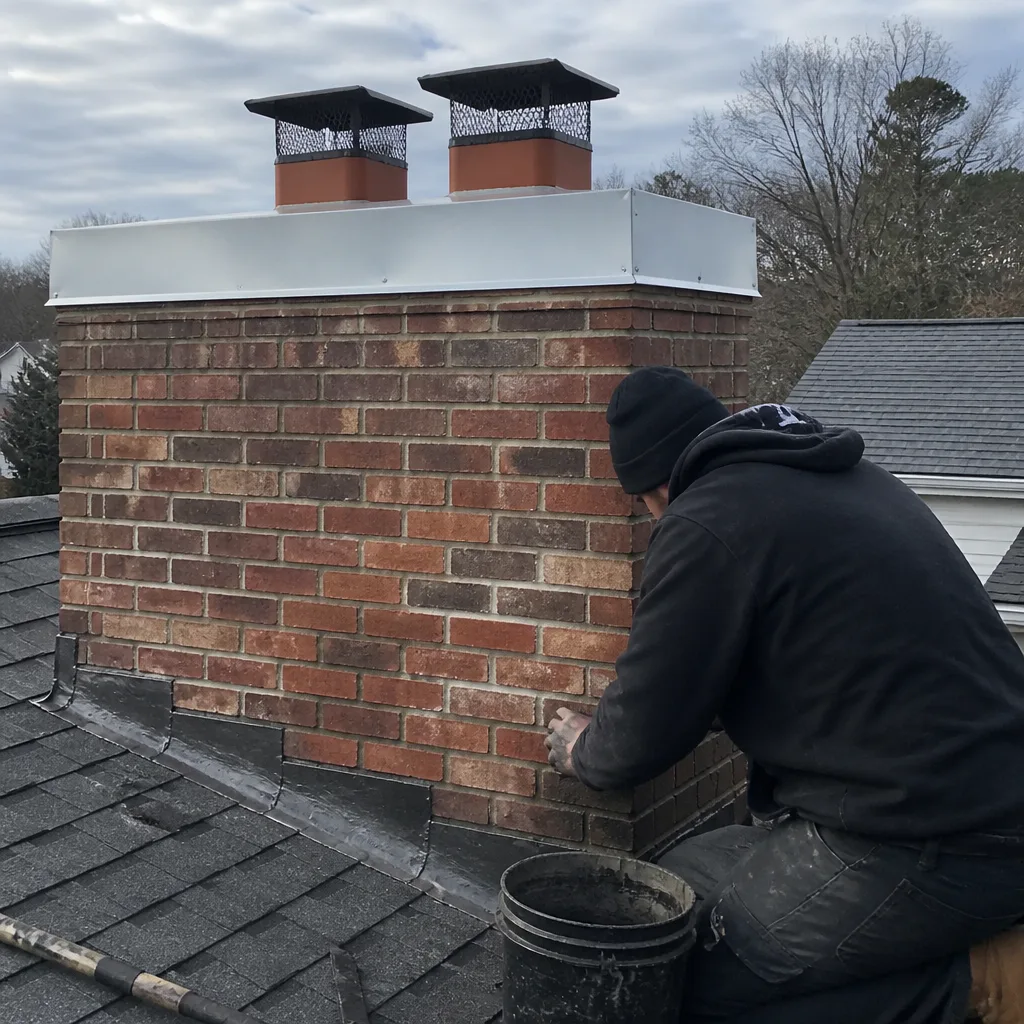 After
After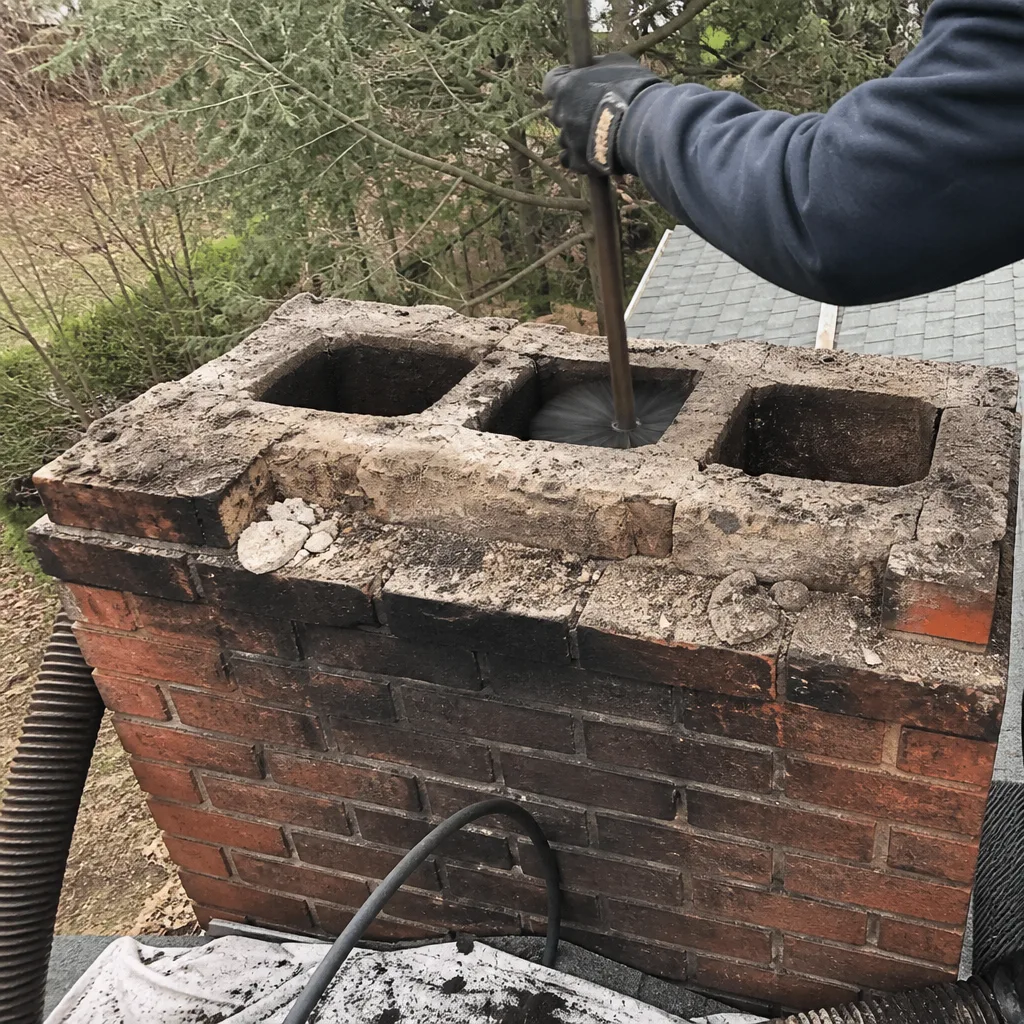 Before
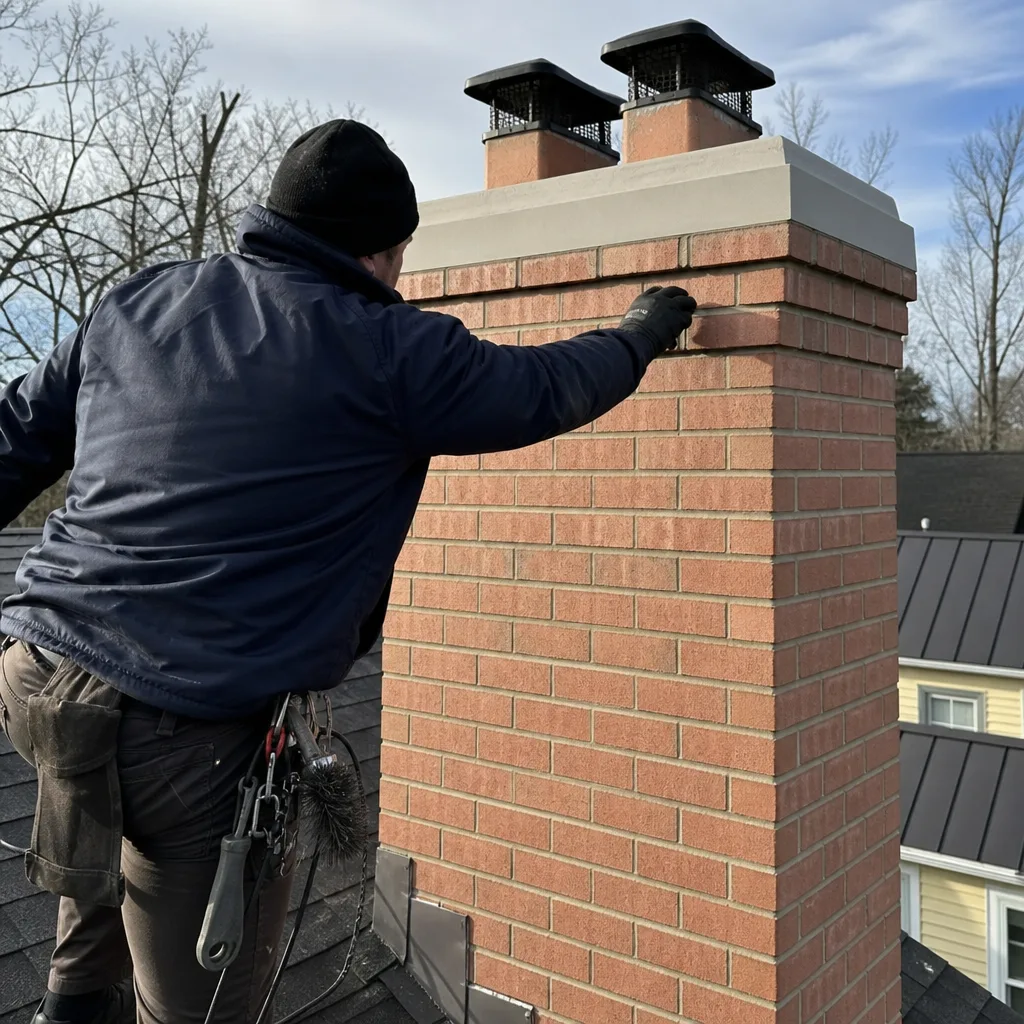 After
AfterSoot Removal in Annapolis, MD
Soot removal in Annapolis typically costs between $180 and $380, depending on flue length, soot depth, and fireplace configuration. Most jobs are completed in a single visit, with a written price confirmed before any work begins and a documented photo record delivered when the job is done. If you want to talk through what you’re seeing before booking, call us at (443) 274-4231 – a live person picks up, any time of day.
Soot is the fine, black carbon residue that clings to the flue liner, smoke chamber, and firebox walls after every fire. It’s lighter and softer than creosote, but that doesn’t make it harmless. Heavy soot deposits narrow the flue opening, choke draft, and push combustion byproducts – including carbon monoxide – back into the living space. In Annapolis, where older Federal Hill and Eastport homes often have shorter, tighter masonry flues that weren’t engineered for today’s wood stoves or gas log inserts, soot accumulates faster than most homeowners expect.
Soot removal is one piece of a complete Chimney Cleaning & Sweep in Annapolis. On every visit, our camera goes down the flue before and after we clean, so you can see the liner condition – not just take our word for it. That’s been our standard practice since 2009, and it’s written into Clause 4 of the Haven Standard as a requirement on every job we complete.
Corrine Halstead leads Level Two Chimney Annapolis. The company has completed more than 38,000 chimney inspections and cleanings, every single one with a written price before work started and a documented record when it finished.
When You Need Soot Removal
- You notice a sharp, smoky or acrid smell indoors. When soot builds up past a quarter-inch on the flue walls, the smell bleeds through even when the fireplace isn’t in use. In Annapolis’s humid summers, that odor intensifies as moisture activates the carbon deposits.
- Smoke backs up into the room when you light a fire. Soot-narrowed flues restrict the draw that carries smoke up and out. If you’re cracking a window to keep the room breathable, that’s a draft problem and a soot problem at the same time.
- You see a black, powdery residue on the firebox walls or damper. Fine soot that settles on the damper plate or the firebox floor is a reliable sign that more is coating the flue liner above it.
- It’s been more than 12 months since your last cleaning. The National Fire Protection Association (NFPA 211) recommends annual inspection and cleaning for any actively used fireplace. In Annapolis, where shoulder-season fires from October through April are common, a single heating season can deposit enough soot to warrant service.
- You’ve switched fuel types or added a gas log insert. Gas appliances produce a different chemical profile of soot than wood. Homes in Annapolis’s Historic District that converted from wood-burning fireplaces to gas inserts frequently show uneven, sticky soot deposits that accumulate differently than the previous owner’s wood fires ever did.
- Your home inspection flagged it. Real estate inspections in the Annapolis market increasingly call out soot buildup as a condition item. If you have a written estimate from another company, bring it to us – we provide a free second opinion on any written quote.
Our Soot Removal Process
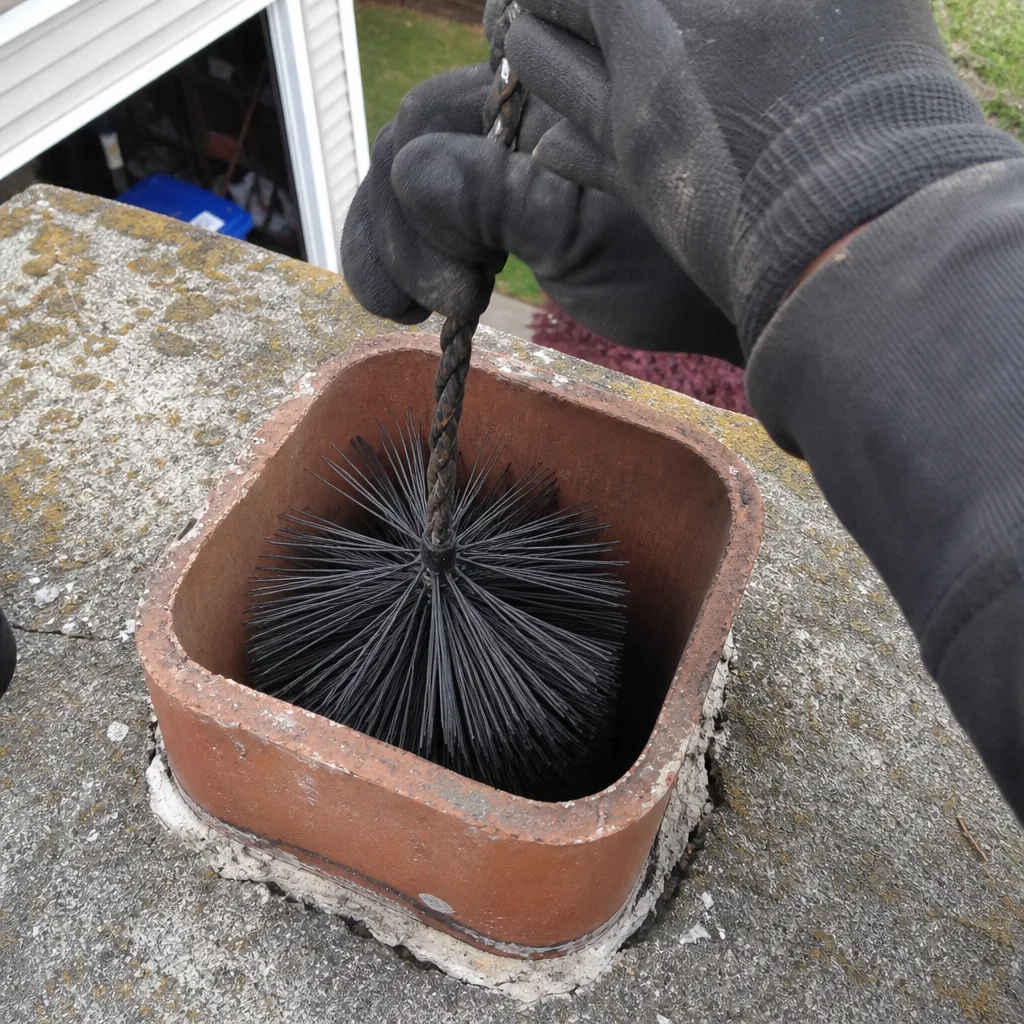
- Written price and scope before anything else. Before a tool comes out of the van, you receive a written price and a written scope of work. This is Haven Standard Clause 1 – it’s not a courtesy, it’s the rule on every job. You’ll know exactly what you’re paying for and what we’ll do, in writing, before anyone starts.
- Pre-cleaning NFPA 211 Level 2 camera inspection. We run a camera down the flue from the top and inspect from the firebox at the bottom. This documents the liner condition, the soot depth and classification, and any structural issues (cracks, spalling, open joints) before cleaning begins. The difference between a light soot deposit and Class II creosote starting to form matters – the camera tells us which we’re dealing with. This inspection is included on every Level Two Chimney visit, not billed separately.
- Firebox and living area protection. We lay drop cloths across the hearth, seal the firebox opening with a dust barrier, and use negative-pressure HEPA-filtered vacuum equipment during the cleaning. Annapolis homes – particularly the rowhouses and colonials in Wardour and Homewood – often have open floor plans where fine soot particulate can travel quickly. We contain it before we start.
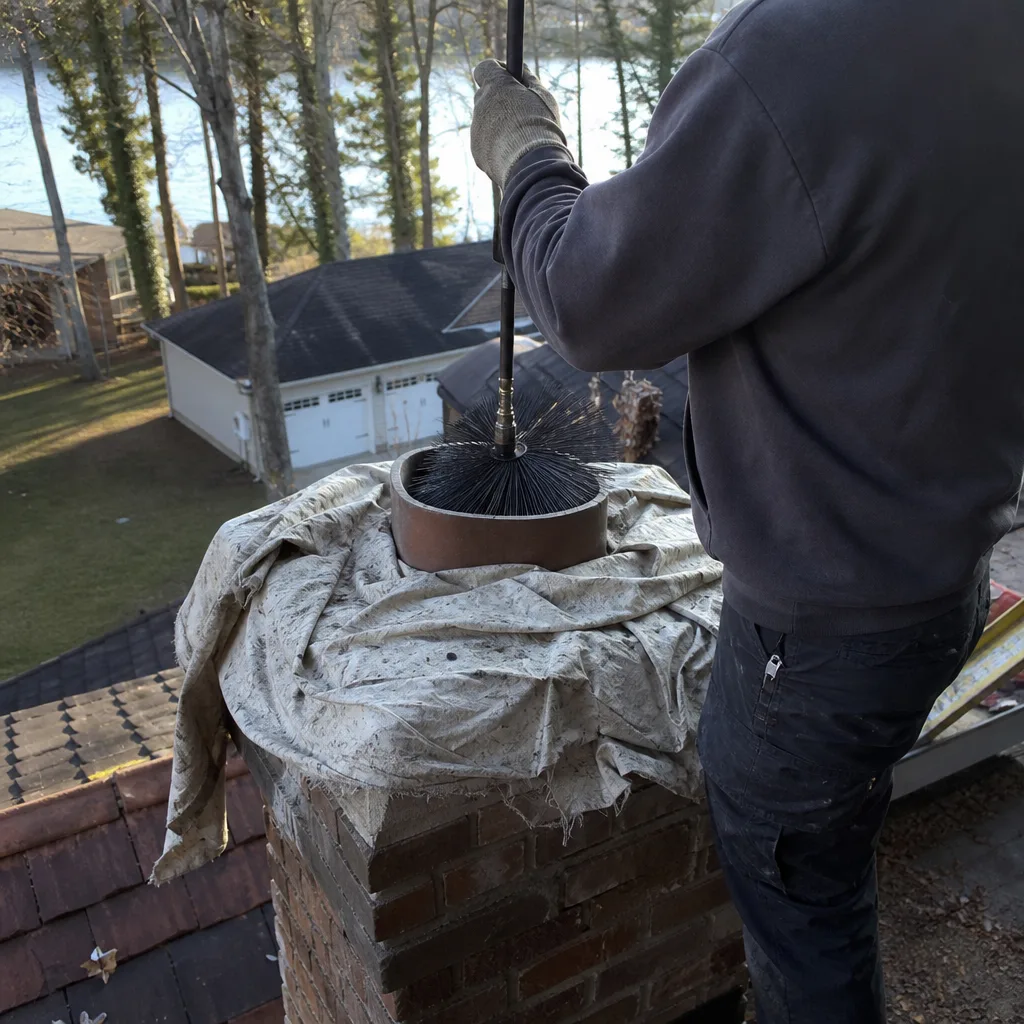
- Mechanical brush cleaning from the top down. Our technicians use correctly sized rotary brushes – matched to your specific flue liner diameter and material – working from the crown down through the smoke chamber and into the firebox. For particularly heavy deposits in tighter flues, we use Copperfield-sourced flexible rod systems that reach the full length of the liner without scoring the tile or cast-iron surface.
- Smoke chamber and firebox detail cleaning. The smoke chamber – the angled section between the damper throat and the flue – traps soot at a higher rate than the straight flue. We scrub and vacuum this area separately. It’s often the section left dirty when a company does a quick sweep without checking the full system.
- Post-cleaning inspection, photo record, and written summary. After cleaning, the camera goes back down. You receive a before-and-after photo record and a written summary of what was found and what was done. If the inspection identifies anything beyond soot – early-stage creosote, a cracked liner tile, a deteriorated crown – you receive a written scope and price for that work separately. No pressure, no upsell scripts. Clause 4 of the Haven Standard requires this documentation on every job.
BeforeAfterSoot Removal Pricing in Annapolis
Soot removal in Annapolis runs between $180 and $380 for most residential fireplaces. That range covers the full service: pre-cleaning camera inspection, mechanical brush cleaning, smoke chamber cleaning, and the post-job photo record. The written price you receive before work begins is the price on the invoice when it’s done – no adjustment after the technician is already in your home.
| Service Scenario | Typical Price Range |
|---|---|
| Single fireplace, standard flue length (up to 15 ft), light-to-moderate soot | $180 – $240 |
| Single fireplace, longer or offset flue (15-25 ft), moderate soot | $240 – $310 |
| Heavy soot accumulation or multi-year gap since last service | $310 – $380 |
| Wood stove or insert cleaning (requires partial disassembly) | $280 – $380 |
| Second fireplace or additional flue on same visit | $120 – $180 (added to base) |
Several factors affect where your job lands in that range. Flue length matters most – Annapolis Victorian-era homes in the Murray Hill and Wardour neighborhoods often have taller chimneys than post-war houses in Parole or Hillsmere Shores, which pushes the job slightly up the range. Flue diameter and liner material (terra cotta tile vs. cast-in-place vs. stainless liner) affects which brush system we use. And the gap since your last cleaning is a real factor: a fireplace that was cleaned last spring is a different scope than one that hasn’t been touched since 2021.
If you have a written estimate from another company, bring it to us. We offer a free second opinion on any written quote, and we’ll tell you plainly whether the scope they’ve described matches the price.
Call (443) 274-4231 to get a written price before anything starts. Estimates are free, and the phone is answered by a live person.
What Soot Removal Includes vs. What It Doesn’t
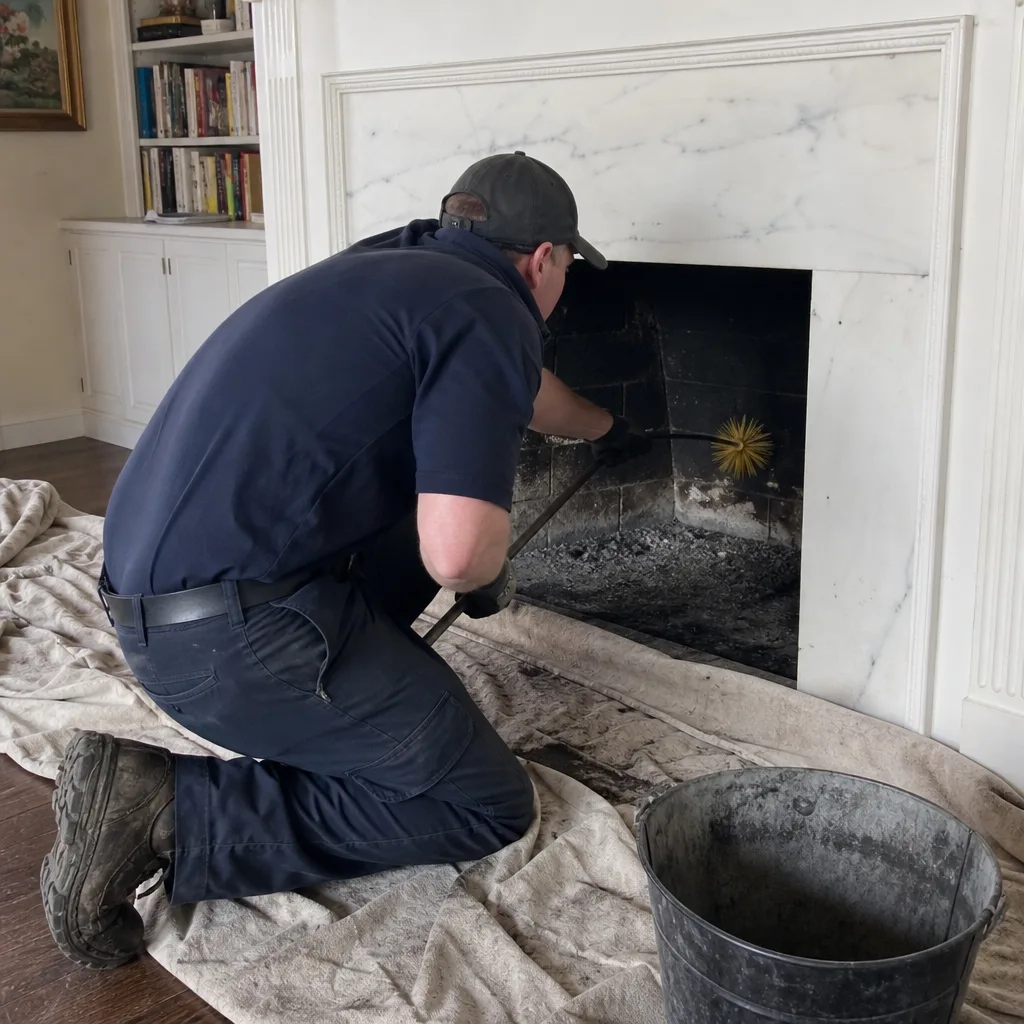
It’s worth being specific here, because the term “chimney sweep” gets used loosely in Annapolis and the surrounding Anne Arundel County market.
A Level Two Chimney soot removal service covers: the complete flue from crown to firebox floor, the smoke chamber, the damper and damper frame, and the firebox walls. It includes pre-and-post camera documentation and a written summary of findings. It does not include creosote treatment (required when Class II or Class III deposits are present), structural repair work such as relining or crown patching, or chimney cap installation. If the camera turns up anything in those categories, you receive a written price for that work – separately, with no obligation.
Class III creosote – the tar-like, glazed form that can ignite at low temperatures – is not something we clean with brushes alone. If your flue has it, we’ll tell you plainly and explain the chemical treatment and re-cleaning process. This is a safety matter, not a sales matter: Class III deposits are the primary driver of chimney fires, and a brush sweep won’t remove them. A trained technician needs to assess this, and the camera is what makes that assessment possible. Do not attempt to clean a flue with Class III creosote yourself.
Soot vs. Creosote: What’s Actually in Your Flue
Soot and creosote are both combustion byproducts, but they’re not the same thing, and the distinction matters when you’re talking about what a cleaning covers.
Soot is the fine black carbon powder deposited when combustion is mostly complete. It’s dry, powdery, and relatively easy to remove with a correctly sized brush. Creosote forms when combustion is incomplete – when wood is wet, fires are smoldering, or flue temperatures are too low for full burn. It progresses through three stages: a dry, flaky Stage 1 that brushes out easily; a tarry, porous Stage 2 that requires more aggressive cleaning; and a hard, glazed Stage 3 that brushes alone cannot remove and that presents a genuine fire hazard.
In Annapolis, we see more Stage 1 and early Stage 2 creosote in homes that burn wood in shoulder-season conditions – October and early November especially, when fires are lit with the damper not fully opened or with wood that’s spent less than a year drying. The flue temperatures during these low-intensity fires don’t sustain full combustion, so incomplete byproducts condense on the liner walls. The camera tells us what stage we’re looking at before any cleaning price is set.
Why Annapolis Chimneys Need Specific Attention
Annapolis has a particular chimney profile that affects how soot accumulates and how it needs to be removed. The city’s proximity to the Chesapeake Bay means sustained humidity through much of the year – particularly May through September. High ambient moisture accelerates the oxidation of soot deposits and, in flues that see infrequent use, contributes to the bonding of soot with moisture on liner surfaces. That bonded soot is stickier and denser than dry deposits and sometimes requires a second brush pass on older terra cotta-lined flues.
The Historic District’s older masonry chimneys – common in the streets around Maryland Avenue and College Creek – tend to have shorter flue runs than newer construction, which limits draft and causes more particulate to slow and settle before exiting the top. In Eastport’s waterfront colonials, exterior chimney stacks exposed to bay winds see more dramatic temperature swings across the liner, which stresses the mortar joints and can cause minor spalling that traps soot in rough patches. Our camera documentation captures these structural details as part of every visit, not as a separate inspection fee.
Parole and Riva neighborhoods, with more post-1980 construction, often have prefabricated metal fireplaces rather than masonry flues. Soot accumulates differently in zero-clearance fireplaces and requires smaller-diameter brushes and different rod lengths. We carry equipment for both systems on every van.
FAQs – Soot Removal
How much does soot removal cost in Annapolis?
Soot removal in Annapolis costs between $180 and $380 for most residential fireplaces, with the written price provided before any work starts. For a detailed breakdown, see our How Much Does Chimney Cleaning & Sweep Cost? (2026 Price Guide) - Annapolis, MD. The range depends on flue length, soot depth, and whether you have a masonry fireplace or a prefabricated metal insert. A standard single-fireplace cleaning with a flue up to 15 feet typically runs $180 to $240. Longer flues, multi-year buildup, or wood stove inserts that require partial disassembly move the price higher. Call (443) 274-4231 for a written quote – estimates are free.
Can soot removal be done the same day I call?
Same-day and next-day scheduling is available for most Annapolis addresses, though availability shifts during peak Annual Sweep season (September through November). We dispatch a background-checked, uniformed technician with a text notification when they’re on the way. Our phone line is answered by a live person 24 hours a day, 7 days a week, so you’re not waiting on a web form to find out if there’s availability. Call (443) 274-4231 to check same-day openings.
Is soot removal the same as a full chimney sweep?
Soot removal is the core task of our Chimney Cleaning & Sweep services, but a full sweep also includes inspection of the crown, cap, flashing, smoke chamber, damper, and firebox – plus, at Level Two Chimney, a before-and-after camera scan of the flue liner. What you get from us isn’t a quick brush pass; it’s a documented cleaning that tells you the condition of the entire system, not just that the soot is gone. The camera-down inspection is included on every visit under Haven Standard Clause 4, at no additional charge.
Is soot in a chimney dangerous?
Soot itself is less immediately dangerous than creosote, but it’s not a cosmetic issue. Heavy soot narrows the flue and restricts draft, which pushes combustion gases – including carbon monoxide – back into the living space. It also provides a surface on which creosote can accumulate and concentrate. If soot has built up past a quarter-inch on the liner walls, draft is measurably compromised. A camera inspection confirms depth and coverage; a guess from the firebox floor does not. Call (443) 274-4231 if you’re seeing smoke backing into the room or smelling a persistent smoky odor – those are the clearest signs that soot accumulation is affecting your system.
The Level Two Chimney Standard
Level Two Chimney Annapolis operates under the Haven Standard, which sets a specific minimum for every job: written price and written scope before work starts (Clause 1), background-checked uniformed technicians with a name assigned and a text when they’re on the way, and a photo-documented record when the job is complete (Clause 4). Every job is backed by the 365-Day Done Right Promise – if it’s not done right, we make it right, no argument required.
Since 2009, the company has completed more than 38,000 chimney inspections and cleanings. That’s not a marketing figure – it’s the count that runs behind every written price and every camera record. Corrine Halstead built Level Two Chimney on the position that documentation is not optional, and that practice has been standard here longer than most of our competitors have been inspecting chimneys in Anne Arundel County.
If you’d like to understand more about what a full cleaning visit covers, our home page outlines the complete service structure and Haven Standard commitments in detail.
Book Soot Removal in Annapolis
If your fireplace smells, smokes back, or simply hasn’t been cleaned in over a year, the right next step is a written price and a camera scan – in that order. Call Level Two Chimney Annapolis at (443) 274-4231 to schedule Chimney Cleaning & Sweep Near Me in Annapolis, MD. A live person answers every call, same-day scheduling is available subject to openings, and your written price arrives before anyone touches a tool. The 365-Day Done Right Promise is on every job.
Written by Corrine Halstead, Owner at Level Two Chimney Annapolis, serving Annapolis.