
Last updated September 20, 2026
Level 1 sweep and inspection to the NFPA 211 annual standard - flue, crown, cap, and flashing checked and photographed
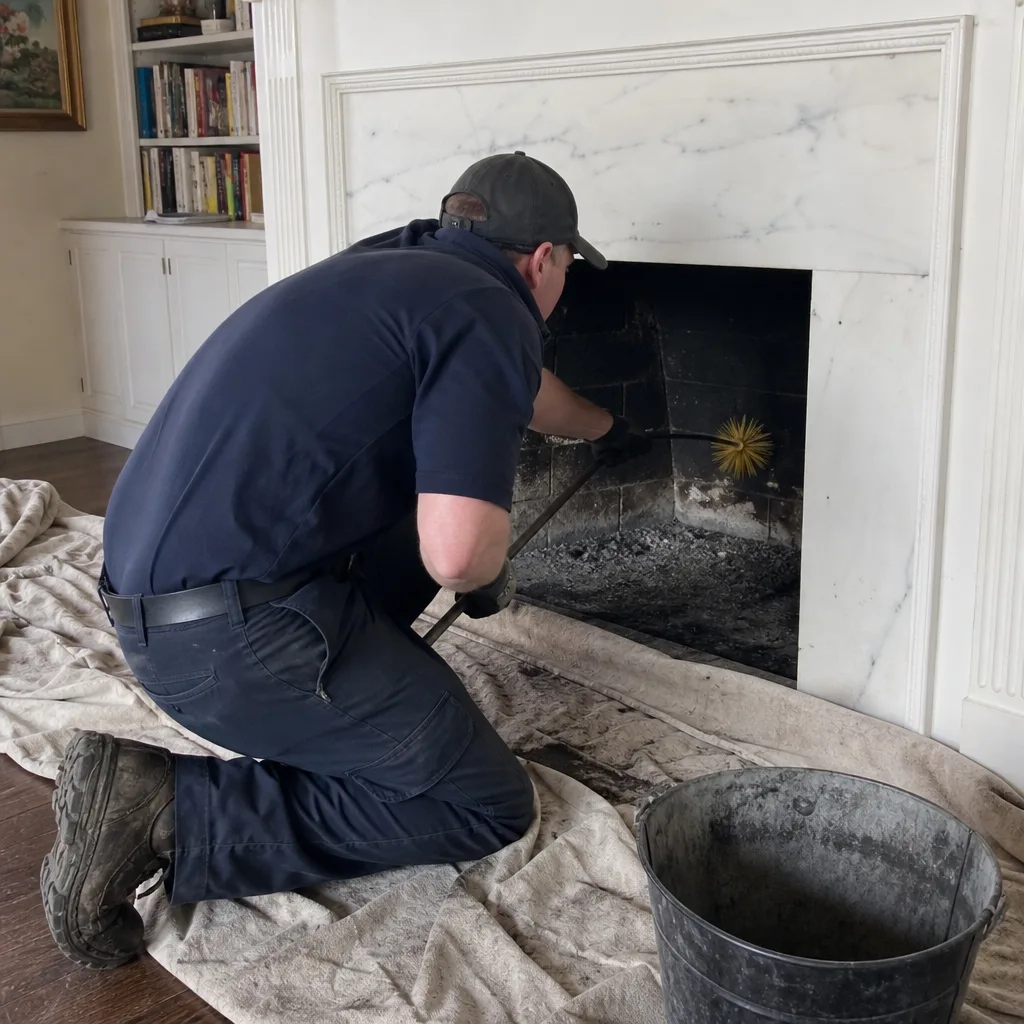
Chimney sweep logs do not sweep chimneys. They loosen some creosote - which then falls where a brush and vacuum still have to collect it.
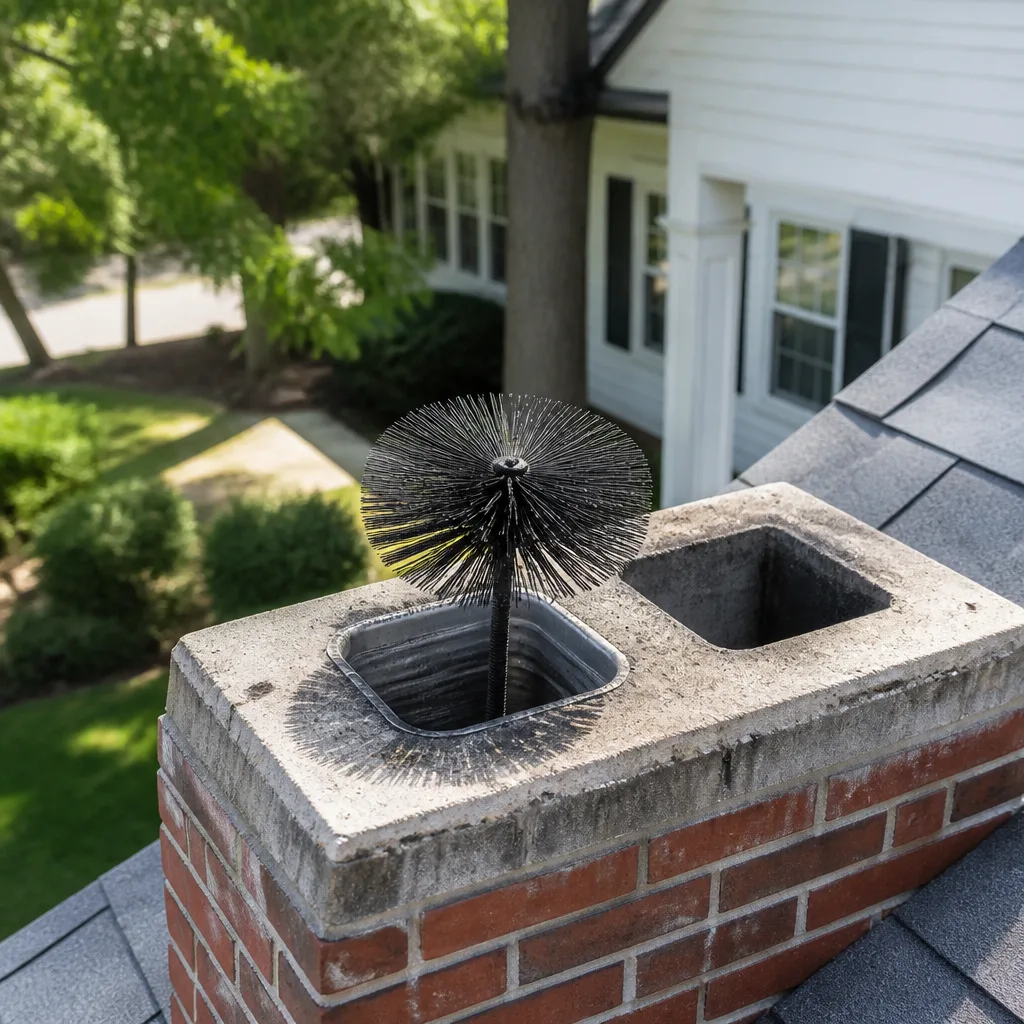
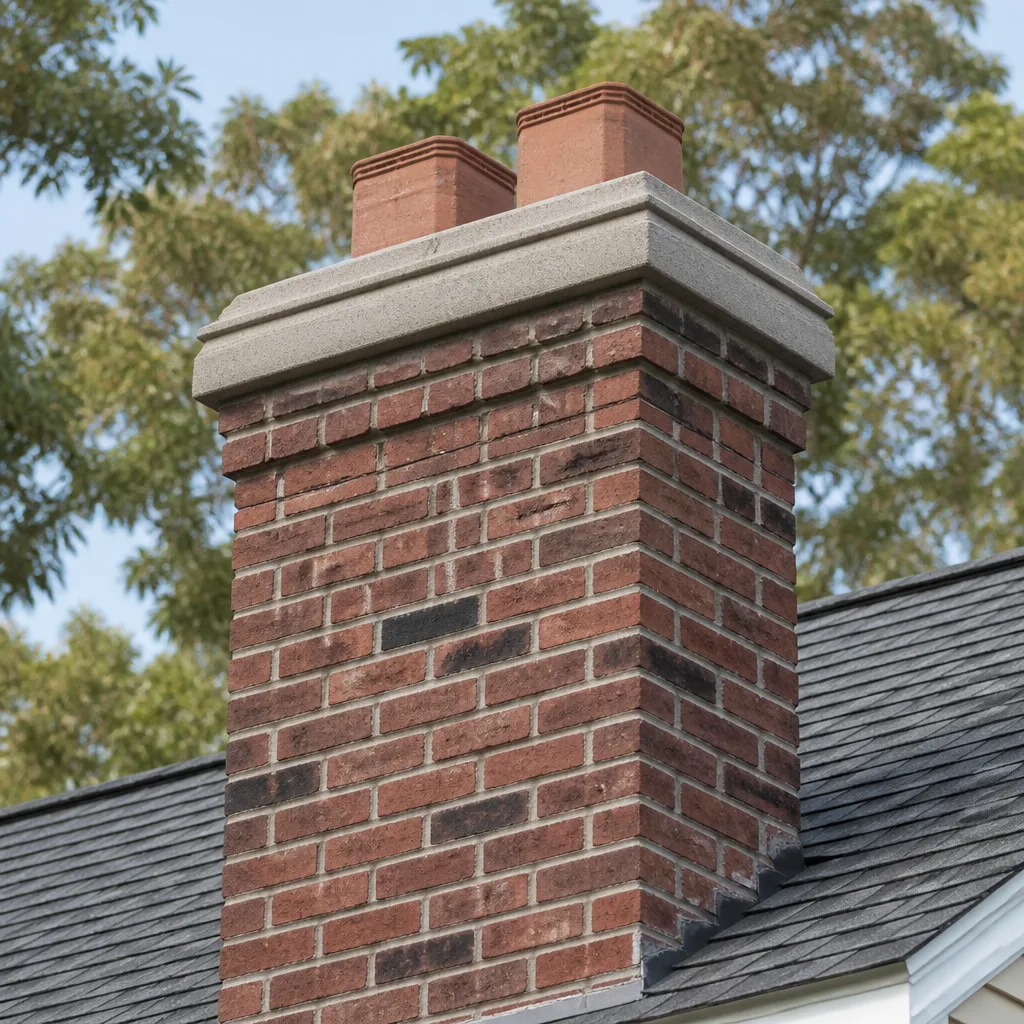
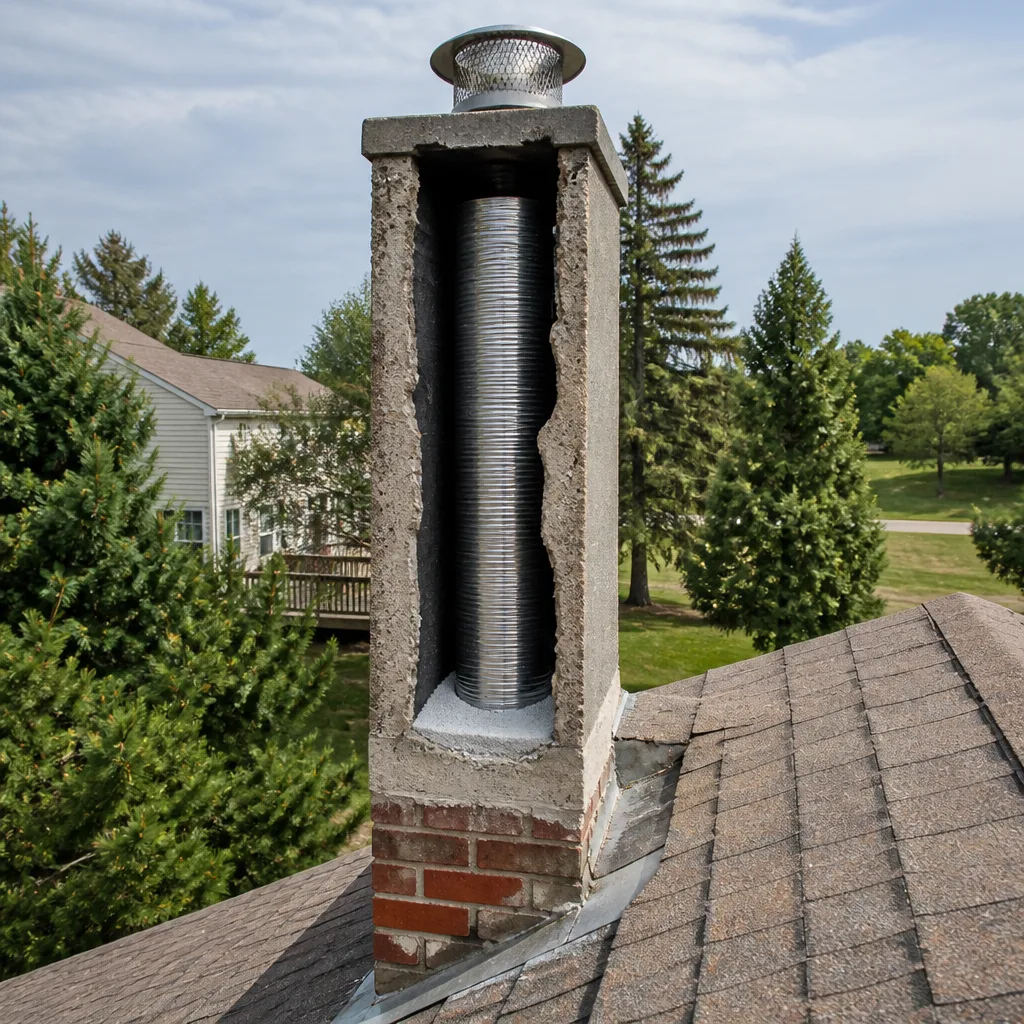
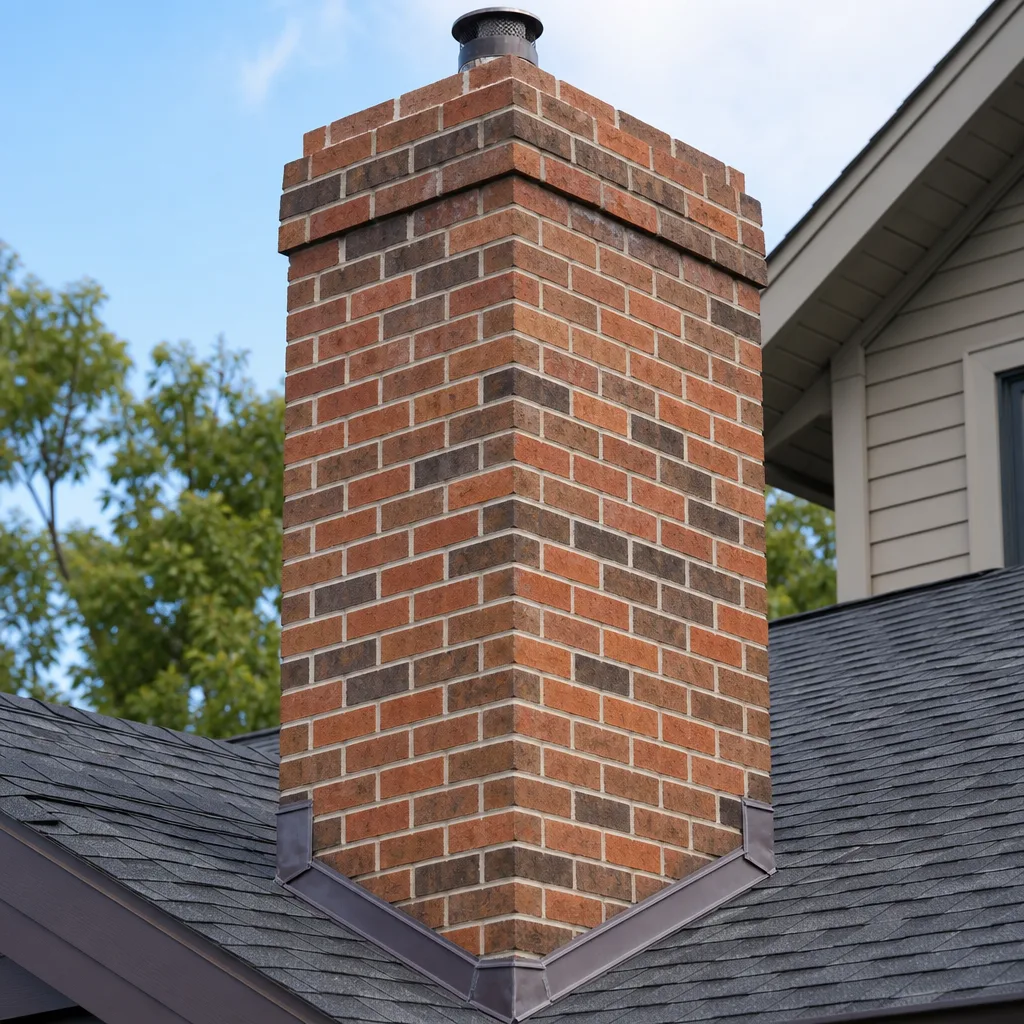
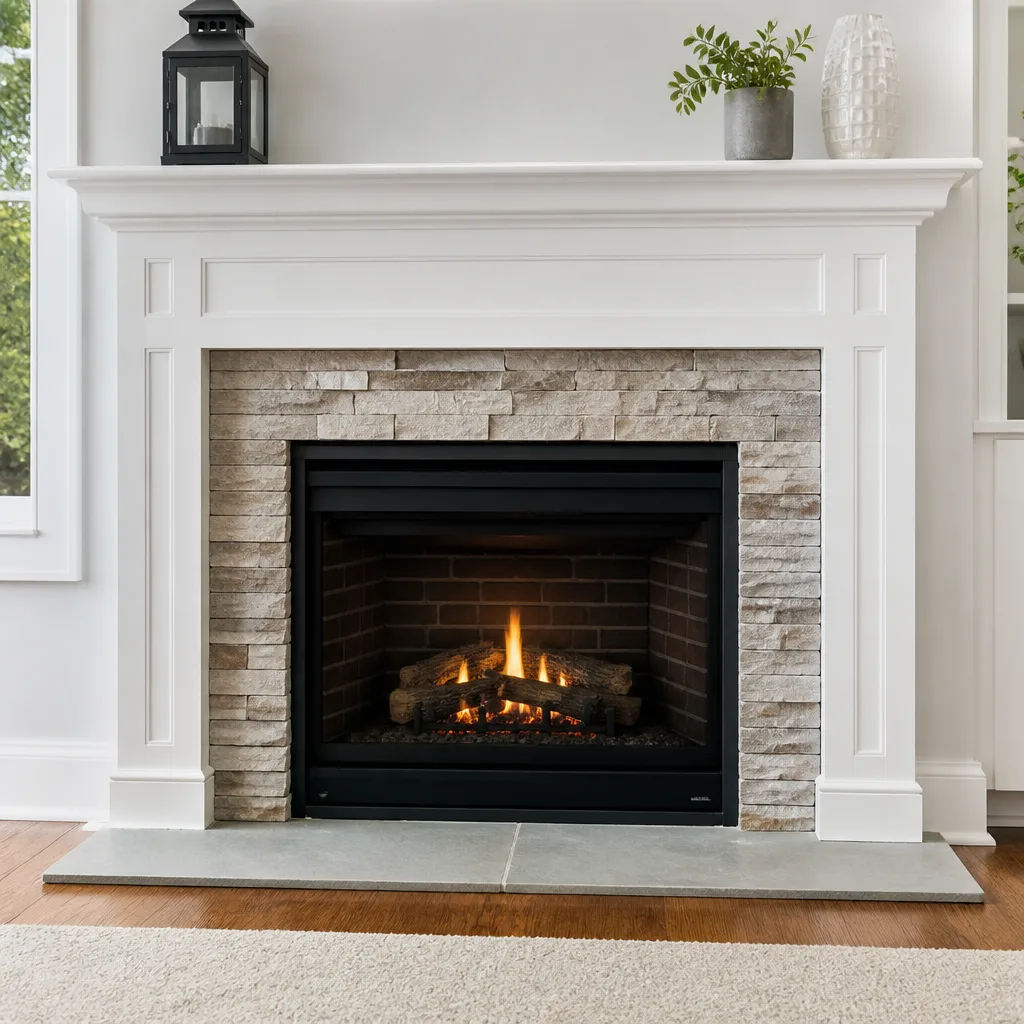
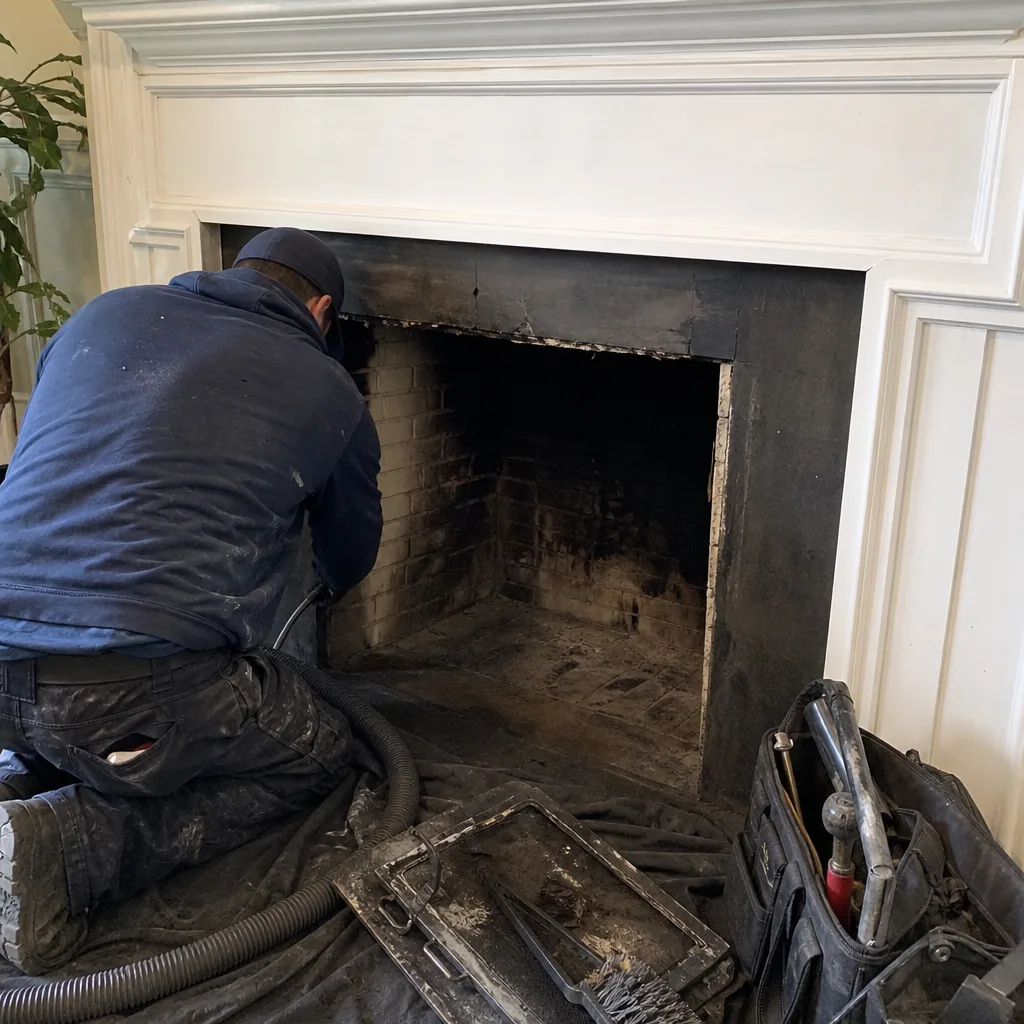 Before
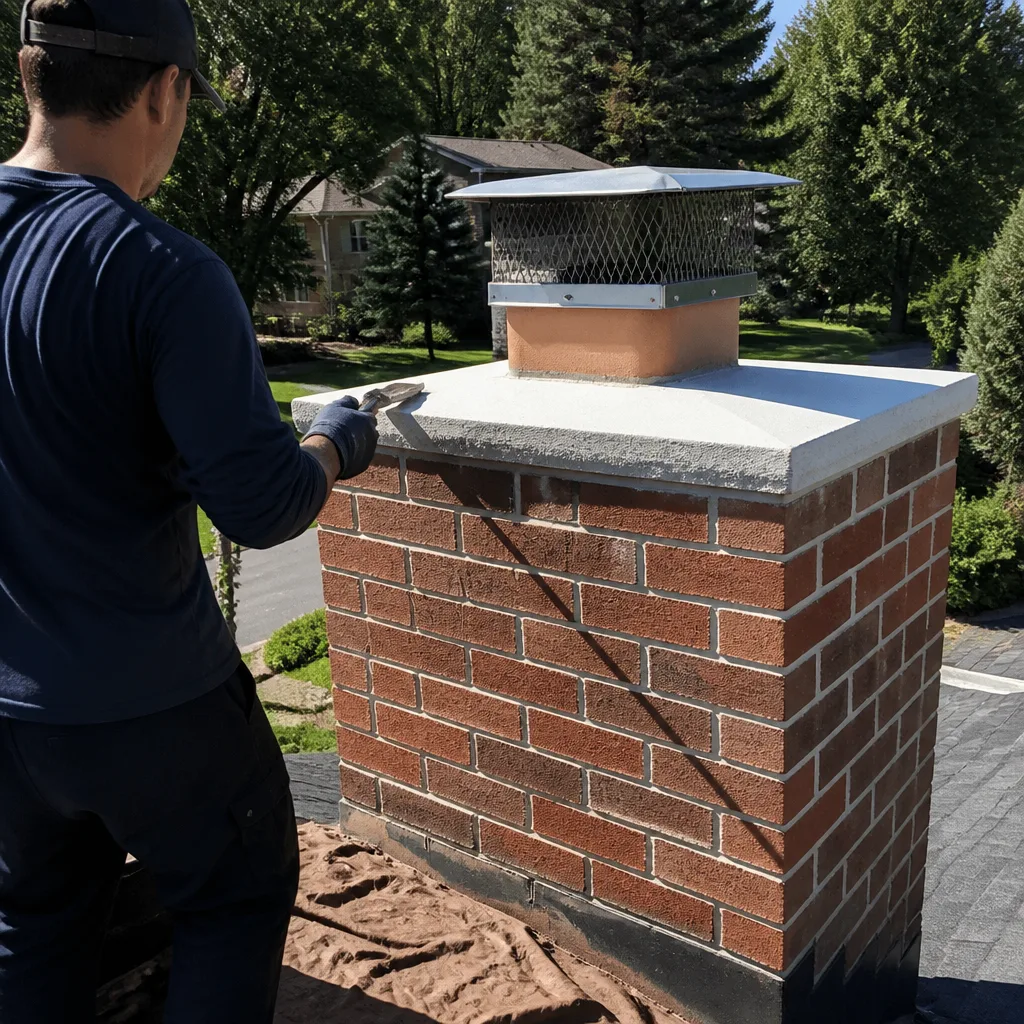 After
After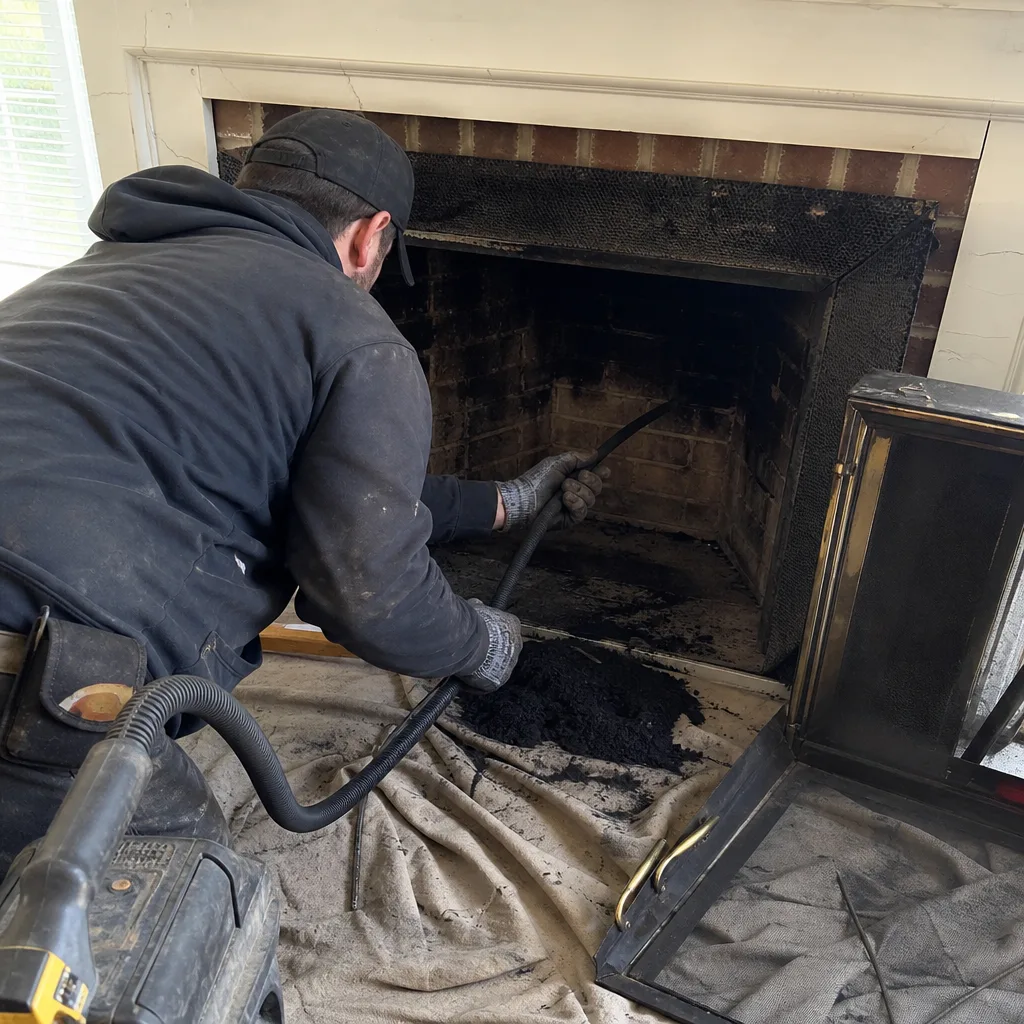 Before
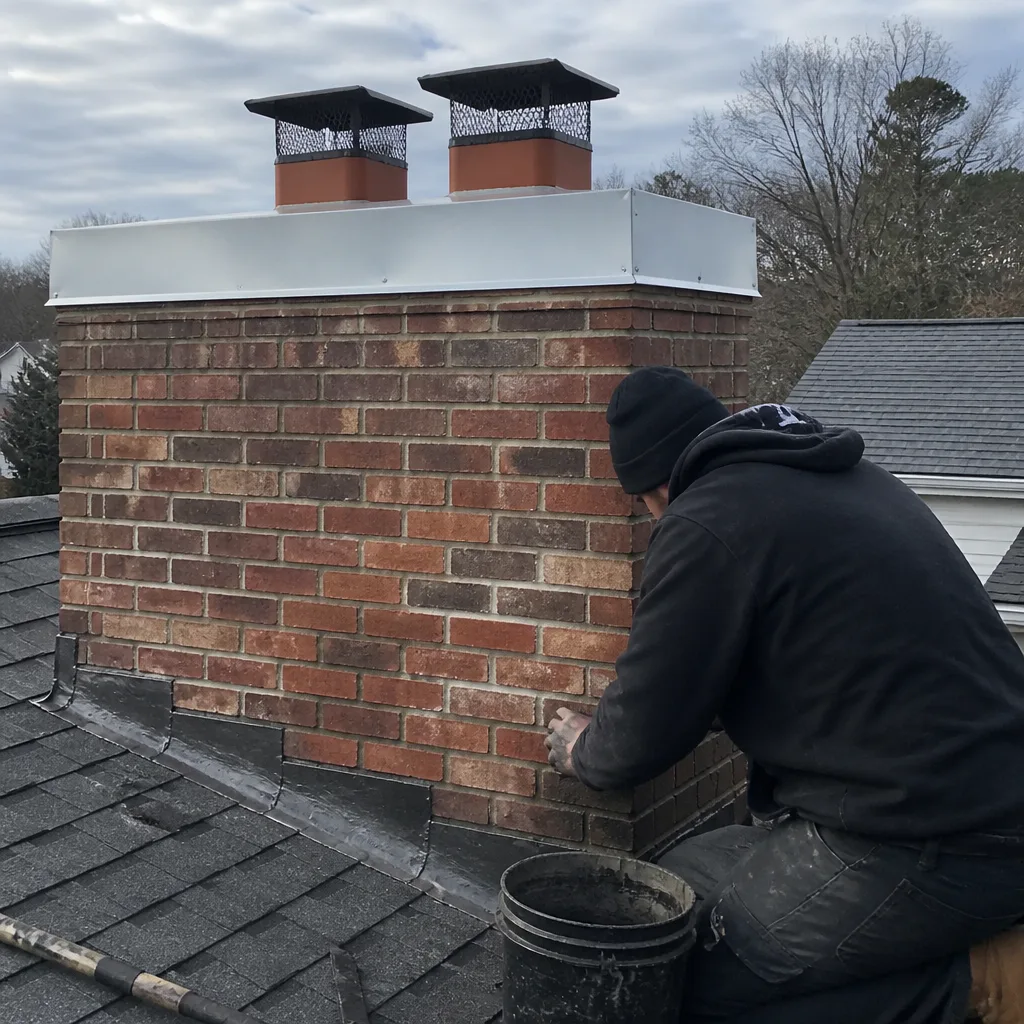 After
After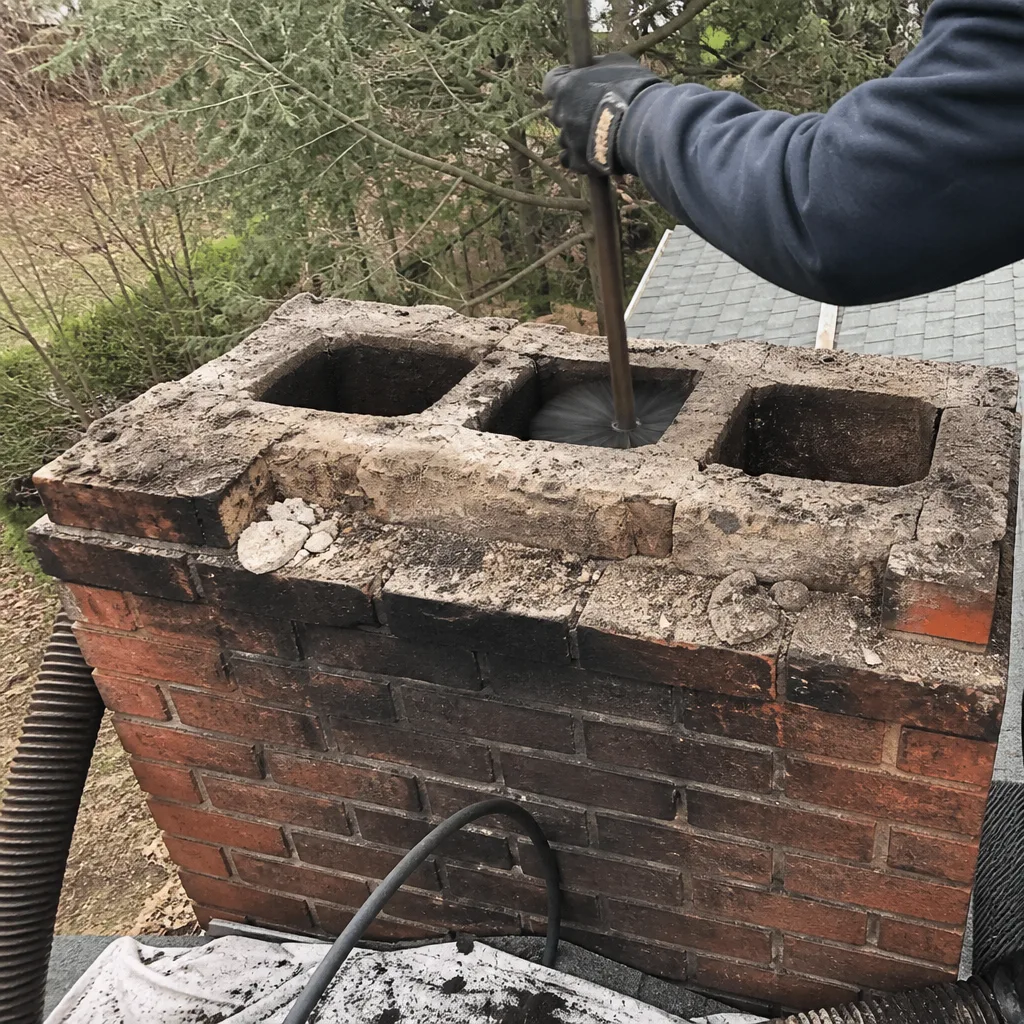 Before
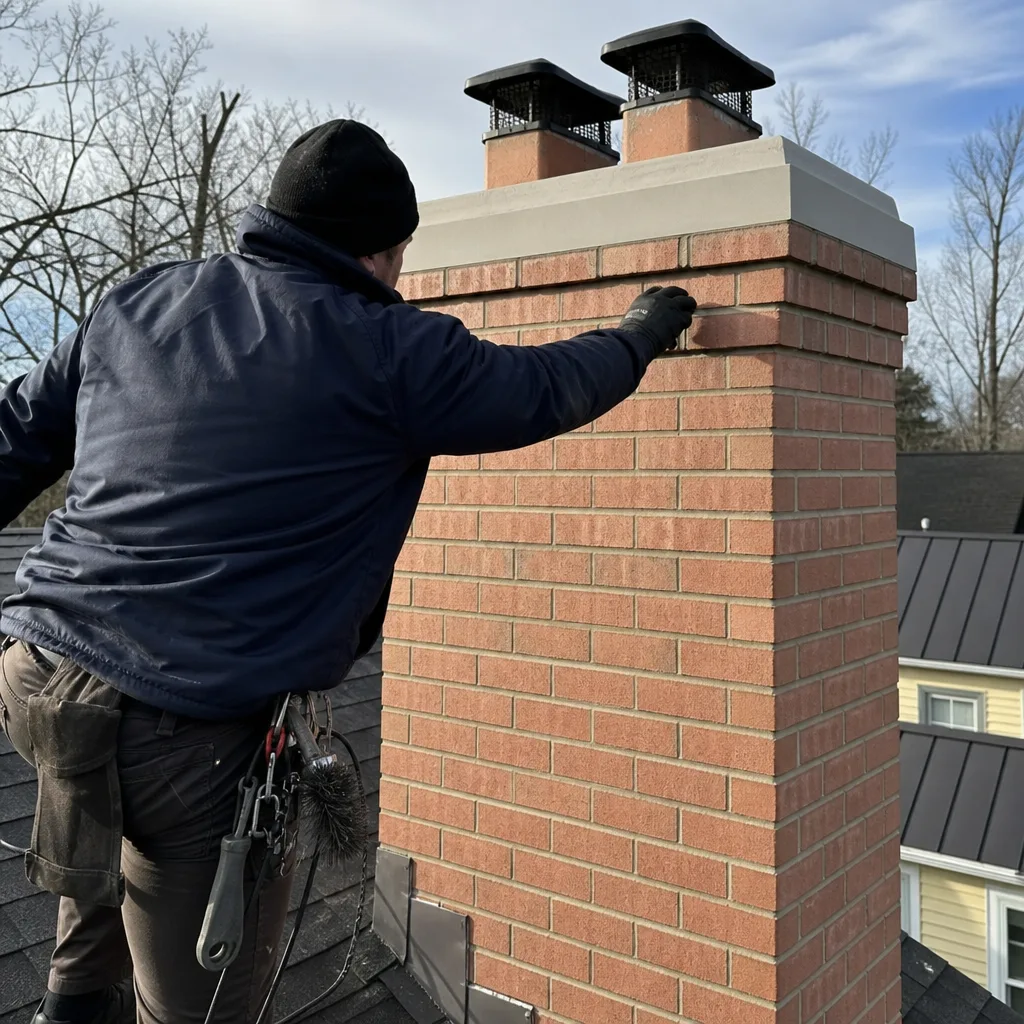 After
AfterChimney Cleaning Cost Breakdown: The Annapolis Homeowner’s Reference for 2026
A $99 chimney cleaning and a $299 chimney cleaning can both be honest quotes for completely different services. The $99 version usually skips the camera scan that finds the cracked flue tile before it becomes a $14,000 house fire. This guide breaks down exactly what a chimney service in Annapolis costs, line by line, so you can compare two written quotes and know precisely what each one is buying. We’ll walk through the real price drivers in this market, the hidden cost of a flashlight inspection, and how to read a written estimate the way an insurance adjuster would.
Quick Answer
A full-scope chimney cleaning and Level 2 camera inspection in Annapolis runs $289 to $449 in 2026, depending on fireplace type, flue height, and creosote stage. A bare-bones sweep without camera documentation costs $99 to $150 and typically excludes the inspection that identifies liner cracks, clearance violations, and moisture damage. The difference between the two is not quality of sweeping; it’s whether anyone looks inside the flue with a camera and gives you a written record of what they found.
Table of Contents
- The Line-Item Anatomy of a Full-Scope Chimney Service
- What Drives Price Variation in the Annapolis Market
- The Hidden Cost of the Low-Price Inspection
- Warranty Economics: What a Written Workmanship Warranty Is Actually Worth
- How to Use a Written Quote as a Negotiating Document
- Creosote Classes and Why They Change the Price
- Common Mistakes to Avoid
- When to Call a Professional
- Frequently Asked Questions
- The Bottom Line
BeforeAfterThe Line-Item Anatomy of a Full-Scope Chimney Service
When a chimney company in Annapolis hands you a written price, it should read like an itemized invoice, not a single number scrawled on a business card. In our experience across Level Two Chimney Annapolis home service area, a complete chimney cleaning and inspection breaks into four components. Each has its own market price range in Anne Arundel County, and each answers a different question about what you’re actually paying for.
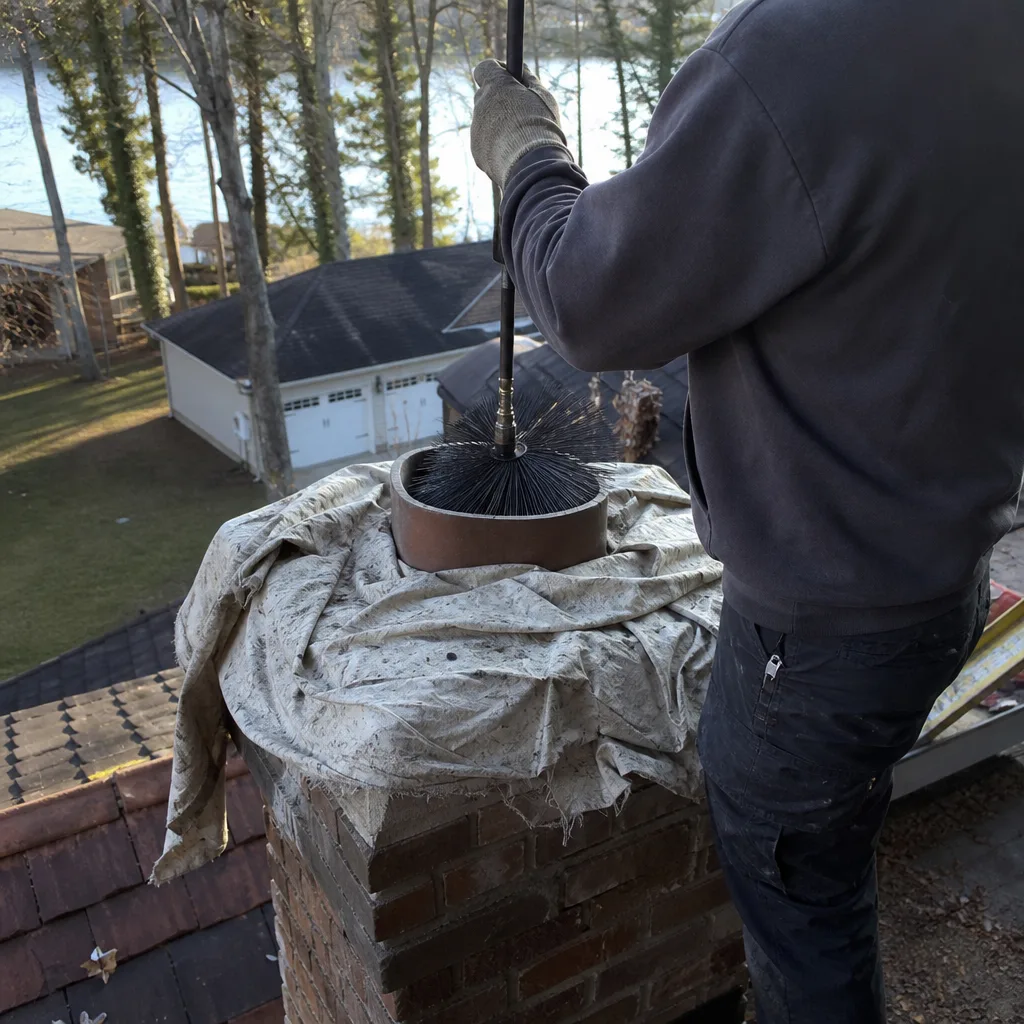
Base sweep: $89-$149. This is the physical work of running brushes through the flue, removing creosote from the smoke chamber, and cleaning the firebox. A straight masonry fireplace with an uncapped flue and light creosote falls at the bottom of this range. A prefab insert with interior components that require disassembly lands at the top.
Level 2 camera inspection: $150-$250. The technician runs a video camera up the entire flue, looking at every flue tile from the firebox to the crown. This is the only way to see a cracked tile, a separated mortar joint, or a hidden animal nest before it becomes a fire hazard. NFPA 211 names this a Level 2 inspection and requires it when the home changes hands, when the fireplace has not been used for a season, or after a chimney fire. A Level 2 inspection is also the baseline for our own documentation standard; Chimney Cleaning & Sweep in Annapolis always includes a camera scan on every visit, without exception. Clause 4 of the Haven Standard requires a photo record on every job, and that practice has been continuous in this shop since 2009.
Written report with photos: $0-$75. Some companies charge extra for a report you can actually read. Others include a typed summary with still photos from the camera scan as standard. A written report should state the creosote class, liner material and condition, crown integrity, and any recommended work, in plain language. If a company cannot produce a written record after the job, you have no documentation for an insurance claim and no evidence for a future home sale disclosure.
Documentation archive: included or not offered. This is the least understood line item in chimney pricing. A documentation archive means the company keeps a dated record of your chimney’s condition, with photos, so next year’s service can be compared against it. If a crack was visible but stable in March 2026, and by March 2027 it has widened, that comparison changes the recommendation. Companies without an archive start from zero every visit. We have archived more than 38,000 chimney inspections and cleanings since 2009, every one with a written price before work started and a documented record when it was done.
When you see a flat rate, ask what is inside it. A $99 “cleaning” that excludes the camera scan, excludes the written report, and leaves no documentation is not the same service as a $349 full-scope job. The line items are how you tell the difference.
What Drives Price Variation in the Annapolis Market
Annapolis chimney pricing varies by roughly a factor of three for work that sounds identical over the phone. That range is not random, and it is not usually markup. It reflects four structural variables specific to this area’s housing stock and seasons.
1. Fireplace type: masonry versus prefab insert
Masonry fireplaces, common in downtown Annapolis and the older streets of Eastport, have a full brick or block chimney with a clay tile flue liner. Before scheduling work, homeowners should understand Chimney Cleaning Permits, Codes & Inspections in MD: What You Need to Know. Cleaning is straightforward, but the liner is the part that cracks, and a cracked clay tile is a fire hazard. Prefab metal inserts, far more common in the 1990s and 2000s neighborhoods like Hunt Meadow and Annapolis Cove, are shallower and easier to clean but have more components that can corrode. Prefab systems also carry stricter clearance-to-combustibles requirements, so the inspection portion often takes longer and drives the price toward the top of the range.
2. Flue height and roof access
A two-story colonial in Hillsmere with a steep 8/12 roof pitch costs more to service than a single-story rancher in Parole with a walkable roof. Flue height determines how much rod assembly the tech needs, and roof access determines setup time and safety equipment. Both are legitimate price drivers. A chimney that requires a ladder standoff, a roof anchor, and a fall-arrest harness is not priced the same as one you can reach from a stepladder.
3. Last service date
A chimney cleaned every year takes 45 to 60 minutes. A chimney that has not been touched since the previous owner bought the house in 2016 can take two to three hours. The creosote is harder, the flue needs more passes, and the inspection takes longer because the tech is looking at five years of accumulated damage rather than one year of normal use. “Last service date” is the single most common reason two neighbors in Annapolis pay different prices for the same house model on the same street. If you are unsure when your chimney was last serviced, review our Chimney Cleaning Warning Signs: A Annapolis Homeowner’s Reference Guide.
4. Creosote stage
Creosote is not one substance. It is a spectrum, and where the buildup sits on that spectrum changes the price. A light, sooty dust (first-degree) brushes off easily. A shiny, tar-like glaze (third-degree, or Class III) bonds to the flue wall and requires mechanical removal, sometimes chemical treatment first. In our experience, third-degree creosote appears most often in Annapolis homes that burn unseasoned wood from big-box stores, or that burn soft pine in a fireplace that is really a wood stove flue. Class III creosote is the material that fuels chimney fires, and it is the reason a cheap sweep on a heavy-glaze chimney is not saving money; it is deferring a bigger cost.
The Hidden Cost of the Low-Price Inspection
The most expensive chimney cleaning in Annapolis is the one that finds nothing because it looked for nothing. A flashlight inspection from the firebox cannot see the upper third of a flue, cannot see the mortar joints behind a bend, and cannot see a hairline crack that is invisible even in direct light. What it misses is exactly what burns a house down.
Here is the arithmetic. A $99 sweep that skips the camera scan saves roughly $200 versus a full-scope service. If the flue has a cracked tile that the camera would have caught, and that crack ignites creosote in the wall, the insurance claim is typically $10,000 to $25,000 for a partial house fire. The difference in inspection cost is 1 to 2 percent of the claim. That is not insurance language; that is the actual loss ratio in Anne Arundel County fire reports.
There is a second cost that is quieter but matters a great deal in Annapolis real estate. Maryland home sale disclosures require sellers to list known chimney defects. If you skipped the camera inspection and sold the house, you did not know. If the buyer’s inspector finds the crack and the fire happens after closing, the liability conversation includes when the seller should have known. A documented photo record from a camera scan, dated and archived, is the evidence that shifts that conversation. Clause 4 of the Haven Standard exists precisely because a written record is the difference between “we told you” and “you should have seen it.”
Insurance companies have begun asking the same question. A homeowner filing a chimney-related claim without a prior inspection record may face a slower claim or a denied extension of coverage. A $200 camera scan is, dollar for dollar, the cheapest insurance documentation you can buy for a house in Annapolis.
Warranty Economics: What a Written Workmanship Warranty Is Actually Worth
“We guarantee our work” is worth roughly nothing unless the guarantee is on paper, names the work performed, states the term, and identifies who is responsible for honoring it. A verbal assurance does not survive a bad memory, a phone number change, or a dispute. This is the entire meaning of Haven Standard Clause 1, H.A.V.E.N. “Have it in writing”: a written price, written scope, and written warranty are delivered before anyone starts a job. Not after.
Ask the three questions that determine whether a warranty is enforceable:
- What is covered? A workmanship warranty covers the labor performed, not the next decade of weather. It should name the work: “flue cleaning,” “crown repair,” “liner installation.” If it does not name the work, it does not cover the work.
- What is the term? Twelve months is the floor for most residential chimney work. Liner systems installed with materials from brands like DuraFlex or HeatShield often carry manufacturer warranties of 10 to 25 years on materials, with the installer’s workmanship warranty on top. Ask for both documents, not a summary.
- Who enforces it? If the answer is “we’ll take care of you,” ask for that in writing with a name attached. If a company cannot put its warranty in written form, the warranty is the salesperson’s optimism, not a contract.
A workmanship warranty is not a nice-to-have. It is the economic mechanism that converts a bad installation into a correction instead of a second full-price repair. In dollar terms, a written one-year workmanship warranty on a $4,000 liner job is worth roughly $4,000 if the liner fails in month eleven. A verbal one is worth nothing.
Our own standard is the 365-Day Done Right Promise: if it’s not done right, we make it right. It is stamped on every job under the Haven Standard, and it costs the homeowner nothing extra because it is already priced into the scope. That is what a warranty should be: a line item you can read, not a promise you have to remember.
How to Use a Written Quote as a Negotiating Document
A written quote from a chimney company in Annapolis is not a take-it-or-leave-it number. It is a statement of scope with fixed and variable components, and the way you read it determines whether you get a fair price. Here is the structure we recommend to every homeowner who asks us how to compare estimates.
- Separate fixed from estimated items. A base sweep and a camera inspection are typically fixed. A liner repair quote before inspection is an estimate, not a fixed price, because nobody knows the exact liner length until the camera measures it. If a quote lists “liner repair: $2,800” without stating that the price is pending inspection, it is a guess, not a bid.
- Circle anything that says “as needed” or “if required.” These are the lines that become surprise change orders mid-job. Ask the company to state, in writing, what triggers each as-needed line. “Crown repair as needed” should read “crown repair if spalling exceeds 25% of the crown surface, $450 fixed.” That is a price you can plan for.
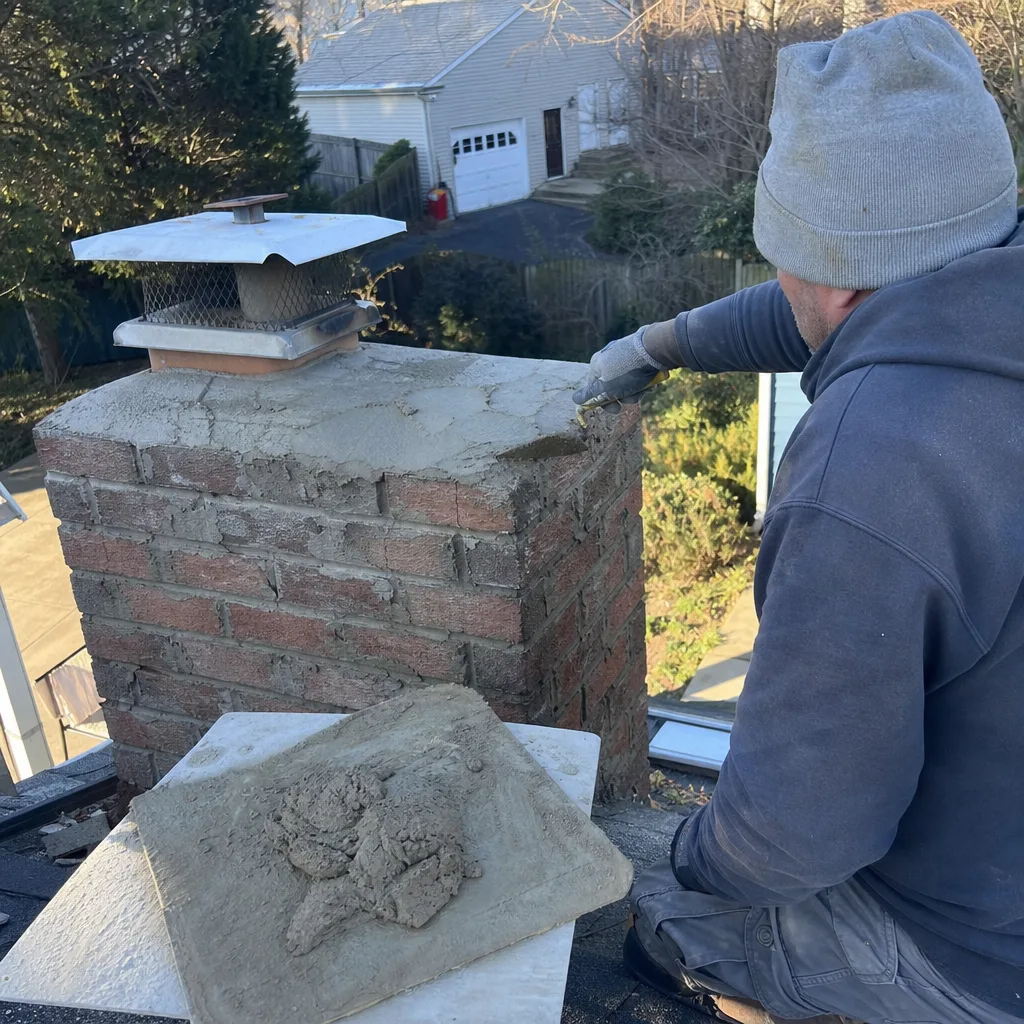
- Ask for the trigger language on every line. If a quote says “chimney cap: $180,” ask what installation means. Does it include removing the old cap, sealing the flue, and fastening to the crown? Or is it a part price with labor unspecified? Annapolis humidity and salt air mean exterior metal components corrode faster than inland; a cap installed without proper sealing fails three years sooner. The quote should say what is included.
- Bring the competitor’s quote. A serious company will look at it. We offer a Free Second Opinion on any written estimate in Annapolis, and the point is not to undercut the number; it is to compare the scope line by line. A $249 quote with no camera scan is not a better deal than a $349 quote with a camera scan; it is a smaller scope. The way to know is to put both quotes side by side and match the line items.
The goal of reading a quote this way is not to nickel-and-dime a contractor. It is to know, before work starts, what the final number will be and what evidence will exist when the work is done. A quote that does not give you that is not a price; it is an opening move.
Creosote Classes and Why They Change the Price
Creosote is the byproduct of incomplete wood combustion. It condenses on the flue wall as smoke cools, and it ranges from a light dust to a hardened tar glaze. The chimney industry uses three classes, and they are the single biggest reason two identical Annapolis chimneys get two different cleaning quotes.
Class I: dusty soot
This is the condition of a chimney that is cleaned yearly and burned with seasoned hardwood. It brushes off in one pass, the flue shows no glazing, and the price stays at the bottom of the range. If your last cleaning was within 12 months and you burn oak or hickory that has dried for a year, this is probably your chimney.
Class II: flaky or granular
Flaky creosote forms when the chimney is cleaned every two to three years, or when the homeowner burns a mix of seasoned and semi-seasoned wood. It takes two or three brush passes and sometimes a rotary whip. Price goes up 15 to 30 percent over a Class I clean. This is the most common condition we find in Annapolis homes that use the fireplace for occasional weekend fires rather than nightly burns.
Class III: tar glaze
Class III creosote is a hardened, shiny glaze that bonds to the flue tile. It is not removed by brushing alone; it requires a chemical treatment or mechanical removal with a rotary chain or a specialized loop. The price for a Class III chimney runs 50 to 100 percent above a base sweep, and it is justified by the time and material involved. But the more important issue is that Class III creosote is the fuel for chimney fires, and a camera scan is the only way to know if the glaze has already cracked a flue tile. In our experience across Annapolis, Class III creosote is most common in homes that burn unseasoned wood, burn softwood like pine or spruce, or have a wood stove vented into a masonry flue rather than a dedicated liner. If you have not had the chimney swept in four or more years, plan for a longer, more expensive cleaning, and expect the camera to earn its fee.
Common Mistakes to Avoid
- Choosing by bottom-line price only. A $99 quote and a $349 quote are often two different scopes. Compare line items before comparing totals.
- Skipping the camera because “it was fine last year.” Flue tiles crack in a single season, especially in Annapolis where freeze-thaw cycles work the mortar joints every winter. Last year’s clean does not certify this year’s liner.
- Accepting a verbal quote. A price that is not in writing before work starts is an opening position, not a commitment. The Annapolis housing market is expensive; do not buy chimney work on a handshake.
- Ignoring the roof access question. Some low quotes assume an easy roof. If your Annapolis home has a steep pitch or a two-story flue, the tech will adjust the price on site, and you will be mid-job with a changed number.
- Burning unseasoned wood to save money. Wet wood burns cooler, creates more creosote per fire, and turns a $150 annual sweep into a $300 Class III clean with a possible liner issue. Seasoned oak costs more per cord but less per fire.
- Not asking about documentation. A chimney service without a written report and photo record leaves no evidence for insurance, no reference for next year, and no paper trail for a future home sale. Ask what you walk away with before you book.
- Assuming all liner brands are equal. They are not. The reputable brands in this market include DuraFlex, HeatShield, Famco, and Copperfield, and the material spec should be on the quote. A liner with a manufacturer warranty is worth more than a generic “stainless liner” with no provenance.
When to Call a Professional
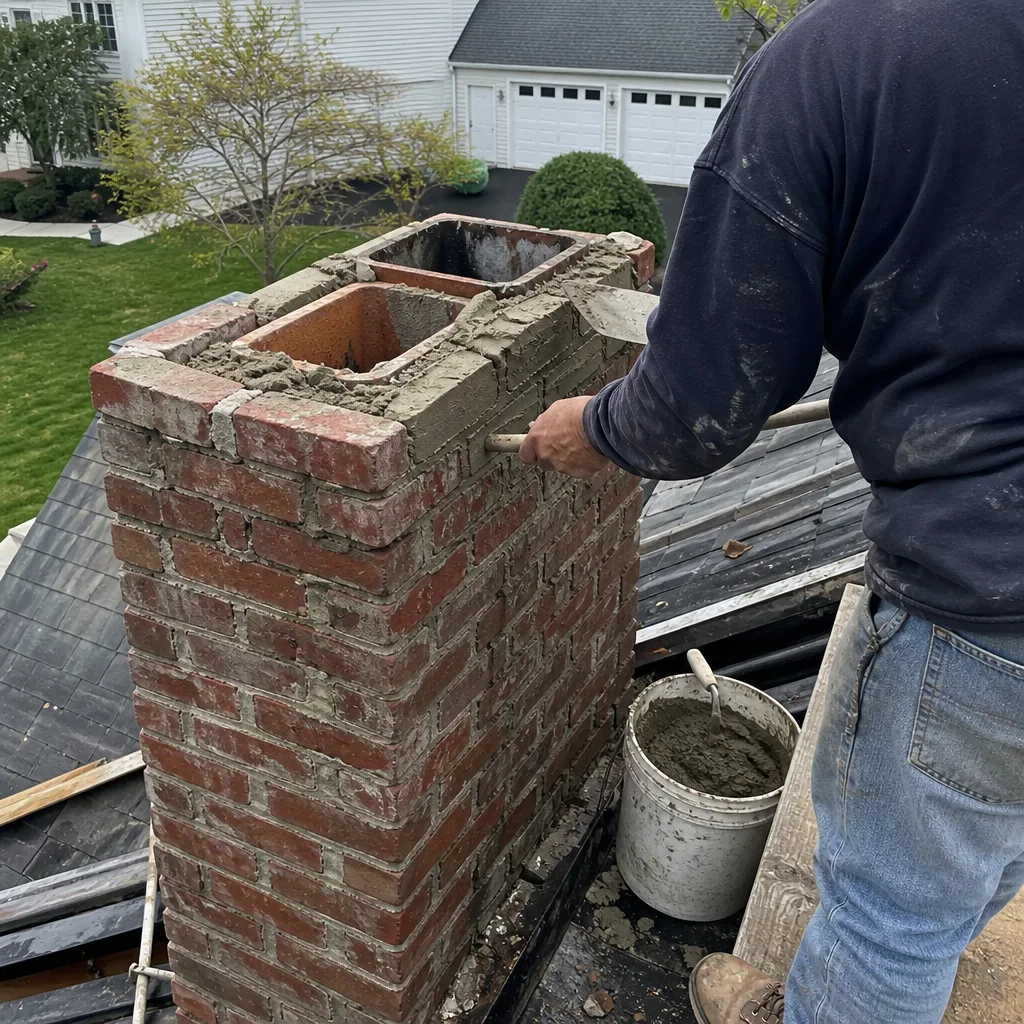
Call a professional when any of these apply: your chimney has not been swept in more than two years, you see black glaze on the fireplace walls when you shine a flashlight up, you smell a smoky odor inside the house that does not go away, you hear water dripping in the chimney during a rain, or you are buying or selling a home in Annapolis and need a documented Level 2 inspection for the transaction. If you see cracked or spalling brick on the exterior of the chimney, or pieces of tile in the firebox after a storm, call sooner. These are not cleaning issues; they are structural signals. Chimney Repair in Annapolis covers cracked liners, crown repair, and rebuild work, and the sooner a repair is documented, the cheaper it is to fix. Level Two Chimney Annapolis offers free estimates in Annapolis, call (443) 274-4231.
Frequently Asked Questions
A chimney sweep in Annapolis runs $99 to $149 for the brush work alone, and $289 to $449 for a full-scope service that includes a Level 2 camera inspection, a written report, and a documented photo record. The higher number is not a markup; it is the cost of actually seeing inside the flue. Call (443) 274-4231 for an exact quote; estimates are free and delivered in writing before any work starts.
You need a camera inspection if you want to know the condition of the flue liner, and a brush alone cannot tell you that. A flashlight from the firebox shows the lower few feet of the flue and nothing above the smoke chamber. The part that cracks is the upper flue, and the crack is what starts chimney fires. If the flue has not been camera-scanned in three years or more, the camera is the cheapest part of the service relative to what it finds or rules out.
The National Fire Protection Association standard is once per year, or once per cord of wood burned, whichever comes first. Most Annapolis homeowners who burn only weekend fires from November through February can go 12 months between sweepings. A chimney used every night through the winter, or one burning unseasoned wood, may need two sweepings per season. The way to know is to have the creosote class measured and documented, then set the next service date from the measurement rather than the calendar.
Creosote accumulates, hardens into a tar glaze, and eventually becomes the fuel for a chimney fire. A chimney fire can crack the flue liner, and a cracked liner allows heat and flame into the wall cavity where it reaches framing. That is the mechanism behind most chimney-related house fires in Anne Arundel County. Outside of fire risk, a neglected chimney also lets moisture in through a failed crown, and moisture is what turns a $200 sweep into a $2,000 repair. Fireplace Services in Annapolis covers the full range of what a neglected chimney becomes, and the short answer is: skipping a sweep does not save the cost of the sweep; it defers it into a larger bill.
A Level 2 inspection is a camera scan of the entire flue, from firebox to crown, plus an exterior check. It is the standard required by NFPA 211 when a home changes hands, when the fireplace has been unused for a full season, when a chimney fire has occurred, or when the use of the fireplace changes, such as converting from a gas log to solid fuel. We perform a Level 2 camera inspection on every service visit in Annapolis, on every chimney, without exception.
Annapolis prices vary because companies are quoting different scopes with the same words. A “cleaning” that includes a camera scan, a written report, and a photo archive costs $300 or more. A “cleaning” that is a brush through the flue and a handshake costs $99. Both are honest for what they are, but only one gives you evidence. Request the line-item breakdown from any company before you compare numbers, and ask whether the camera is included. That question alone will resolve most of the price confusion in this market.
The Bottom Line
Chimney cleaning in Annapolis costs $289 to $449 for the full-scope service that includes a camera scan and a written record, and the difference between that and a $99 brush-and-leave is not polish; it is evidence. The camera finds cracked tiles and Class III creosote before they become fire claims and sale liabilities. A written price before work starts, a written warranty, and a documented photo record are not premium add-ons; they are the three documents that make the price worth paying. If you have not had the flue looked at with a camera in the last two years, start there. The cheapest chimney service is the one that finds the problem while it is still a $200 fix.
Written by Corrine Halstead, Owner at Level Two Chimney Annapolis, serving Annapolis since 2009.