
Last updated September 20, 2026
Level 1 sweep and inspection to the NFPA 211 annual standard - flue, crown, cap, and flashing checked and photographed
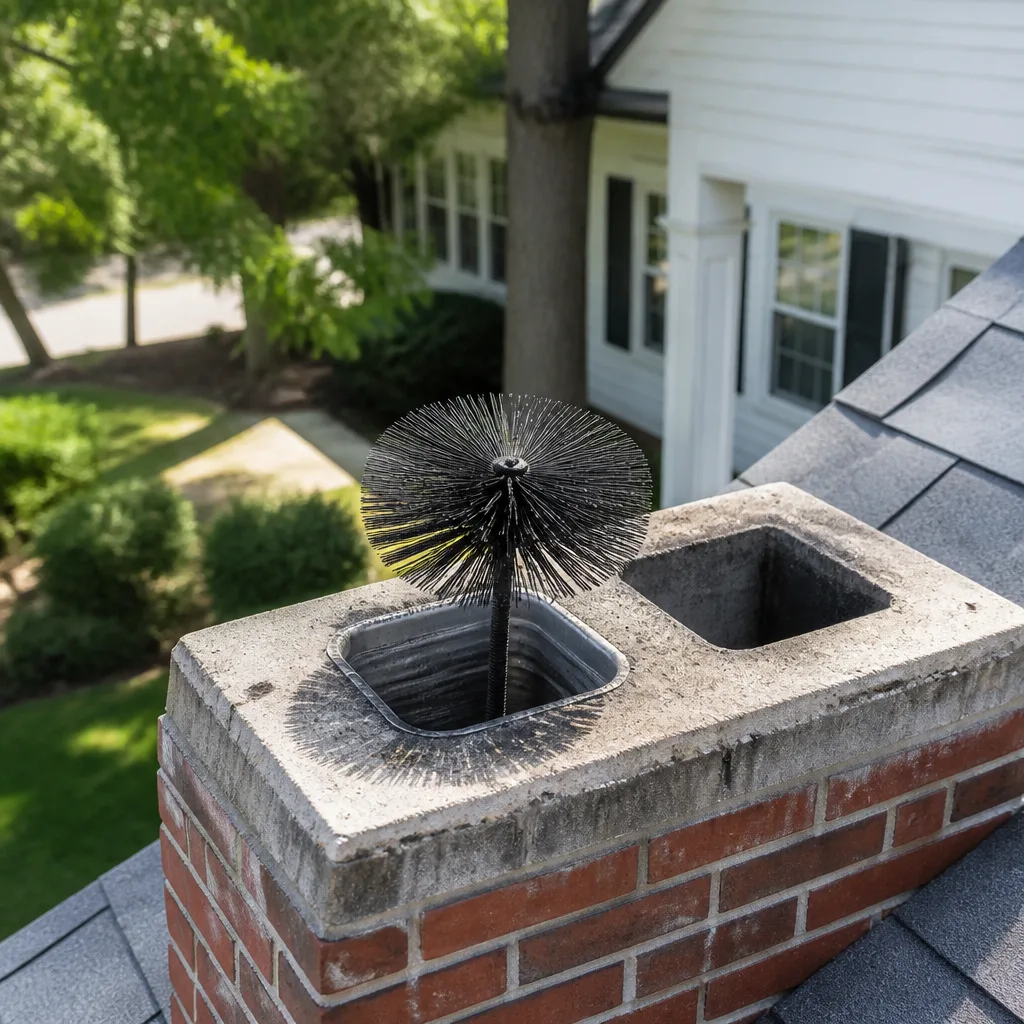
Chimney sweep logs do not sweep chimneys. They loosen some creosote - which then falls where a brush and vacuum still have to collect it.
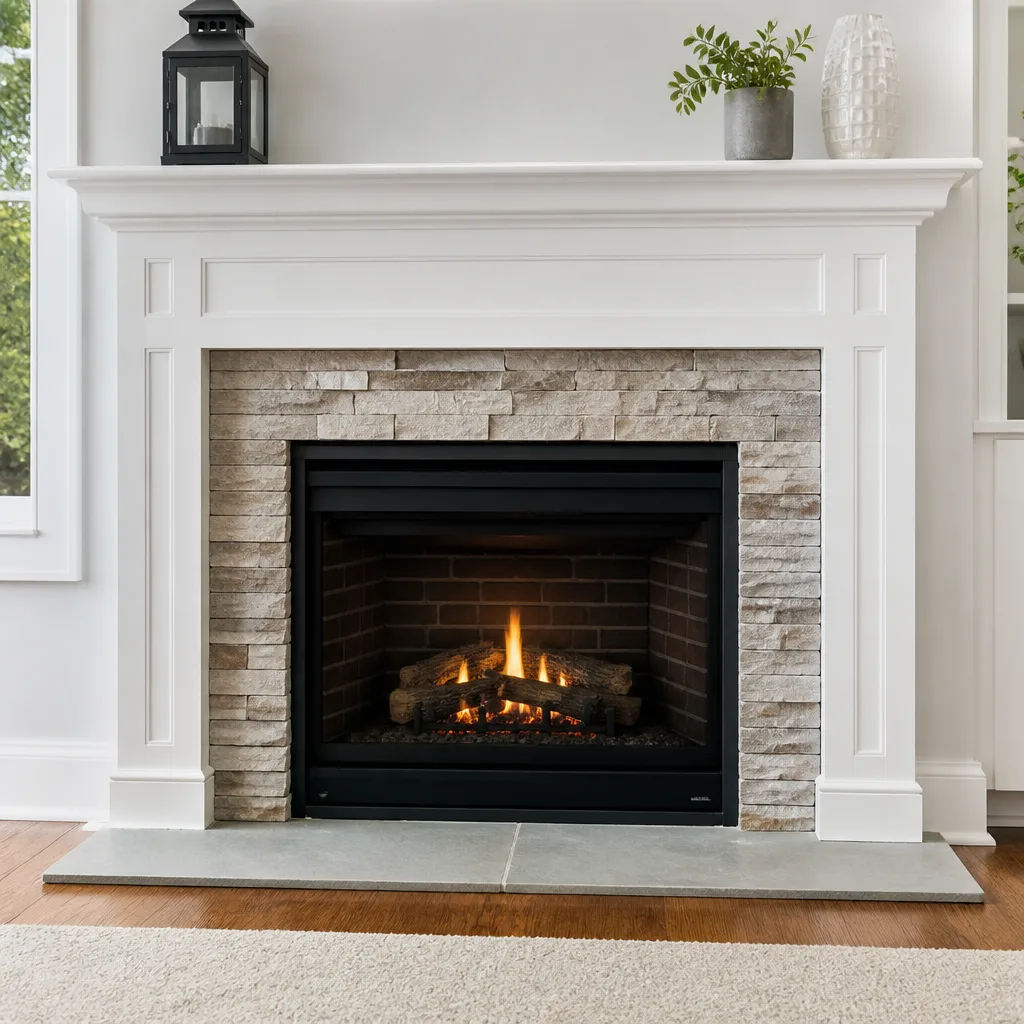
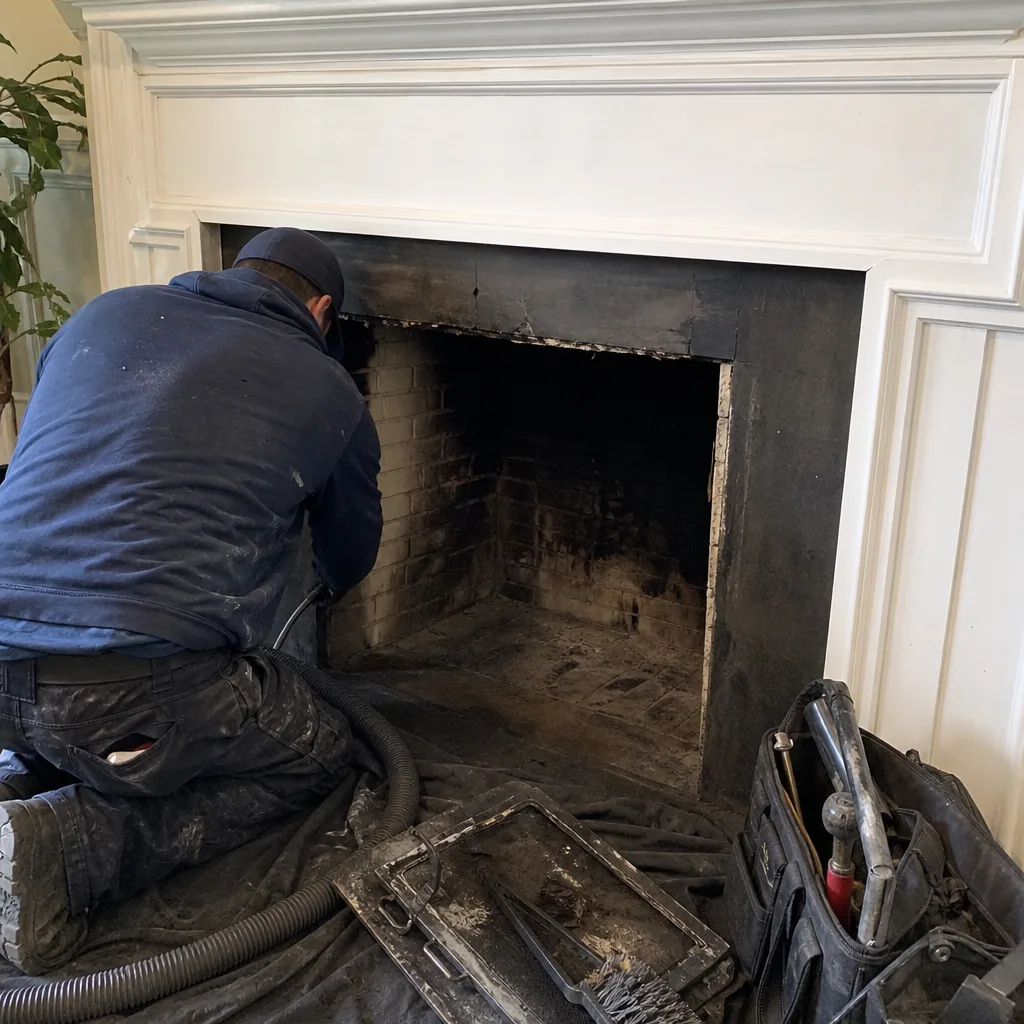 Before
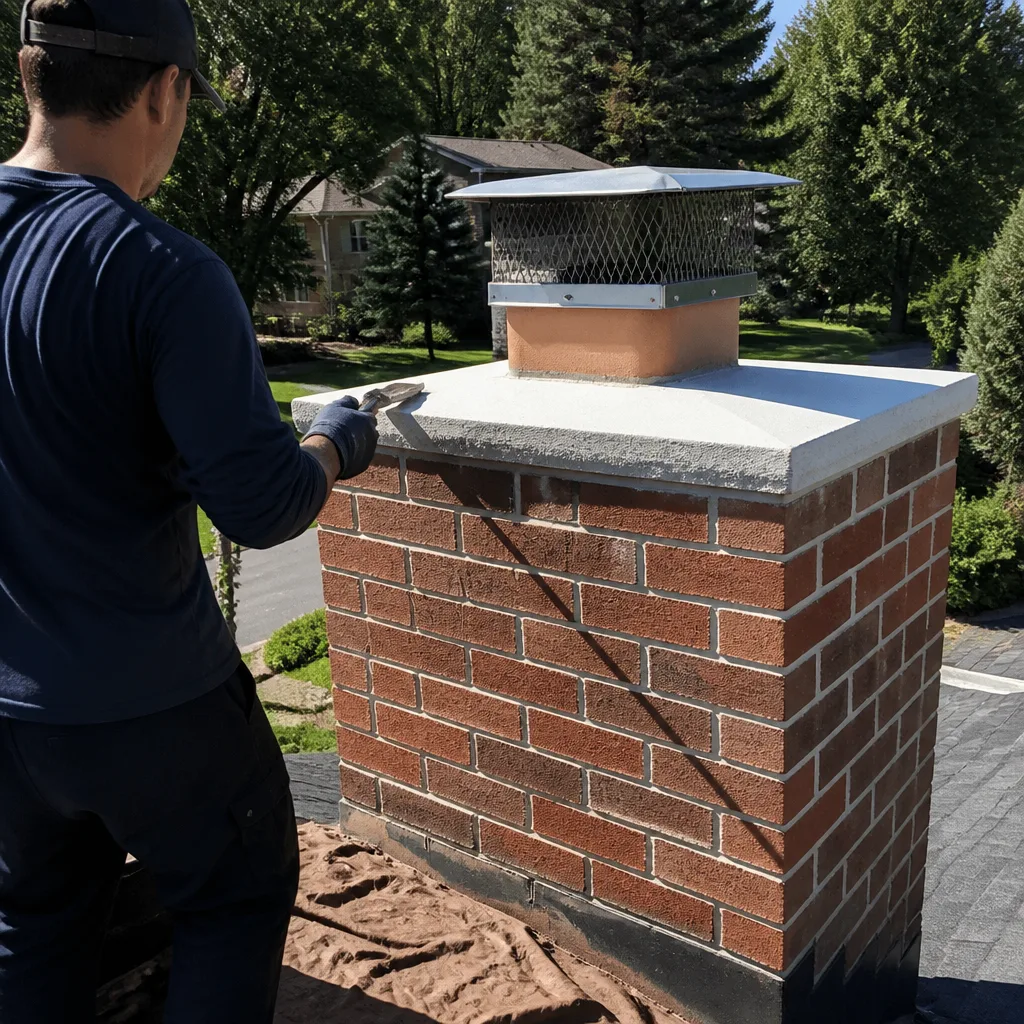 After
After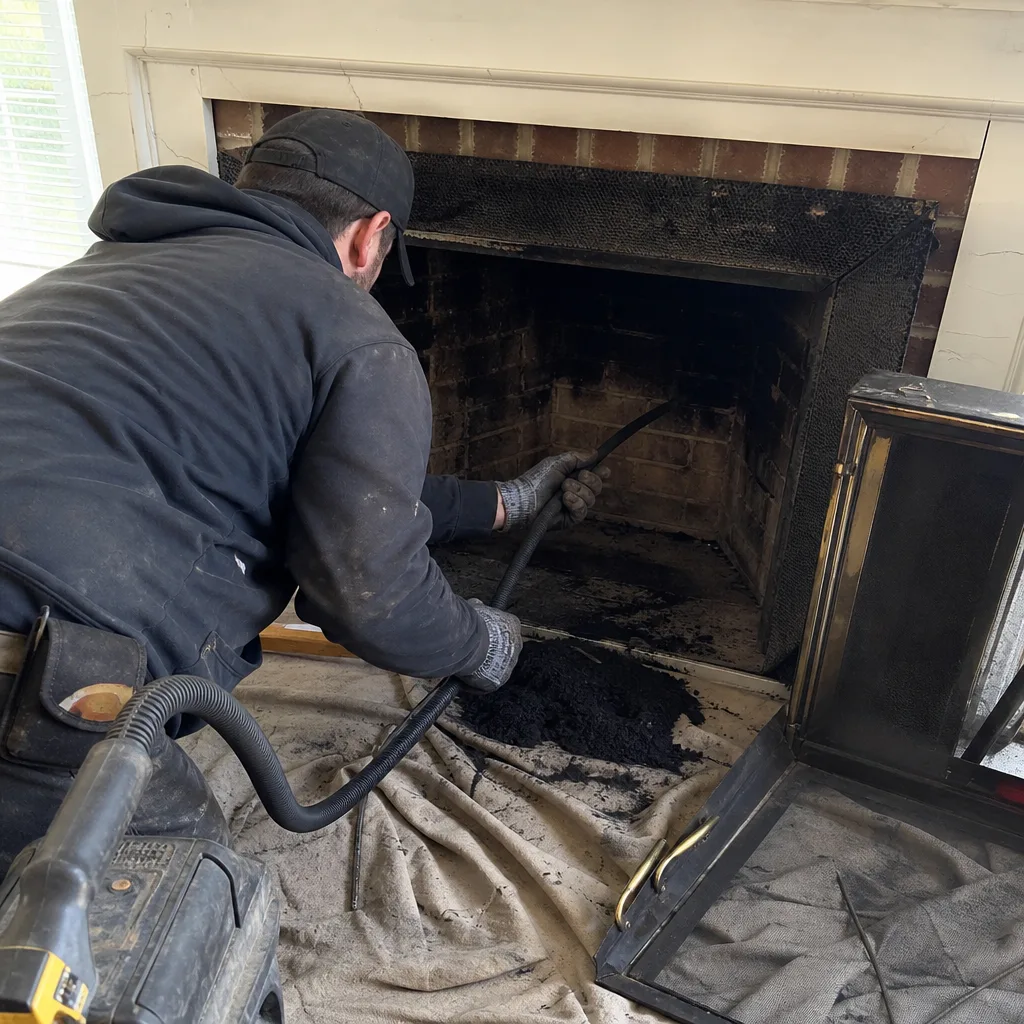 Before
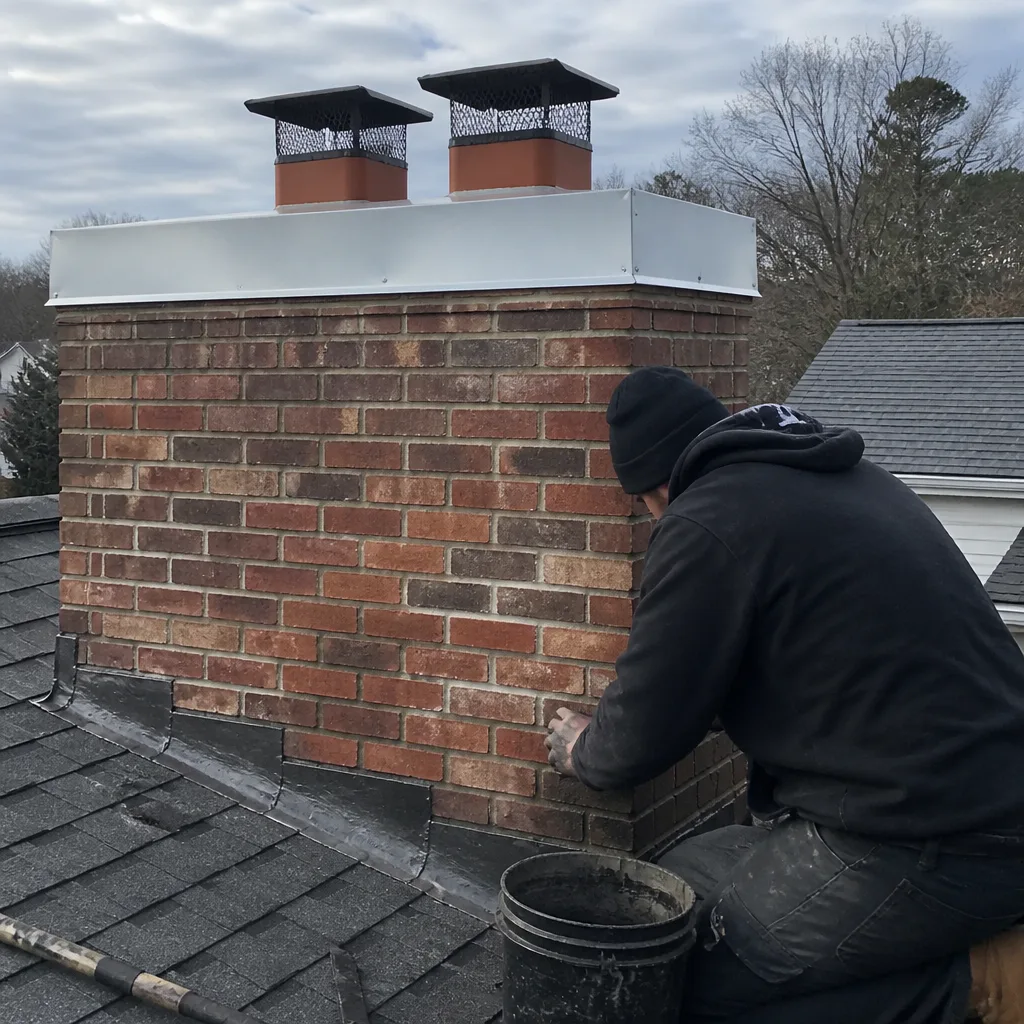 After
After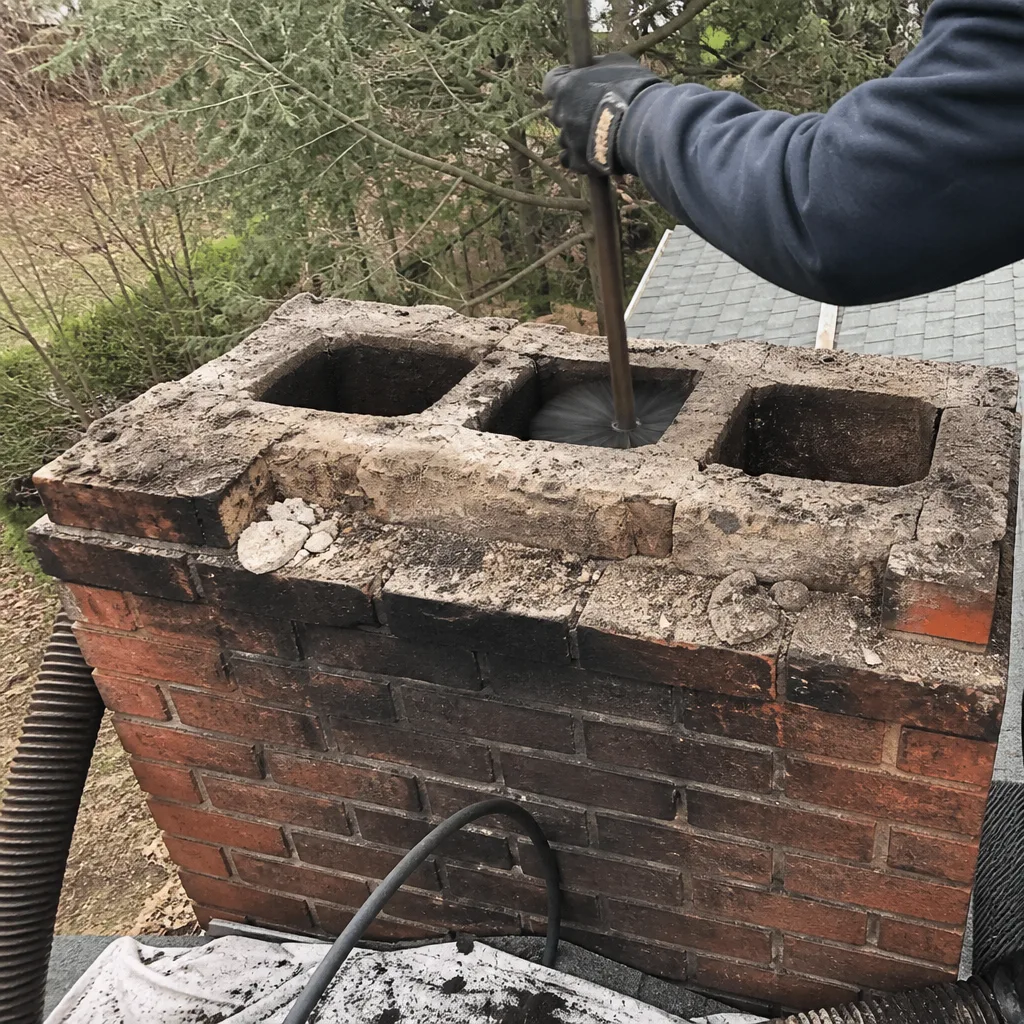 Before
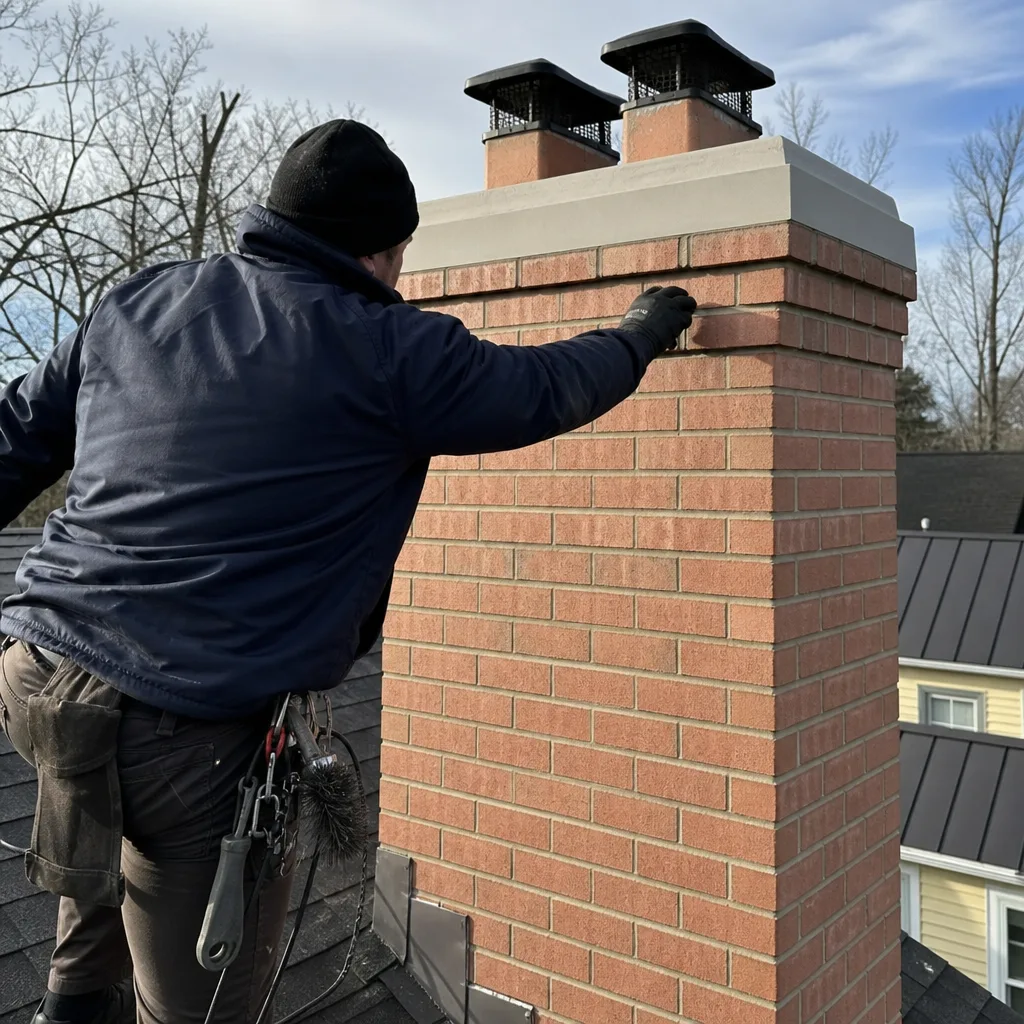 After
AfterSeasonal Chimney Cleaning Care for Annapolis: Year-Round Homeowner’s Guide
The most damaging month for an Annapolis chimney isn’t January. It’s August, when a cold flue sits unburned for weeks and Chesapeake Bay humidity works its way into every hairline crack in the mortar. By the time October’s first fire rolls through, that moisture has already done its seasonal damage, and nobody sees it until smoke starts backing up into the living room. This guide replaces the generic “sweep in fall, inspect in spring” advice with a real Annapolis calendar tied to actual weather patterns: salt air in June, nor’easters in March, humidity spikes in August, and mild winters that burn irregularly all season long. For more guides & resources on keeping your chimney safe year-round, explore our blog.
Quick Answer
Chimney care in Annapolis follows five seasonal windows, not two: a March-April post-winter inspection, a May-June moisture seal before summer humidity, a July-August salt-air and cap check, a September-October pre-burn sweep, and light January-February monitoring during mild winter use. The two windows homeowners miss most often are the pre-humidity seal in late spring and the post-storm flashing check 48 hours after any nor’easter, and both are when Annapolis chimneys sustain the most hidden damage.
Table of Contents
- March-April: The Post-Winter Inspection Window
- May-June: The Pre-Humidity Seal Window
- July-August: Salt Air, Summer Moisture, and the Cap Check
- September-October: The Pre-Burn Sweep (Done Right)
- November-February: Mild Winter Monitoring
- The 48-Hour Post-Nor’easter Flashing Check
- The Off-Season Scheduling Advantage
- Common Mistakes to Avoid
- When to Call a Professional
- Frequently Asked Questions
- The Bottom Line
BeforeAfterMarch-April: The Post-Winter Inspection Window
A chimney inspection in Annapolis should happen in late March or early April, not in September. Here’s why: by March, the flue has just spent three to four months cycling through Annapolis’s signature mild winter pattern, where temperatures hover in the 40s and 50s and homeowners burn fires irregularly. That irregular burning is the problem. When a fire burns hot and steady, creosote stays soft and the flue stays dry. When fires burn short and cool, which is what happens in a mild mid-Atlantic winter, the creosote condenses on the flue walls and then dries and hardens between burns.
What we see in Anne Arundel County after a mild winter is different from what a chimney in Vermont sees. Cold-climate creosote is thick, gummy, often Class II or Class III. Annapolis creosote is thin but flaky, a Stage 1 deposit that bakes onto the liner in sheets. It doesn’t look dramatic on a camera scan, but it’s exactly the kind of deposit that ignites when a homeowner finally builds a hot fire on a cold October night. By inspecting in March or April, you’re catching that deposit before it has six months to harden further and before it meets the season’s first hot fire.
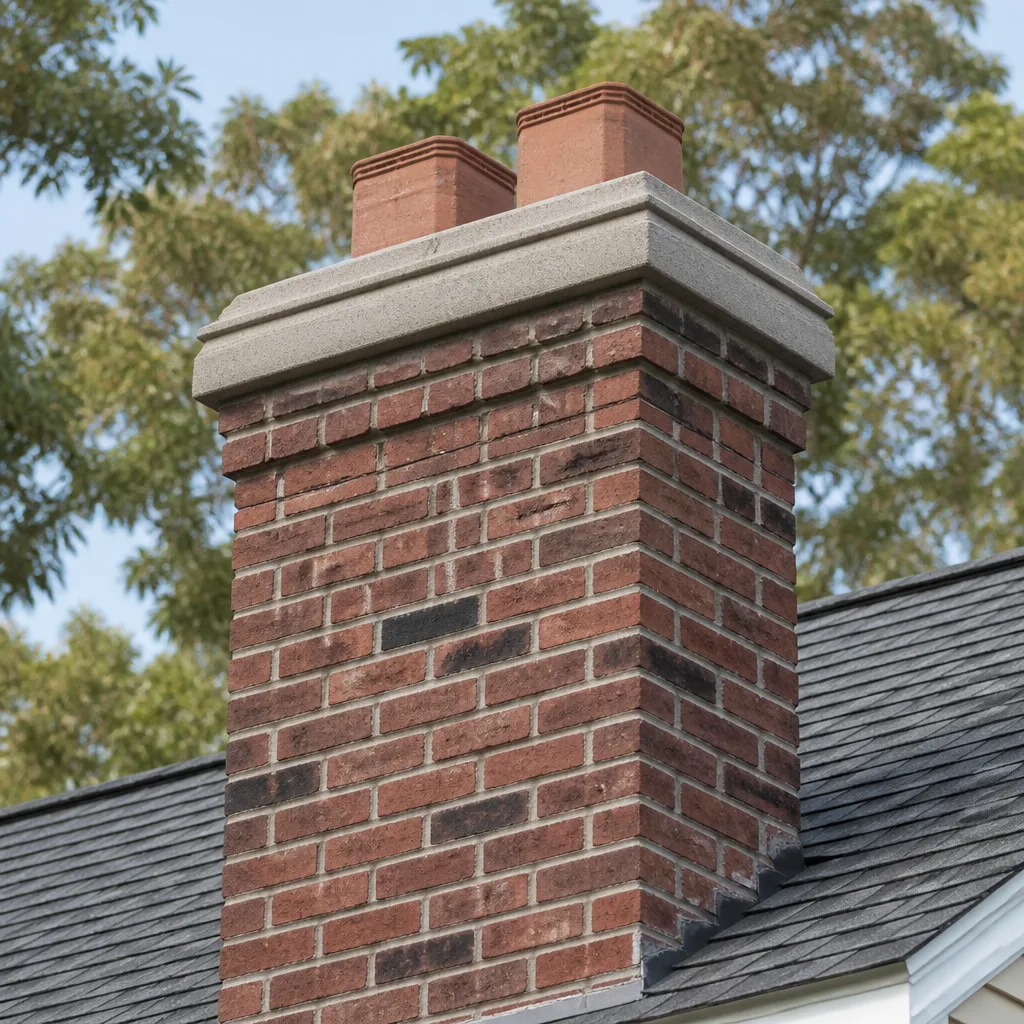
The March-April inspection is also the earliest window to catch freeze-thaw damage. Annapolis winters rarely get brutally cold, but the temperature crosses the freezing line often enough, usually 20 to 30 nights per season, that water in brick joints freezes and expands. The damage is never dramatic in one season. But over three or four seasons, it’s how a crown develops hairline cracks that eventually spill water into the chimney chase. Homeowners in Level Two Chimney Annapolis neighborhoods like Murray Hill, West Annapolis, and Hillsmere tend to have older masonry, and those houses are the first to show freeze-thaw spalling on the crown edge.
What the March-April Inspection Covers
- Flue liner condition: Camera scan down the flue to check for cracked tiles, gaps, or Stage 1 creosote sheets.
- Crown integrity: Surface cracks and hairline fractures from winter freeze-thaw cycles.
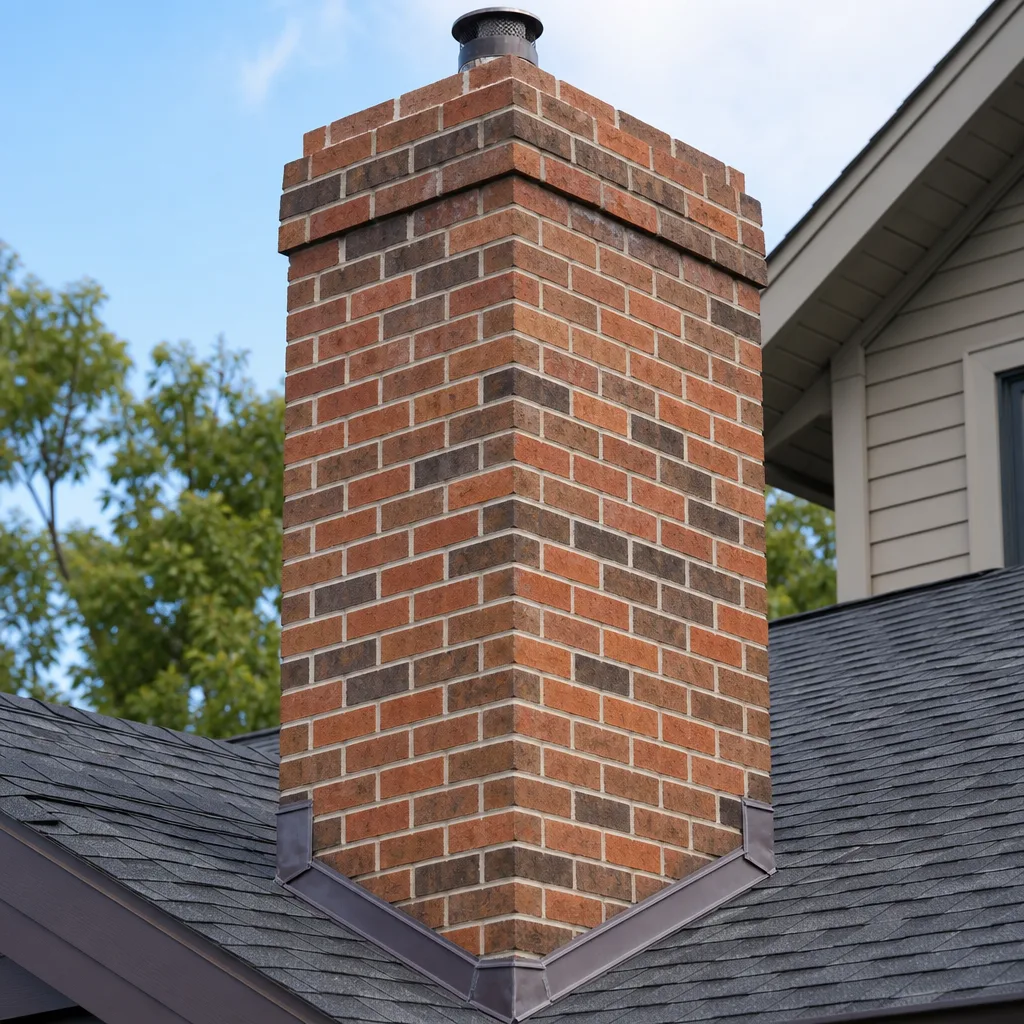
- Flashing and counterflashing: The metal seams where the chimney meets the roofline, which take a beating from winter wind and rain.
- Chase cover and cap: Rust or loosening from winter salt air and high wind.
- Damper function: A damper that won’t seat properly lets moisture rise up the flue all spring.
What you walk away with after this inspection matters. A proper Level 2 inspection under NFPA 211 includes a camera scan, and the photographic record that comes with it is what Clause 4 of the Haven Standard requires: a documented photo record on every job, so when someone tells you the crown needs replacing, you’re looking at the crack, not taking their word for it. That’s the standard Chimney Cleaning & Sweep in Annapolis has been working to since 2009.
May-June: The Pre-Humidity Seal Window
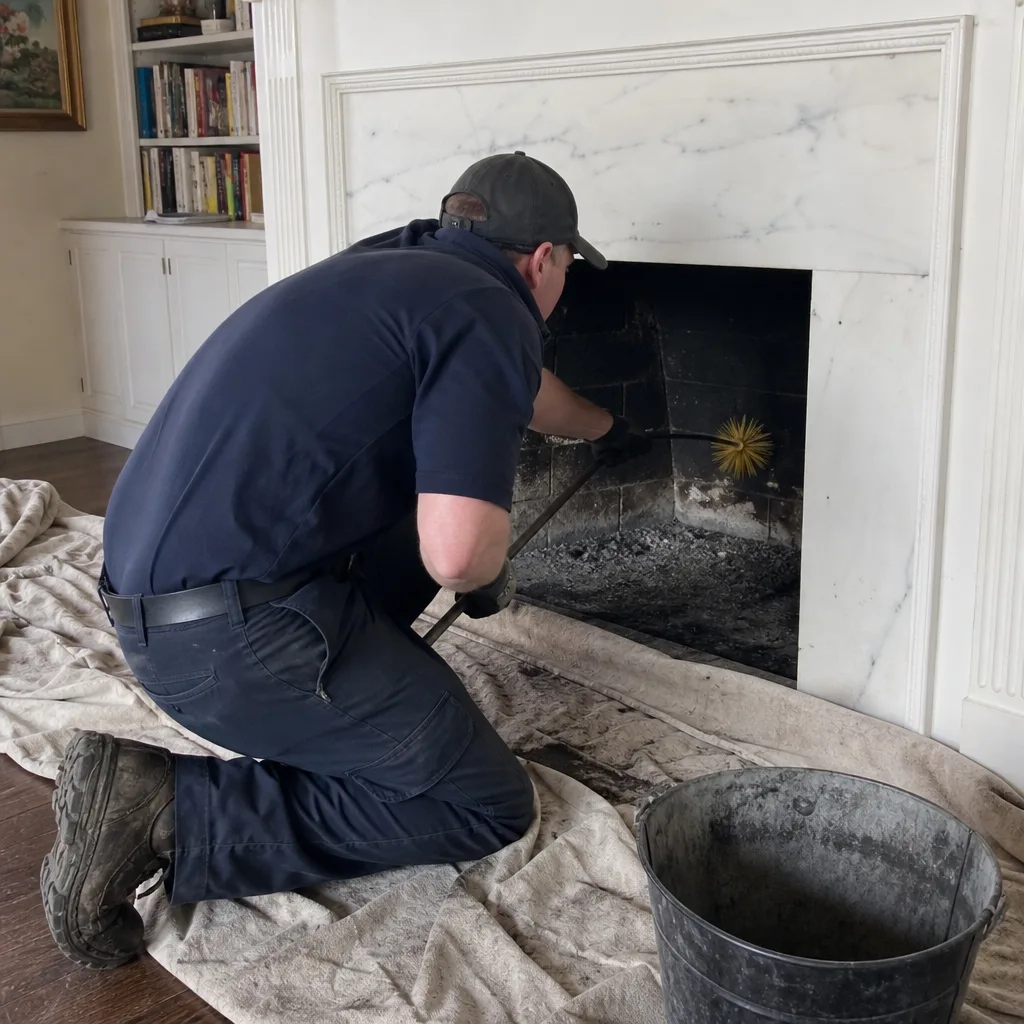
If there’s one window Annapolis homeowners skip more than any other, it’s May and June. The logic gap is understandable: nobody’s burning, so why think about the chimney? But May and June are precisely when the chimney is most vulnerable to moisture. Here’s the sequence. By late April, the flue has been cold for weeks. Any cracks in the crown, gaps in the flashing, or missing mortar joints are sitting there, open. Then June arrives, and Annapolis humidity climbs into the 80s and 90s. That humid air moves up the flue, condenses on the cold masonry, and soaks into every open crack. From June through September, the chimney is breathing wet air, every day, into its structure.
The fix isn’t complicated, but it is seasonal. Hairline crown cracks can be sealed before the humidity arrives. Flashing can be re-seamed. Gaps in the mortar joints, what masons call spalling, can be repointed while the masonry is dry and workable. Once the summer humidity sets in, the materials won’t cure properly, and the damage compounds through August. The May-June window is short, about six to eight weeks, and it’s the cheapest time of year to do this work.
One more May-specific task: check the chimney cricket. If your Annapolis home has a chimney wider than 30 inches, building code requires a cricket, which is a small peaked roof structure behind the chimney that diverts water around it. Homes in older neighborhoods like Eastport and Admiral Heights often have original crickets that have been patched with roofing tar, and tar fails in Chesapeake heat. When a cricket fails, water pools behind the chimney, and that’s how you get the brown ceiling stain around the fireplace in late fall. A visual check from the roof in May catches this before the summer rain season starts.
July-August: Salt Air, Summer Moisture, and the Cap Check
Back to the opening point: August is the most damaging month. It’s not dramatic, and that’s why it’s dangerous. Unburned flues in July and August are cool and damp inside, and Annapolis sits on a peninsula with the Severn River on one side and the Bay on the other. The air that moves through an unburned flue in August is warm, humid, and salty. That combination accelerates the corrosion of metal components, especially the damper, the cap, and the chase cover, and it accelerates the deterioration of mortar joints that are already holding moisture from June.
Here’s what a camera scan in July or August catches that a flashlight look misses. In a dark flue with a flashlight, moisture-damaged mortar looks like normal firebox staining. With a camera, the story is clear. You can see the efflorescence, the white mineral deposits where water has moved through the masonry. You can see the spalled surface where the flue liner is shedding. And you can see the rust on the damper plate. These are exactly the conditions that put an Annapolis chimney three months behind schedule when October arrives.
The specific summer checks for a salt-air environment:
- Chimney cap inspection: The cap is the metal cover at the top of the flue. In Annapolis, caps rust faster than in inland Maryland. A rusted cap is a water entry point and, just as important, a spark arrestor that no longer works. A missing or deteriorated cap is the most common issue we find on summer inspections.
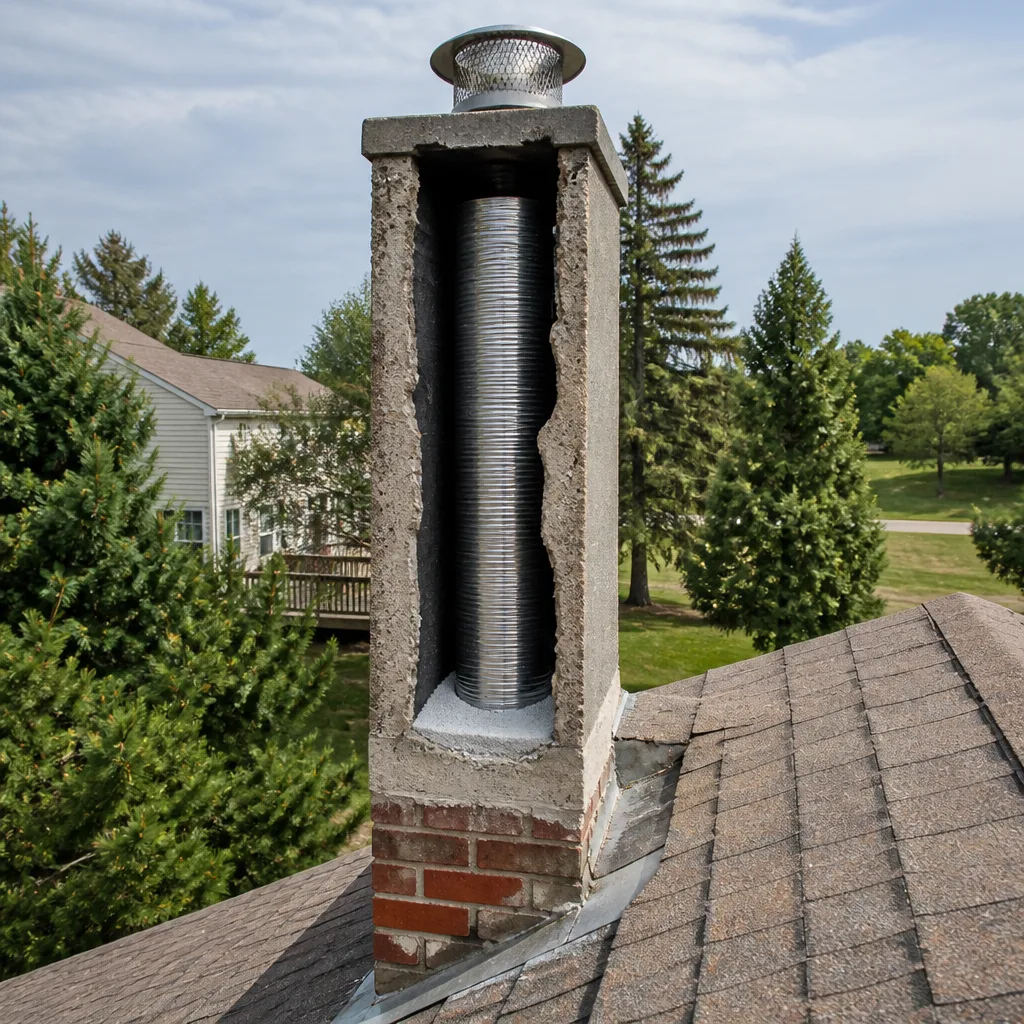
- Chase cover condition: If you have a prefabricated chimney, the chase cover is the metal top that seals the wood framing. Salt air eats these things, especially around the seams where they’re screwed down. A rusted chase cover should be replaced with stainless steel, and that’s a job that’s cheapest in summer when it can be ordered and installed without weather pressure.
- Flashing reseal: Summer is the right time to reseal flashing because the roofing sealant cures properly in warm dry conditions. Sealant applied in October or November never bonds well, and it fails again by spring.
- Liner camera scan: If the liner hasn’t been scanned since the winter, a summer scan shows you what four months of humid air did. This is the scan that catches deterioration early, when the repair is still a small reline and not a full rebuild.
For homeowners with gas fireplaces, summer is the right time for a different check: the gas logs and venting. Gas fireplaces burn cleaner, but they still produce water vapor, and a gas flue that’s been exposed to summer humidity for three years running often develops condensation rust. A quick inspection in July means the gas log set is ready to go in November, not waiting on parts.
September-October: The Pre-Burn Sweep (Done Right)
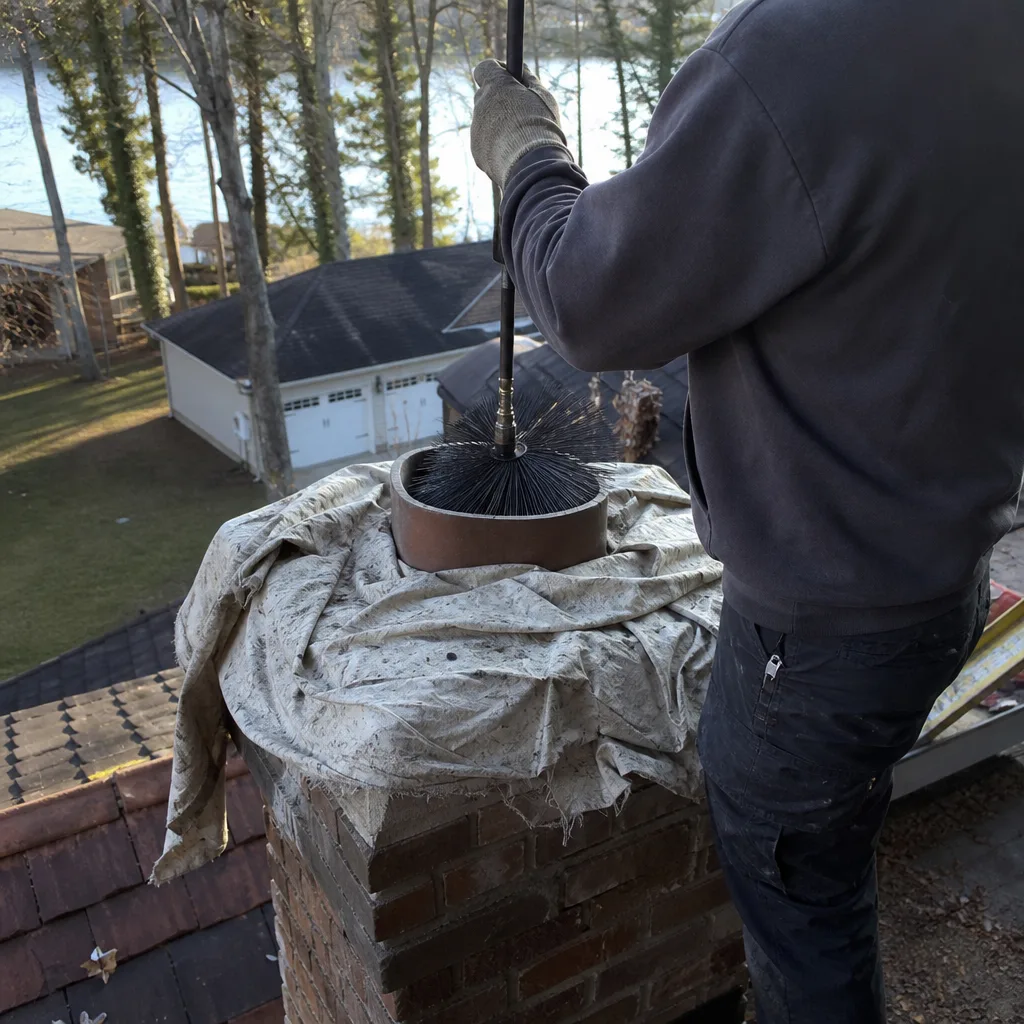
The September-October sweep is the one every Annapolis homeowner knows about. What most people don’t know is that the quality of a pre-burn sweep depends entirely on what kind of inspection came with it. Our Chimney Cleaning & Sweep Maintenance Checklist for Annapolis Homeowners breaks down exactly what to ask for. A sweep without a camera is just a brush through a pipe. A sweep with a camera is a maintenance decision made on evidence.
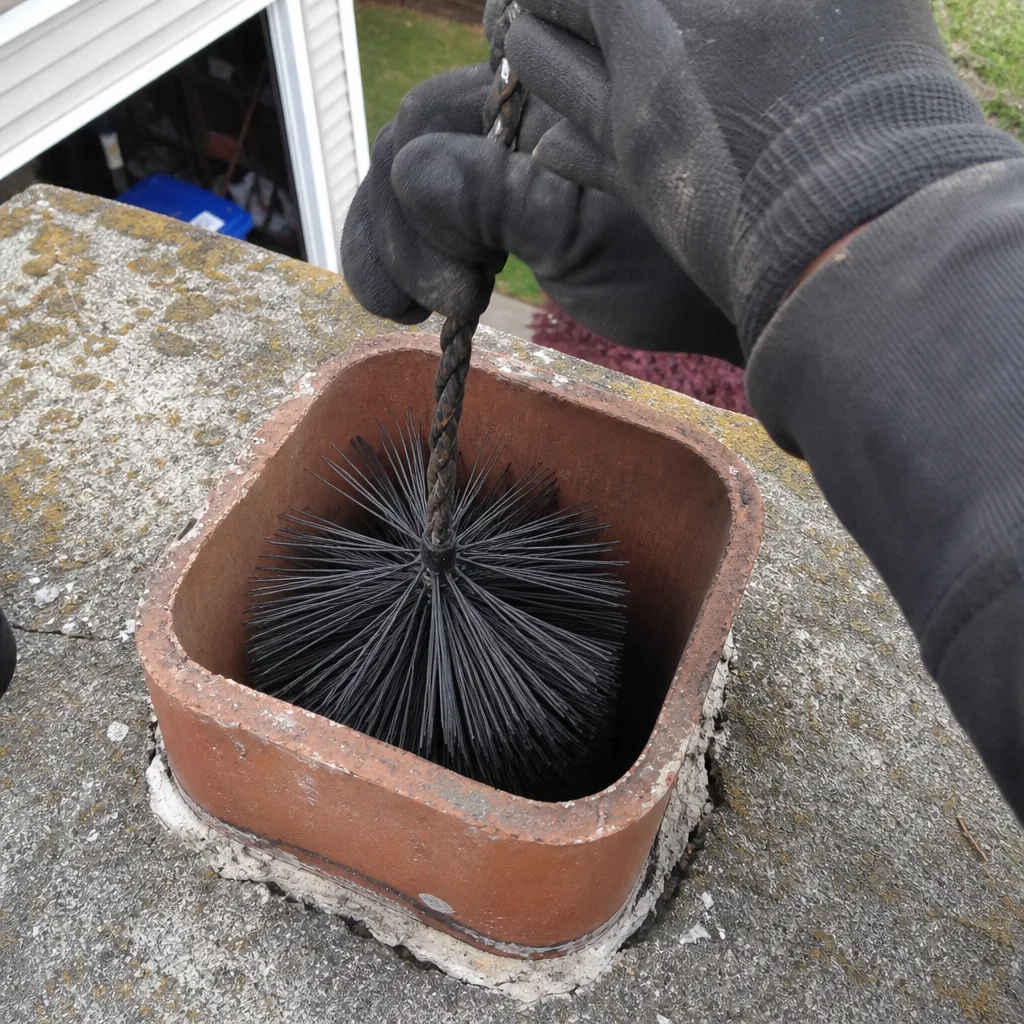
When we sweep a chimney in September, we’re looking specifically at two things: creosote class and flue clearance. Creosote in Annapolis, as mentioned, tends to be Stage 1, the flaky kind. But after a mild winter where fires burned short and cool, Stage 1 can cover the flue wall in sheets that are surprisingly thick in the upper third of the flue, where the smoke has cooled and condensed. A sweep removes this mechanically. Then the camera goes down to verify the flue is actually clear, because a brush alone won’t tell you if a section of Stage 1 is still adhered to the corbelled tiles. This is the difference between a clean chimney and a chimney that looks clean.
The October problem in Annapolis isn’t that chimneys are dirty. It’s that chimneys are behind schedule. The company that comes in October is dealing with four months of deferred maintenance, and the homeowner who calls in October is competing for the same appointment slots. If the camera finds a cracked liner in October, the reline happens in November or December, which is a cold, expensive time to do it. If the camera finds that crack in May, the reline happens in June when materials are available and pricing is honest. The annual sweep is not the first step in a seasonal plan. It’s the last step, and it works best when the earlier steps of inspecting and sealing have already been done. That’s why Fireplace Services in Annapolis have moved toward year-round maintenance rather than the old fall rush.
What a Proper Pre-Burn Sweep Includes
- Creosote removal: Mechanical brushing to remove Stage 1 flaky deposits and any Stage 2 buildup.
- Camera verification: A camera scan after the sweep to confirm the flue is clear, condition is documented, and nothing was missed.
- Smoke chamber inspection: The area above the damper where smoke gathers before entering the flue; often overlooked, and a common place for creosote accumulation.
- Damper check: Opens, seats, and seals. A damper that doesn’t seal lets warm air up the flue all winter.
- Cap and screen condition: Confirmed clear of debris and rust, with a functioning spark arrestor.
Written price before work starts is not a preference in this business. It’s the difference between a contractor who’s accountable and a contractor who’s estimating on the fly. Every job we do comes with a written scope, written price, and written warranty before work begins, and that’s Clause 1 of the Haven Standard. If another company quotes a seasonal sweep and inspection at a price that sounds too low, ask what exactly is included. Then compare it to a written quote. That’s the only honest way to compare.
November-February: Mild Winter Monitoring
Annapolis winters are not Vermont winters, and that creates a specific set of chimney behaviors. The average Annapolis homeowner burns fireplaces intermittently through December, January, and February, not continuously. Mild days interrupt the burn cycle, and when a fire isn’t burning, the flue is cooling and condensing. That pattern produces a particular kind of deposit: thin, flaky creosote that doesn’t look dangerous but burns hot when it eventually ignites.
During the winter months, there are really only two monitoring tasks that matter. First, observe the smoke. If smoke from the top of the chimney is dark and heavy, or if smoke backs up into the room when the fire is burning low, something is wrong and the fire should not be reloaded until the chimney is inspected. Second, listen for water. A dripping sound inside the firebox during or after rain means water is getting in somewhere, and that somewhere is usually flashing on the roof side. The longer a winter leak goes unaddressed, the more it tears up the sheetrock and insulation around the chimney chase, and March is when you find out how bad it was.
One practical winter note: don’t burn unseasoned wood. In a mild winter, the temptation is to burn whatever’s around, but unseasoned wood produces more water vapor and more creosote, faster. In Annapolis, hardwood seasoned for six to twelve months burns cleanest. If you’re buying cords from someone on Forest Drive or Defense Highway, ask when the wood was split. If they can’t tell you, assume it’s green.
The 48-Hour Post-Nor’easter Flashing Check
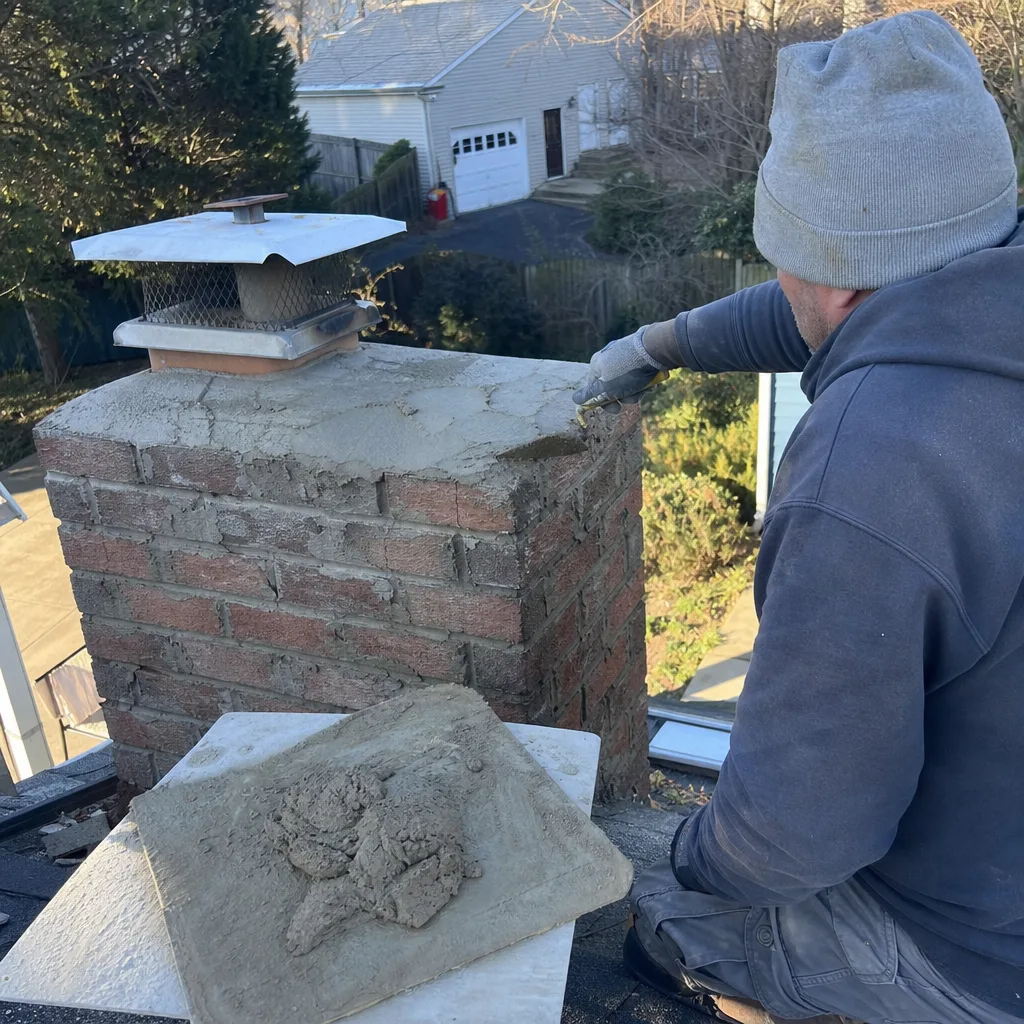
Nor’easters are different from regular rain events, and they attack chimneys differently. A normal rain falls mostly vertically. It runs off the cap and down the sides, and a well-flashed chimney handles it fine. A nor’easter drives rain sideways, often for 12 to 24 hours, with sustained northeast winds that press water against the uphill side of the chimney where the flashing meets the roofline. That’s the side that fails.
In Annapolis, nor’easters typically arrive between October and April, and they come with enough wind to drive rain up under the shingles. When flashing is compromised, water follows the chimney down into the roof deck. By the time it shows up as a ceiling stain around the fireplace, the flashing has been failing for weeks or months, and the repair has expanded from a two-hour reseal to a drywall job.
Here’s the 48-hour post-storm check, which you can do without a ladder:
- Check the ceiling around the chimney chase. Any new discoloration, even faint, after a nor’easter means water is getting in behind the flashing.
- Check the firebox floor. A small puddle or water stains in the ash after a storm means water came down the flue, which usually points to a cap problem.
- Look at the chimney from outside, especially the uphill side. Lifted shingles, missing sealant, or a visible gap where the chimney meets the roof line are flashing failures.
- If anything looks wrong, document it and call. Flashing failures don’t self-heal. They get worse with each storm that follows.
If the 48-hour check turns up water, Chimney Repair in Annapolis starts with a camera scan to find where the water actually entered, not just where it ended up. The repair is always cheaper in the week after the storm than it will be in March.
The Off-Season Scheduling Advantage
There’s a structural reason off-season chimney service in Annapolis is cheaper and better: demand is honest. In September and October, chimney companies are scheduling four to six weeks out, and the pressure of “burning season is coming” prices every job at a premium. In May and June, the same companies have open calendars and the same material costs are lower because suppliers aren’t running seasonal backorders.
The second advantage is quality of repair. A liner replacement in October is rushed because the homeowner wants to burn by Thanksgiving. A liner replacement in June is unhurried, uses the full curing time for refractory materials, and gives the camera scan time to verify the job before anyone’s in a hurry. Materials matter too: we use liners from DuraFlex and HeatShield for reline work, and those materials install better in warm, dry weather. That’s not a sales pitch, it’s a material property. Refractory coatings need to cure, and they cure fastest and strongest in May through August.
The third advantage is the second opinion. If you’ve had a company out and they wrote an estimate for a $4,000 liner replacement, bring it in May or June. Our Free Second Opinion on Any Written Estimate means exactly that: a camera scan, a written scope of what’s actually needed versus what’s recommended, and a written price. In our experience, a meaningful portion of written estimates we review in the spring include work that doesn’t need to happen that year, and a meaningful portion miss work that does. The off season is when both get sorted out.
Common Mistakes to Avoid
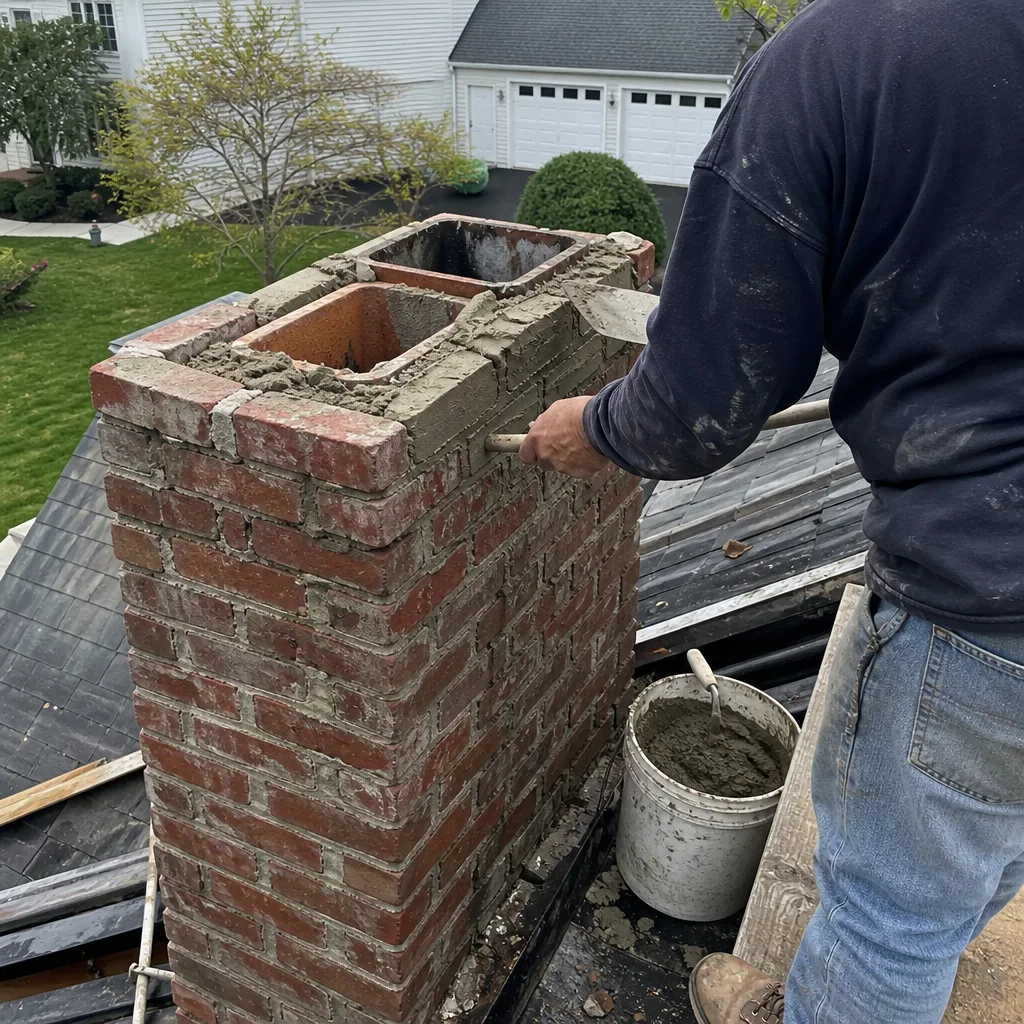
- Skipping the May-June seal window. This is the most expensive mistake in Annapolis, because moisture that enters a chimney in June does four months of unseen work before anyone checks in October.
- Trusting a sweep without a camera. A brush removes what it touches, but it doesn’t show you what remains. A camera does. If a sweep won’t show you the flue after the sweep, you’re buying labor, not evidence.
- Burning a hot fire in October as a “cleaning” method. A hot fire doesn’t clean a chimney. It ignites whatever’s in there, and a chimney fire in a flue with hidden Stage 1 creosote is exactly how chimney damage and house fires happen.
- Ignoring the cap because it’s “just a cover.” In Annapolis’s salt air, a rusted cap is doing nothing: not keeping rain out, not keeping animals out, and not containing sparks. A $300 cap replacement in summer is always cheaper than a $2,000 flue repair after a winter of water intrusion.
- Waiting until October to call. By October, every chimney company in Anne Arundel County is booked, and the work that gets done in the fall rush is more expensive and less thorough than the same work in May.
- Patching flashing with roof tar instead of resealing properly. Tar fails in Chesapeake heat and reopens the leak by spring. A proper flashing reseal uses metal-compatible sealant and lasts five to seven years.
When to Call a Professional
Call a chimney professional if you see water in the firebox after rain, if smoke backs up into the room, if you notice white staining or spalling on the exterior masonry, or if it’s been more than two years since a camera-scan inspection. Call before the fall rush, not after. The spring and early summer months are when Annapolis chimney work is cheapest and most thorough. Level Two Chimney Annapolis offers free estimates in Annapolis, camera-scan documentation on every visit, and a written price before any work begins. Call (443) 274-4231 to schedule.
Frequently Asked Questions
A chimney sweep in Annapolis typically ranges from $180 to $350 depending on flue condition, access, and whether the sweep includes a camera-scan inspection. For a detailed breakdown of what drives those numbers, see our Chimney Cleaning Cost Breakdown: The Annapolis Homeowner’s Reference for 2026. At Level Two Chimney Annapolis, a written price is provided before any work starts, and the camera-scan verification is included in the sweep, not billed as an add-on. Call (443) 274-4231 for an exact quote based on your chimney’s condition.
NFPA 211 recommends a chimney inspection at least once per year, and sweeping as needed based on what the inspection finds. In Annapolis’s mild winter climate, intermittent burning produces flaky Stage 1 creosote that should be swept before each burning season, even if the chimney doesn’t look dirty from below. The only way to know for sure is to put a camera down the flue.
You need a new liner if the camera scan shows cracked tiles, separated joints, or significant spalling that compromises the flue’s ability to contain heat and combustion gases. A liner is not a sweep upsell. The way to verify any liner recommendation is to ask for the camera footage and the photo report, which should be included in the inspection. A company that won’t show you the liner isn’t giving you a recommendation you can verify.
When you skip the spring inspection, any moisture entry from the winter continues unchecked through the humid summer months, and freeze-thaw damage compounds with salt-air corrosion. The most common result in Annapolis is a crown or flashing failure discovered in October, when repair is more expensive and appointment availability is tighter. The damage itself doesn’t care that you waited to find it.
Yes. Annapolis’s salt air accelerates corrosion on metal components like caps, dampers, and chase covers, and the Bay’s humidity means moisture moves through masonry for six months of the year, not just after rain. These conditions are why Annapolis chimneys benefit from checking metal components in summer and sealing masonry in late spring, rather than relying on a single fall sweep.
Yes, and summer is the best time for it in Annapolis. Summer sweeps catch moisture damage before it compounds, give refractory materials full curing time if repairs are needed, and avoid the fall scheduling bottleneck. Before scheduling, review Chimney Cleaning Permits, Codes & Inspections in MD: What You Need to Know to ensure your service meets state requirements. If you’re due for an inspection, a summer appointment with camera documentation gives you a clear picture of what the chimney needs before the burning season begins. Call (443) 274-4231 to schedule.
The Bottom Line
Annapolis chimneys fail on a different calendar than the rest of the country. Salt air, Bay humidity, mild winters, and nor’easter wind create a year-round stress cycle that doesn’t fit the standard “sweep in September” advice. The chimneys that last in this climate are the ones inspected in March or April, sealed in May or June, checked through summer, and swept with camera verification in September. The two cheapest investments are the pre-humidity seal and the post-nor’easter flashing check, because both catch problems before they become expensive fall emergencies. A written price, a camera record, and an unhurried repair schedule are worth more than any seasonal brochure. Do the work by the Chesapeake calendar, and the chimney will be ready when you are.
Written by Corrine Halstead, Owner at Level Two Chimney Annapolis, serving Annapolis since 2009.