
Last updated September 20, 2026
Level 1 sweep and inspection to the NFPA 211 annual standard - flue, crown, cap, and flashing checked and photographed
Chimney sweep logs do not sweep chimneys. They loosen some creosote - which then falls where a brush and vacuum still have to collect it.
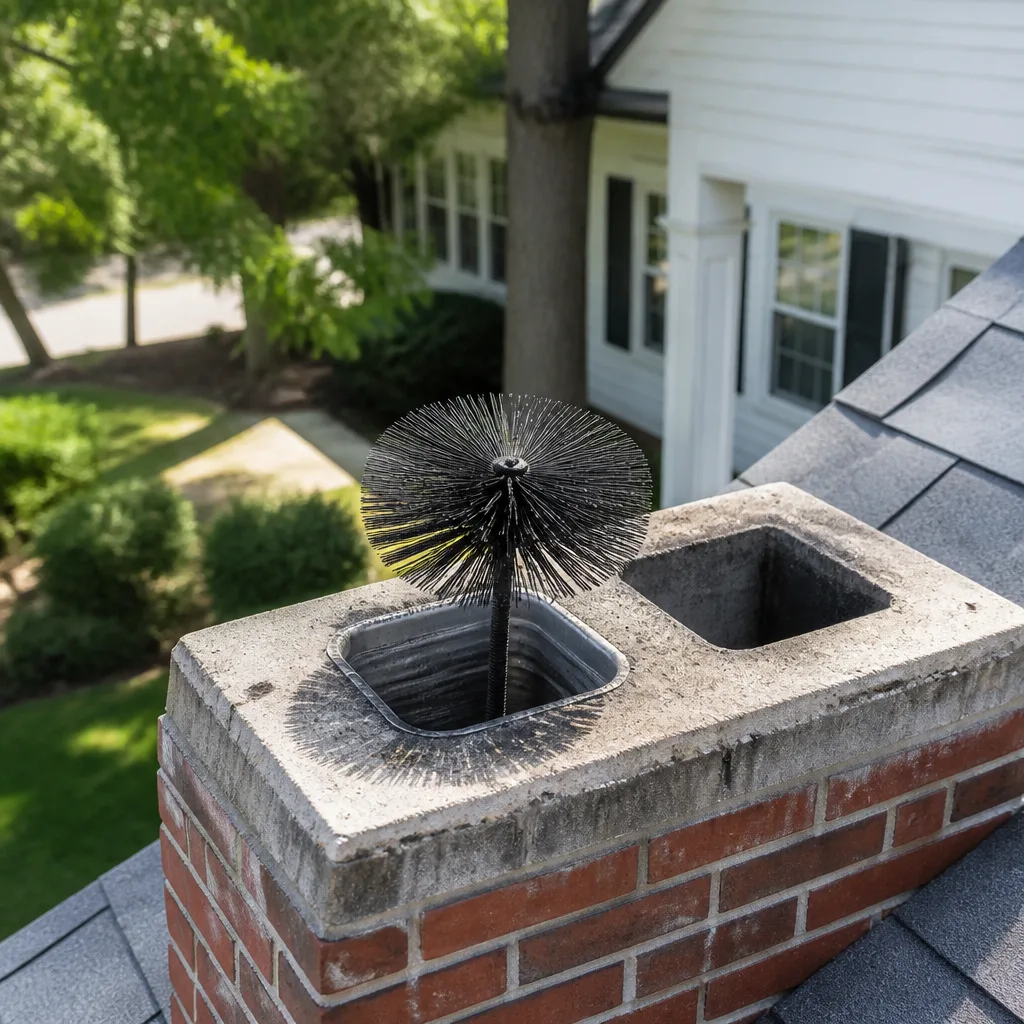
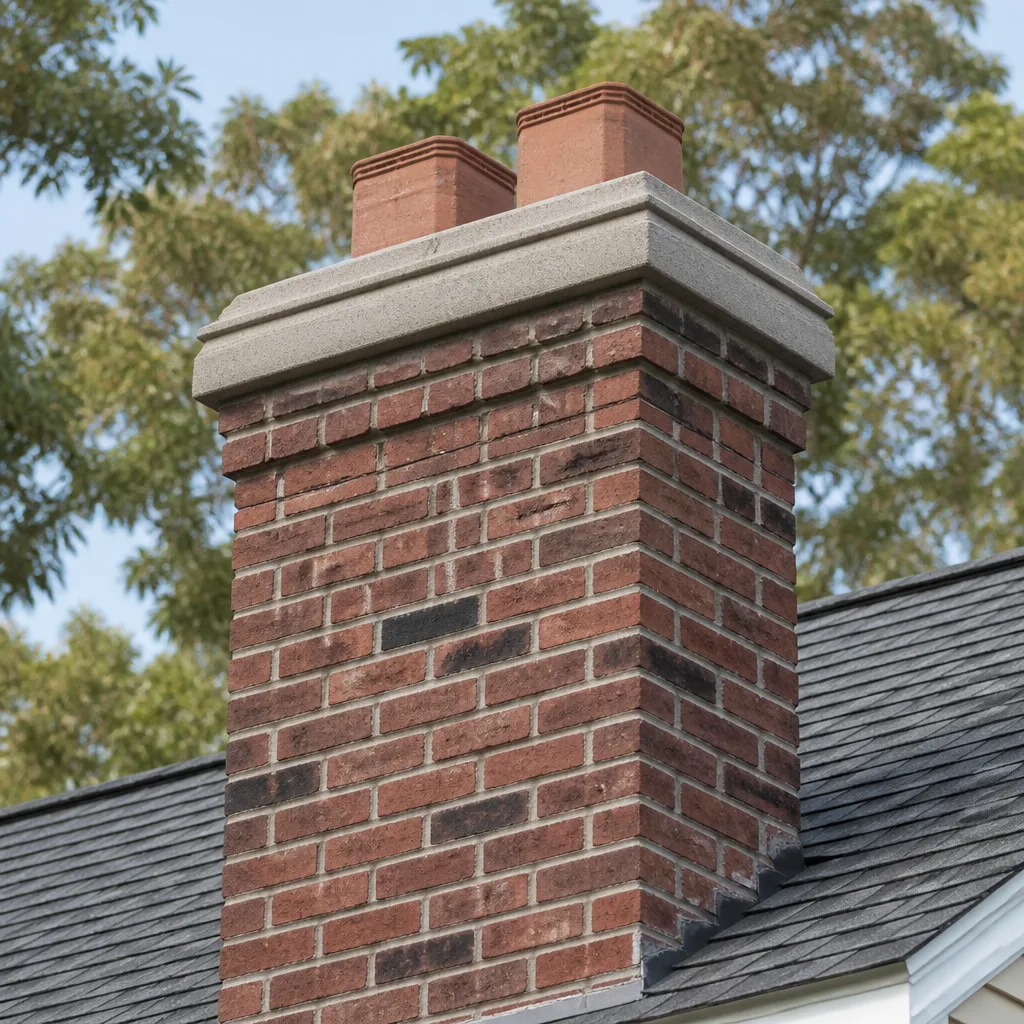
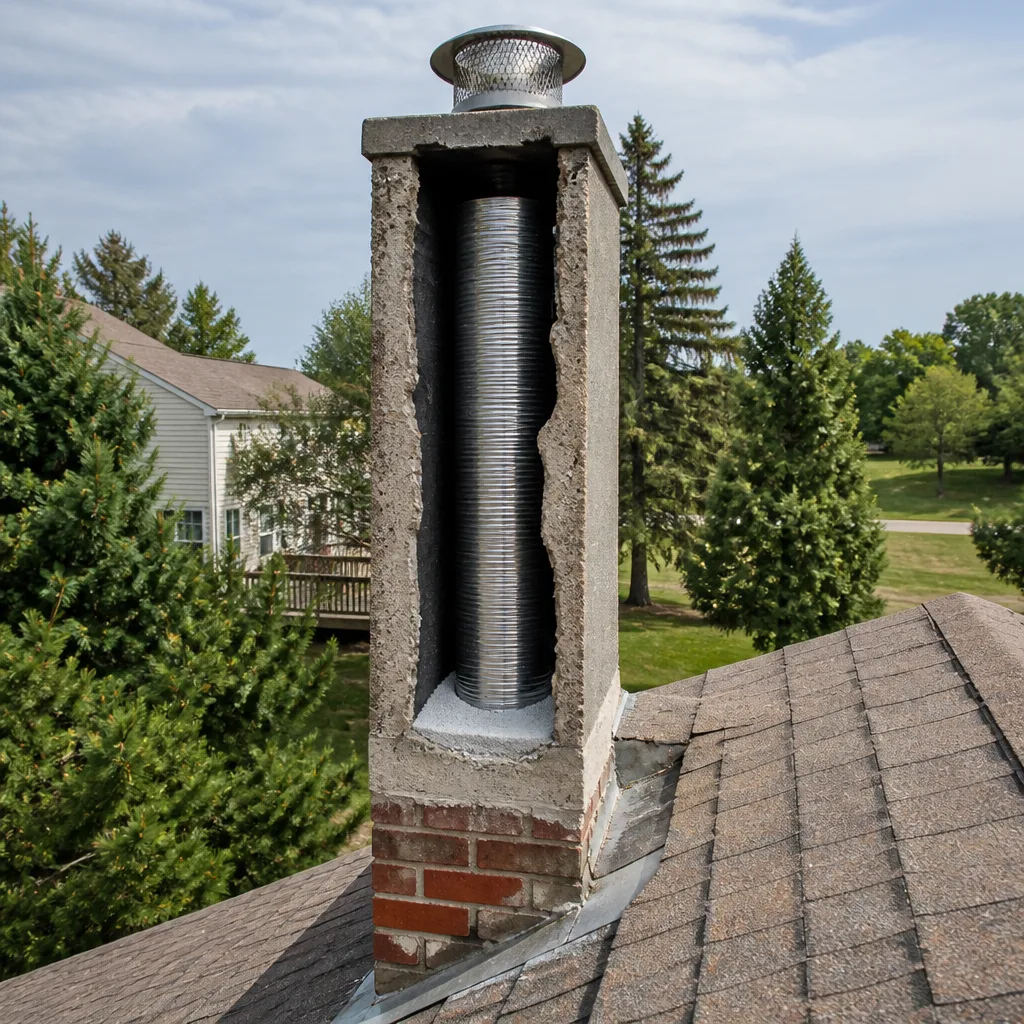
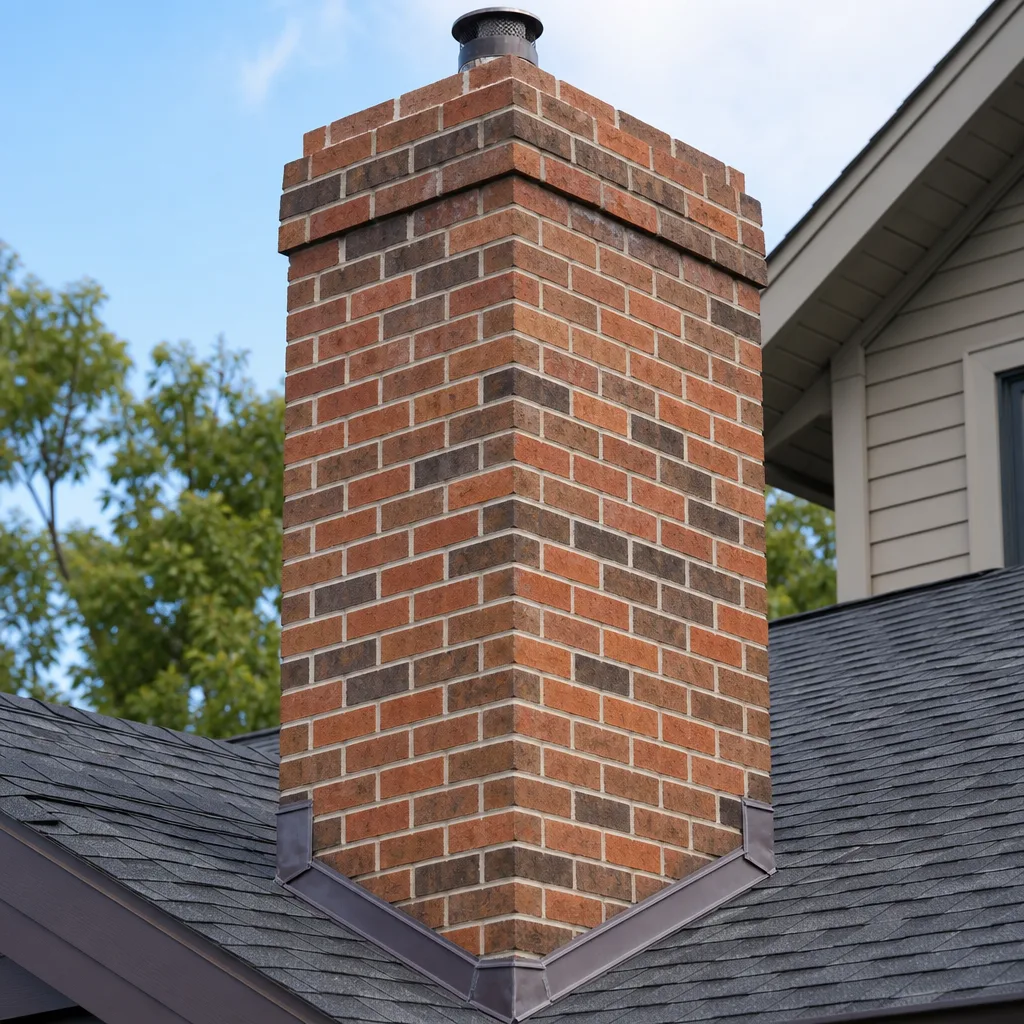
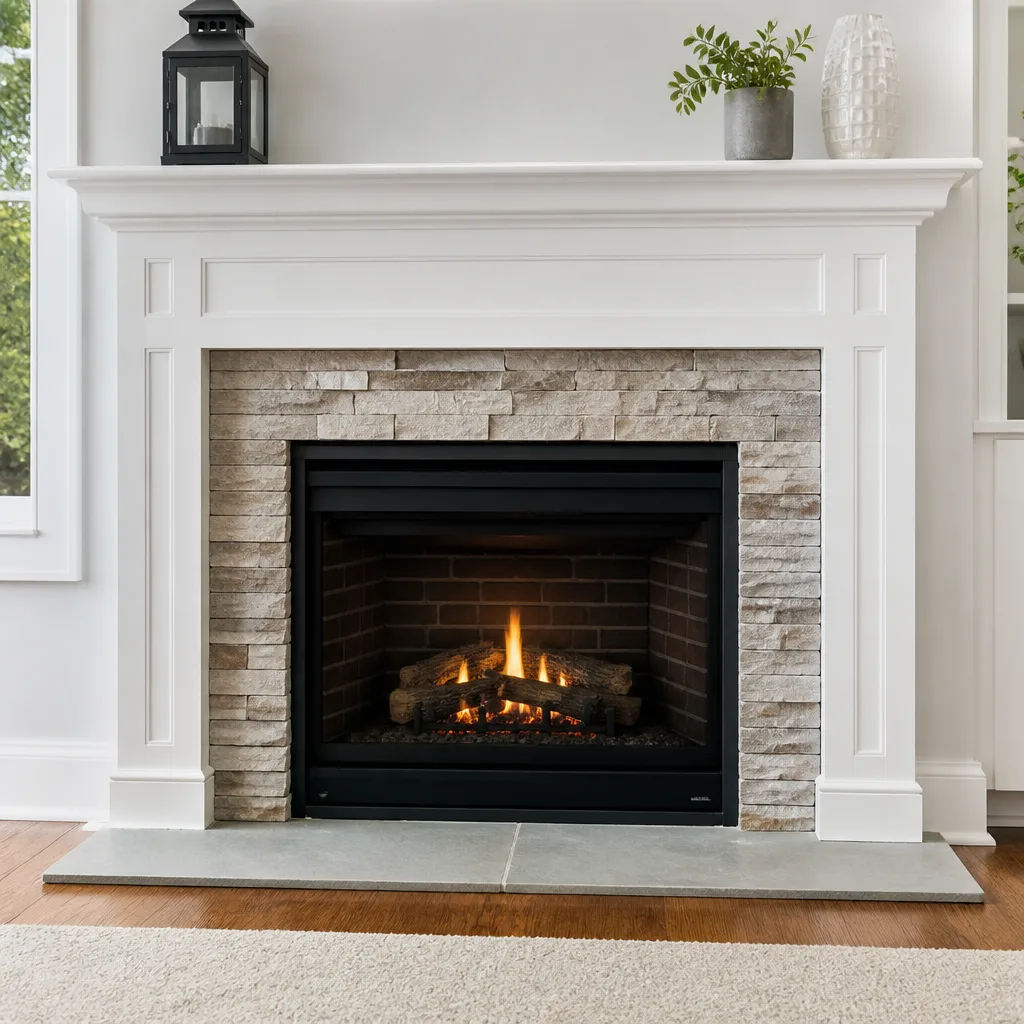
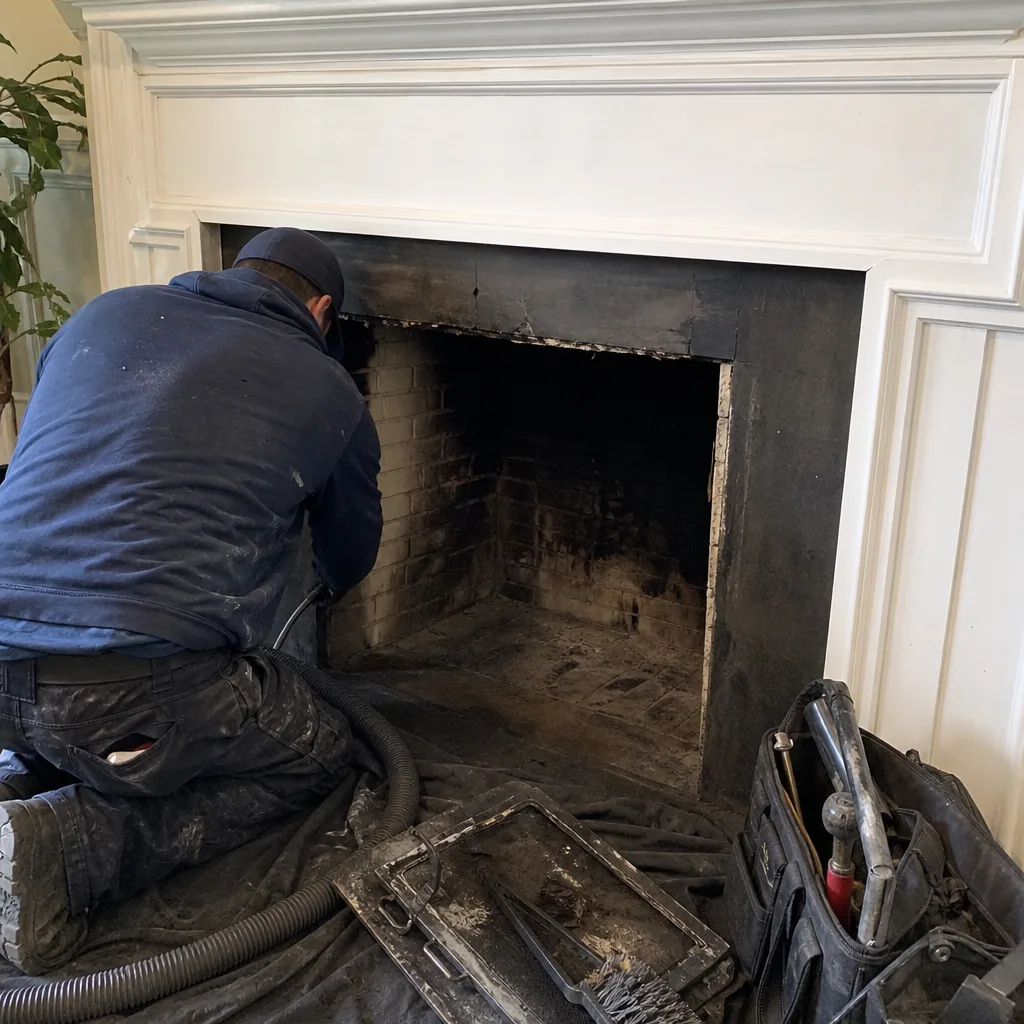 Before
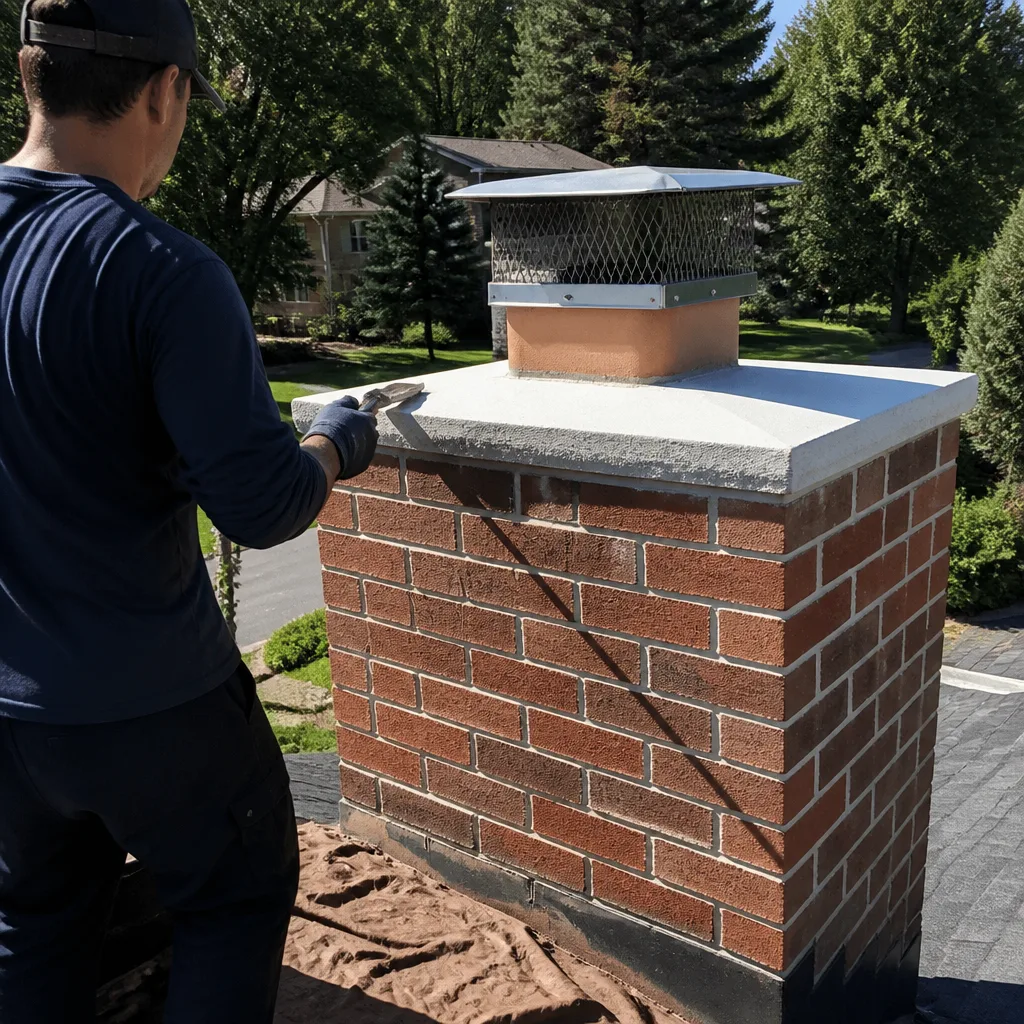 After
After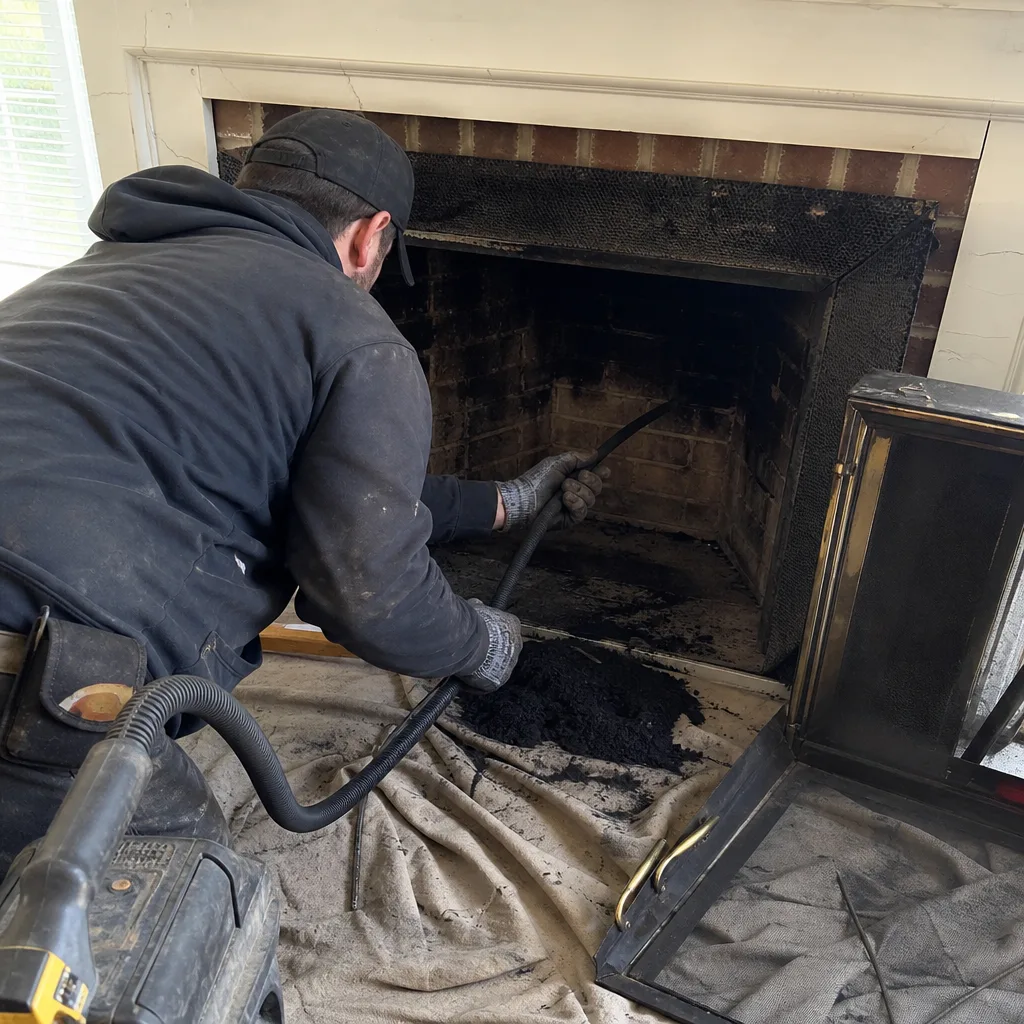 Before
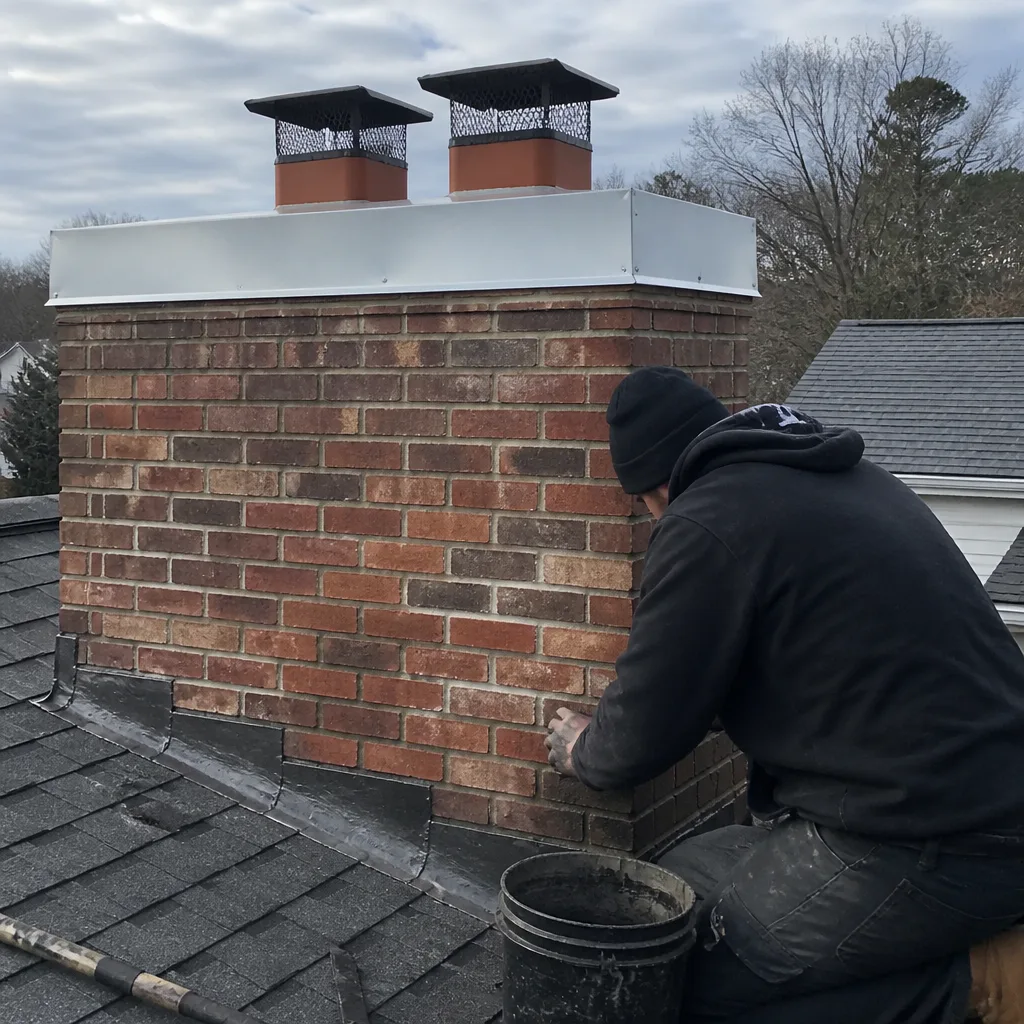 After
After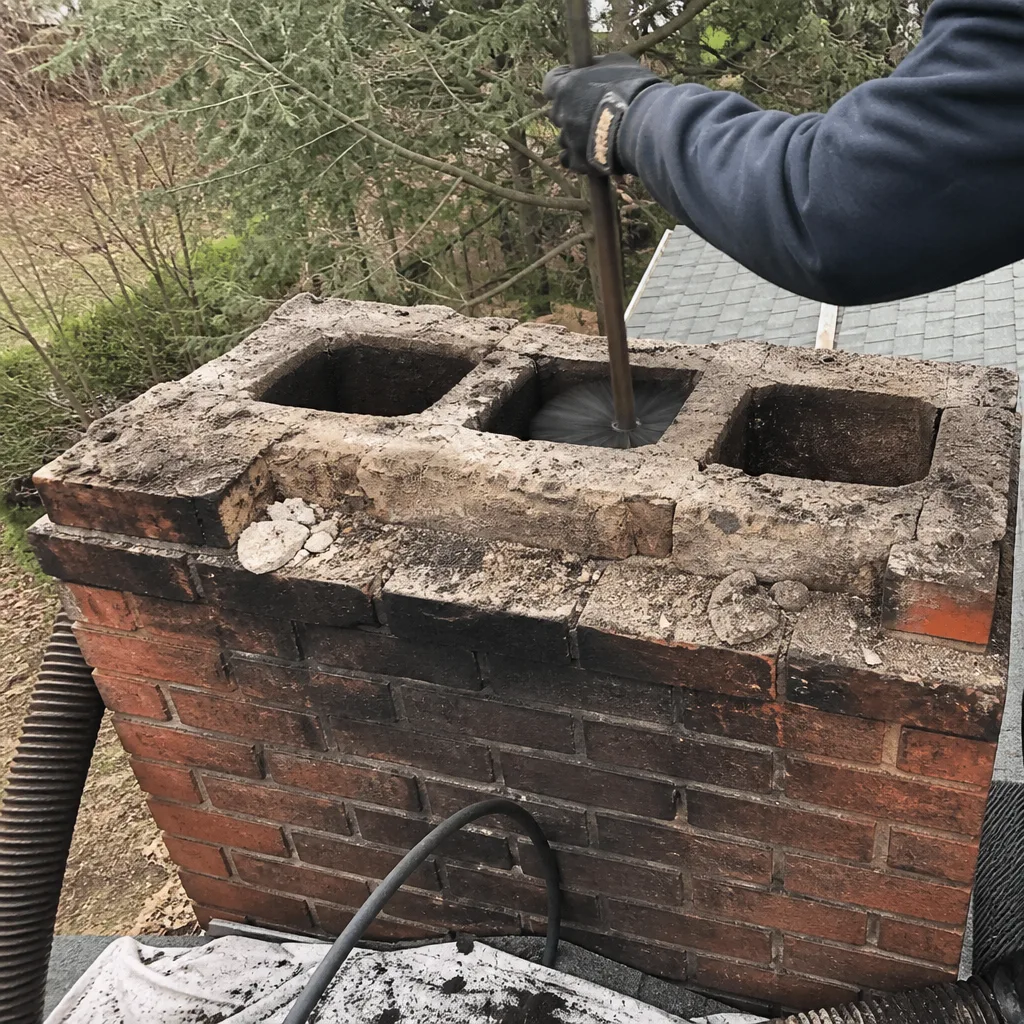 Before
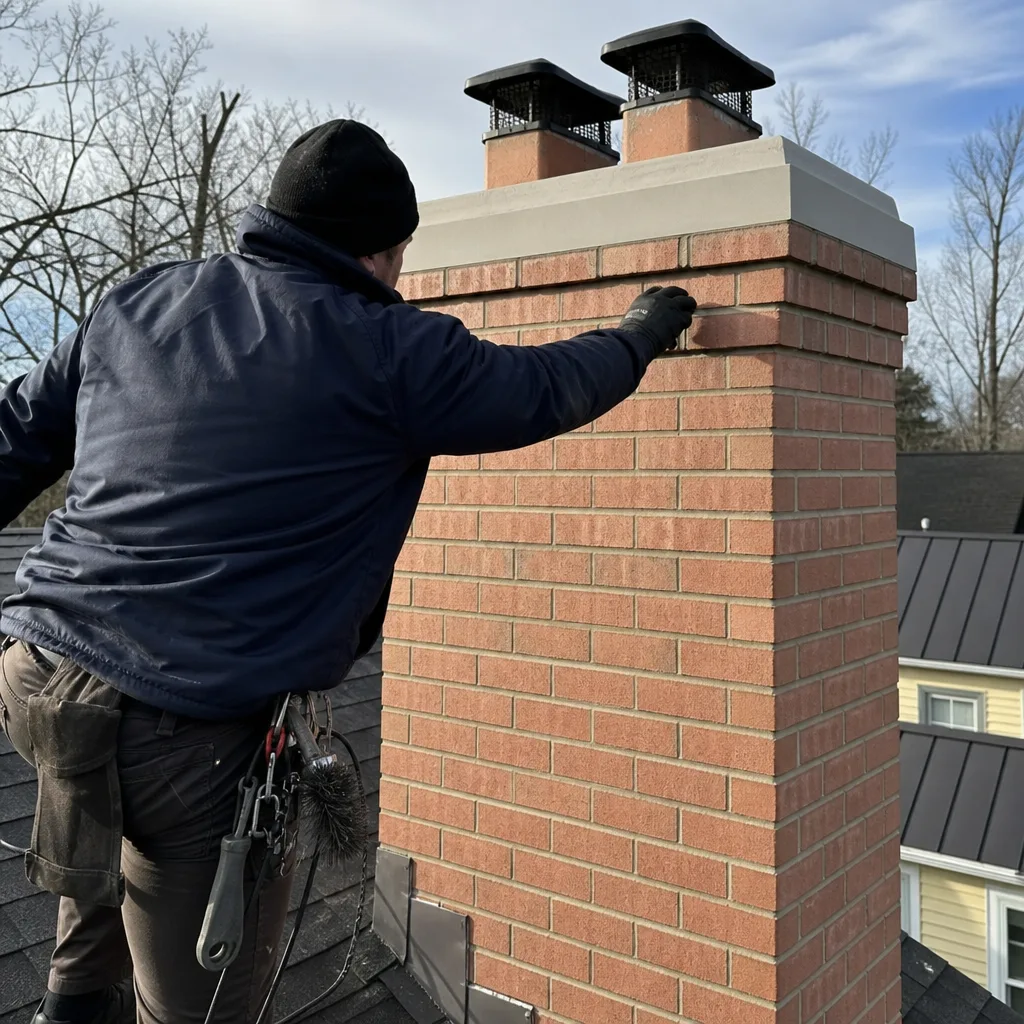 After
AfterThe Complete Guide to Chimney Cleaning in Annapolis
A 2022 NFPA report found that 27% of home heating fires involved chimneys that had been “serviced” within the past year. That word, serviced, is doing a lot of work. It means someone showed up, did something, and left. What they didn’t do was document the condition of the flue with a camera, check the liner for cracks, or measure whether the chimney could actually draft safely. This guide breaks chimney cleaning in Annapolis into its three component parts: sweeping, inspection, and documentation. For more guides & resources, see our blog. If you understand all three, you’ll know exactly what you’re paying for and what questions to ask before anyone walks through your door.
Quick Answer
Chimney cleaning in Annapolis means three distinct tasks: removing creosote and debris from the flue (sweeping), examining the chimney’s structural and safety condition using both a visual check and a camera scan (inspection), and receiving a written record of what was found and what was done (documentation). A complete chimney cleaning in Annapolis typically costs between $189 and $329 for a standard single-flue sweep and Level 1 inspection, while a full NFPA 211 Level 2 camera inspection adds $150 to $300. Most quotes you’ll see cover only the sweeping portion. The inspection and documentation are where the actual safety value lives, and they’re the first things cut from a cheap quote.
Table of Contents
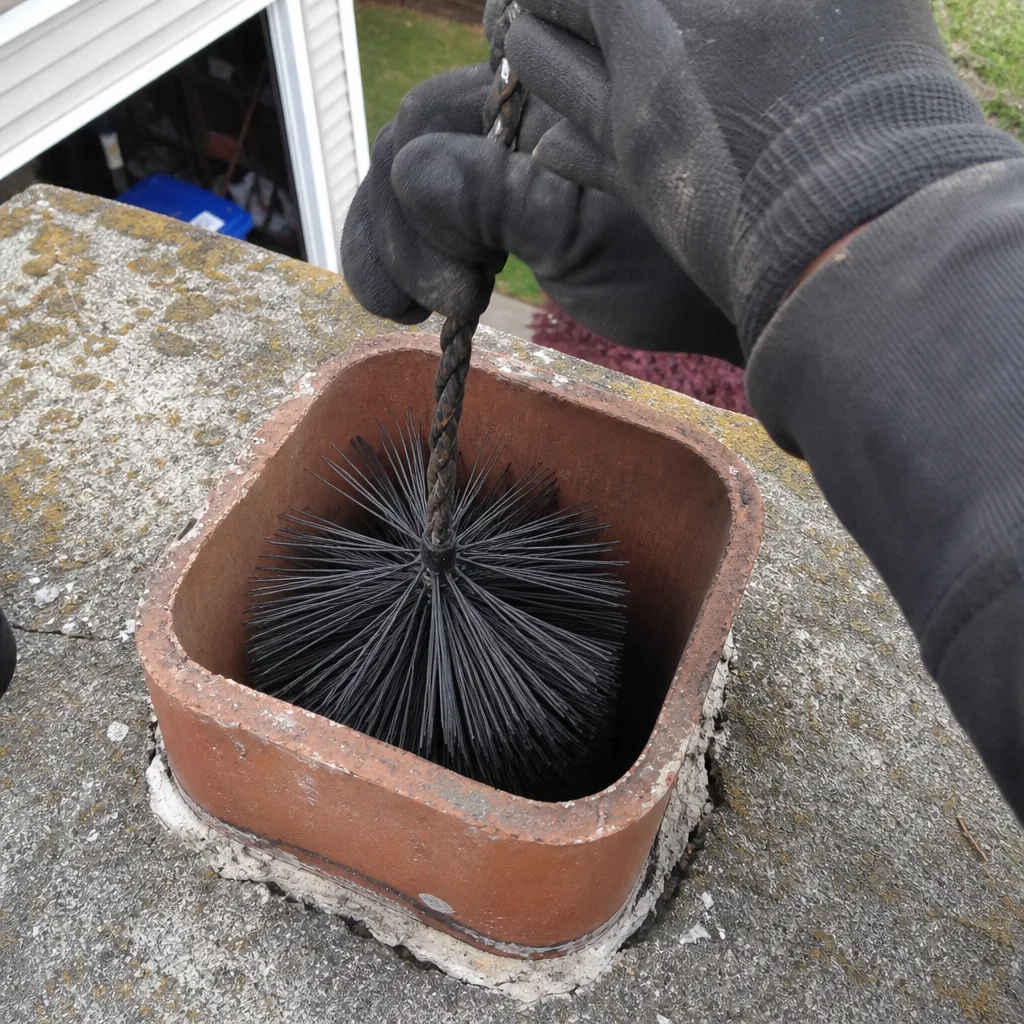
- Why “Chimney Cleaning” Is Actually Three Separate Tasks
- How Annapolis Weather Creates Creosote Faster Than You’d Expect
- What a Camera Scan Sees That a Flashlight Cannot
- How to Read a Sweep’s Report: Line Items and Red Flags
- Clean Flue vs. Safe Flue: What Sweeping Doesn’t Address
- What Chimney Cleaning Actually Costs in Annapolis
- What You Can Safely Check Yourself (and What You Shouldn’t)
- Common Mistakes to Avoid
- When to Call a Professional
- Frequently Asked Questions
BeforeAfterWhy “Chimney Cleaning” Is Actually Three Separate Tasks
Most Annapolis homeowners call a chimney company and ask for a cleaning. What they think they’re getting is a thorough examination of their chimney’s safety. What many companies deliver is a brush up the flue and a quick look with a flashlight. Those are not the same thing.
Here’s the three-part framework we use at Level Two Chimney Annapolis, and it maps directly to what NFPA 211, the national standard for chimney inspection and maintenance, actually requires:
- Sweeping: The physical removal of creosote, soot, and debris from the flue interior. This prevents chimney fires and improves draft. It’s the most visible part of the job and the part most people picture when they think “chimney cleaning.”
- Inspection: The systematic examination of the chimney’s structure and components. A Level 1 inspection covers the readily accessible portions of the chimney. A Level 2 inspection adds camera scanning of the flue interior, attic and crawlspace checks where the chimney passes through, and is required whenever the home is sold, the fuel type changes, or an event like a chimney fire or storm has occurred.
- Documentation: The written record of what was found, what was done, and what remains to be addressed. This includes photos from the camera scan, a description of creosote classification, condition notes on the liner and crown, and a written recommendation. Clause 4 of the Haven Standard requires a documented photo record on every single job. We’ve operated that way since 2009, and it’s the part of the service that protects homeowners when problems get found later.
Here’s the uncomfortable reality: when a competitor offers a “$99 chimney cleaning special” in Annapolis, you’re almost certainly getting only the sweeping layer. The inspection is cursory. The documentation is a receipt, not a report. A flue can be perfectly clean and still be unsafe, which is the entire reason the inspection layer exists. For more detail on what a proper sweep entails, see our Chimney Cleaning & Sweep in Annapolis page.
How Annapolis Weather Creates Creosote Faster Than You’d Expect
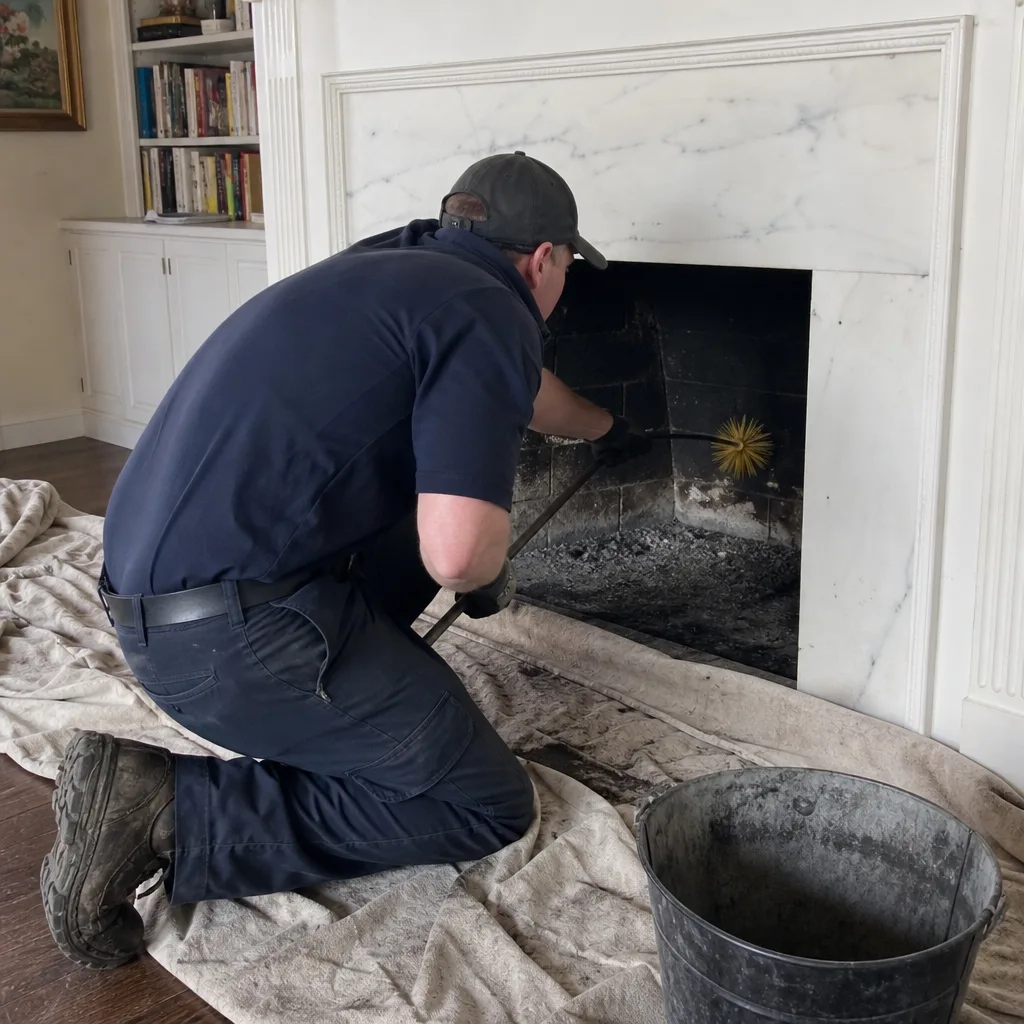
Annapolis sits on the Chesapeake Bay, and that waterfront location has a direct effect on what happens inside your chimney. The humidity that rolls off the Bay doesn’t stay outside. It enters your chimney, where it interacts with the creosote that’s already condensing on your flue walls from wood combustion.
Creosote forms in three stages. Stage 1 is a flaky soot that brushes off easily. Stage 2 is a tar-like glaze that hardens and requires mechanical scraping or chemical treatment. Stage 3 is a hardened, glossy coating that can require aggressive removal methods and sometimes liner replacement. The moisture in Annapolis air accelerates the transition from Stage 1 to Stage 2 in wood-burning fireplaces, because humidity adds moisture to the flue environment that helps creosote compounds bind and harden.
We see this pattern consistently in older Annapolis neighborhoods. Homes around Murray Hill, West Annapolis, and Germantown with masonry chimneys from the 1940s through 1970s tend to show Stage 2 creosote after a single burning season, where the same fireplace in a drier inland climate might not. It’s one reason the standard recommendation of “sweep once per year” becomes more of a hard requirement here rather than a loose guideline.
Wood type matters too, and it’s another Chesapeake-region factor. Unseasoned wood, which is common when homeowners buy cords from roadside sellers in the late fall, produces more creosote and faster. Burning the softwood and mixed cords prevalent in the Annapolis area adds to the problem. Seasoned hardwood burned hot produces the least. We said it plainly and we’ll say it again: if you burn a cord of mixed unseasoned wood from a truck parked on Forest Drive every winter, your chimney needs more attention than the neighbor who burns kiln-dried oak.
What a Camera Scan Sees That a Flashlight Cannot
A flashlight pointed up a flue tells you whether the flue is dark and round. That’s about it. The human eye, even with a bright light, cannot see more than a few feet up a terra cotta flue liner. It cannot see around bends. It cannot resolve hairline cracks in the middle of the liner. It cannot see the smoke chamber clearly. It cannot see the top portion of the flue from the firebox.
A camera scan changes all of that. A small high-resolution camera is lowered down the full length of the flue from the top of the chimney, recording the condition of every inch of liner, every mortar joint, the smoke chamber, and the throat. Here’s what each method actually catches and misses in Annapolis homes:
- Flashlight visual: Can sometimes catch a missing chimney cap from outside, visible spalling brick at the top, obvious smoke staining at the fireplace face, and the presence of animals in the firebox. It cannot see a cracked flue liner mid-chimney, damaged mortar joints, or hidden creosote buildup in the upper third.
- Camera scan: Catches hairline liner cracks, deteriorated mortar joints between flue tiles, water damage from a failed chase cover or crown, Stage 2 and Stage 3 creosote, animal nests blocking the flue, gaps in the flue, and deterioration in the smoke chamber. It also records it all as photo evidence.
The camera is not marketing theater. It’s the difference between knowing your chimney is safe and believing it might be. In our experience at Level Two, we’ve found cracked liners in chimneys that had been “cleaned and inspected” by other companies within the same 12-month window. The flue was clean. The liner was cracked. The homeowner had a piece of paper with a checkmark that said “chimney OK.” That’s the exact scenario the three-part framework is designed to prevent. Our Level Two Chimney Annapolis home page explains the camera-scan standard we’ve used since 2009.
How to Read a Sweep’s Report: Line Items and Red Flags
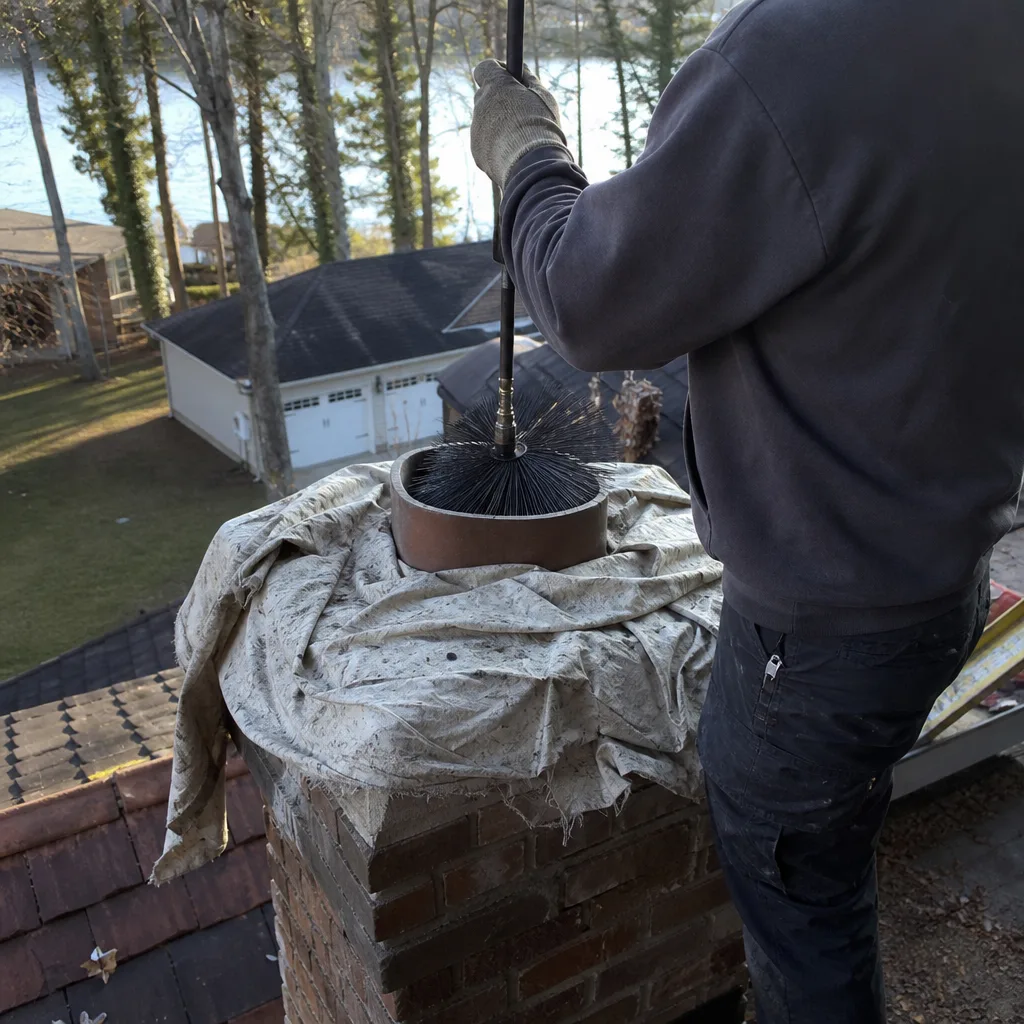
A proper chimney cleaning report from an Annapolis sweep should read like an inspection record, not a receipt. If the entire report consists of “Cleaned chimney, no issues,” you didn’t get what you paid for. Here are the line items that should appear on any legitimate report, and the omissions that signal a substandard job:
What a proper report includes:
- Creosote classification: The sweep should note the stage of creosote found (Stage 1, 2, or 3) and where it was concentrated. This is a standard NFPA classification, and it tells the next sweep what they’re dealing with.
- Flue liner material and condition: What type of liner is present (terra cotta, stainless steel, cast-in-place), its diameter, and whether any cracks, gaps, or deterioration were observed.
- Smoke chamber condition: The smoke chamber is the space above the firebox where smoke funnels into the flue. If its walls are corbeled brick with gaps and rough mortar, that’s a code violation waiting for a fire. A report should mention it.
- Damper operation: Does the damper open and close fully? Is it seated properly?
- Crown and cap condition: The concrete crown at the top of the chimney and the metal cap over the flue opening. Cracked crowns and missing caps are the leading cause of water damage to Annapolis chimneys.
- Draft measurement: A proper sweep measures draft with a gauge or observes smoke draw. “Draft appears adequate” is weak. A measurement in inches of water column, even approximate, is stronger.
- Photo documentation: Photos from the camera scan, with descriptions. You should walk away with evidence, not just prose.
Red flags in a sweep’s report:
- No creosote classification mentioned. This means no one actually looked carefully.
- No mention of the liner condition. A sweep that can’t tell you the condition of the flue liner didn’t do an inspection.
- No photos included. In 2026, a chimney company that doesn’t document with photos is choosing not to.
- Vague language like “some buildup present” without classification or location.
- A report that’s only one paragraph long. A thorough inspection produces notes, observations, and measurements. It doesn’t produce a single sentence.
- No mention of clearance to combustibles, the smoke chamber, or the condition of the flashing at the roofline.
At Chimney Repair in Annapolis we walk through the specific findings that often emerge from these reports, because a good cleaning report is the starting point for any repair conversation.
Clean Flue vs. Safe Flue: What Sweeping Doesn’t Address
A flue can be spotless and still be a fire and carbon monoxide risk. That sentence should sit in the back of your mind every time someone hands you a chimney cleaning receipt. Here’s the distinction that matters in Annapolis homes:
Sweeping addresses creosote. It removes the fuel that could ignite and cause a chimney fire. That’s an essential task, and skipping it is dangerous. But creosote removal is not the same as verifying that the chimney can safely contain a fire and exhaust its byproducts.
Safety requires all of the following, which sweeping alone does not check:
- Flue liner integrity: A cracked terra cotta liner allows heat and combustion gases to escape into the chimney chase or the home’s framing. This is a house-fire risk. No amount of sweeping fixes a cracked liner.
- Draft performance: A chimney that doesn’t draft properly pushes carbon monoxide back into the living space. Draft problems are caused by negative air pressure in the home, blocked flues, improper flue sizing, or chimney height issues. A sweep with a brush cannot diagnose this.
- Clearance to combustibles: Building code requires specific distances between the chimney’s exterior masonry or metal and any wood framing it passes near. Older Annapolis homes frequently violate this. Sweeping doesn’t reveal it. Inspection with an understanding of code does.
- Smoke chamber condition: A smoke chamber with exposed gaps or unparged corbeled brick is a known fire hazard. Smoke and heat can escape into the home’s structure through those gaps. Sweeping the flue above it does nothing to address this.
- Crown and cap function: Water intrusion from a cracked crown or missing cap erodes the chimney from the inside. The damage accumulates quietly. Sweeping won’t catch it unless the sweep is also doing an inspection.
The practical implication for Annapolis homeowners: a full chimney cleaning should always include the sweeping and the inspection as a bundled package. If you’re weighing whether to tackle this yourself, read our DIY vs Professional Chimney Cleaning: The Annapolis Homeowner’s Decision Guide first. Separating them is like changing your oil without checking the brakes. You’ve done one maintenance task, but you haven’t answered the question of whether the vehicle is safe to drive.
What Chimney Cleaning Actually Costs in Annapolis
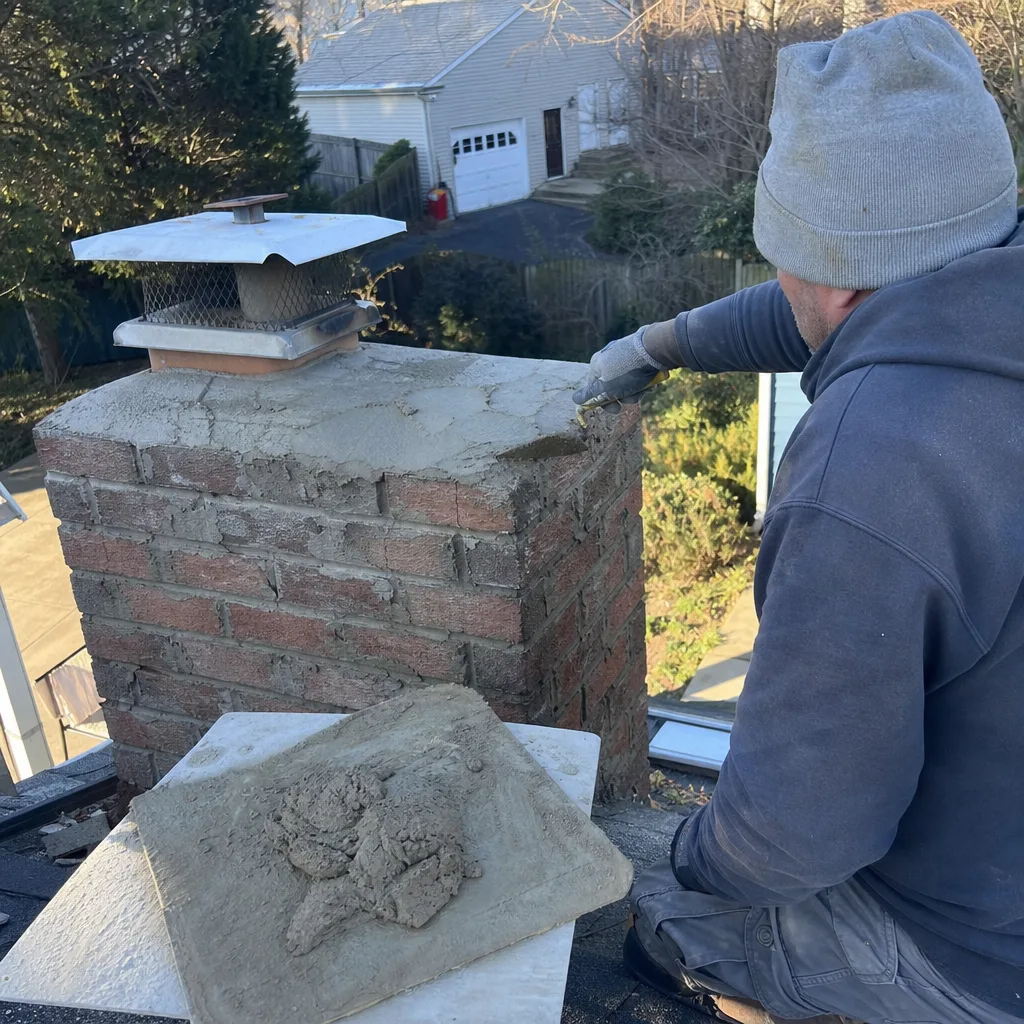
Annapolis chimney cleaning prices cluster in a predictable range, and if a quote falls far below it, you should ask what’s being left out. Here are the line-item ranges we see across Anne Arundel County in 2025 and 2026:
| Service | Typical Range in Annapolis | What It Includes |
|---|---|---|
| Standard chimney sweep with Level 1 inspection | $189-$329 | Creosote removal, visual inspection of accessible areas, basic report |
| Level 2 camera-scan inspection | $150-$300 | Full camera scan of flue interior, attic and crawlspace check, documented photo report |
| Chimney cap replacement | $185-$450 installed | Stainless steel cap sized to flue, typical brands include Olympia Chimney and Copperfield |
| Flue liner replacement (stainless steel) | $3,200-$6,500 | New liner, insulation, top plate, crown repair if needed, using DuraFlex or similar |
| Crown repair or replacement | $450-$1,800 | Full crown rebuild with proper overhang and drip edge |
| Smoke chamber parging | $850-$2,200 | Smoothing and sealing the smoke chamber walls to code |
A few clarifications on those numbers. The standard sweep range assumes a single flue with normal creosote buildup. A fireplace that hasn’t been cleaned in five years or that’s burning unseasoned wood will run higher. The Level 2 inspection price is separate from the sweeping because it’s a distinct procedure requiring different equipment and time. If a company quotes a “$99 full chimney cleaning and inspection,” something is being cut. Usually it’s the inspection.
We quote everything in writing before work starts. Not an estimate over the phone followed by a different number once the technician is standing in your living room. A written scope, a written price, and a written warranty, delivered before anyone touches your chimney. That’s Clause 1 of the Haven Standard. You can also bring us a competitor’s written quote and we’ll provide a free second opinion on it. Our materials come from manufacturers like Famco, Olympia Chimney, and DuraFlex, sourced through the Haven buying network. That keeps parts costs down without cutting quality.
What You Can Safely Check Yourself (and What You Shouldn’t)
You don’t need to be a chimney professional to spot some warning signs. Here are visual checks any Annapolis homeowner can do safely from the ground or the fireplace opening, followed by the items that require a trained technician:
- From the ground, look at the chimney top: Is there a cap? If you can see an open flue hole from the ground, rain has been entering the chimney. Is the crown cracked or peeling? Are bricks spalling, meaning flaking or popping? Spalling looks like brick faces flaking off in sheets.
- In the firebox, shine a flashlight upward: Can you see the damper? Does it open and close? Is there creosote buildup you can scrape with a butter knife? Stage 1 flaky creosote feels like coffee grounds. Stage 2 feels sticky. Stage 3 looks like glass.
- Check for water stains: Dark stains around the ceiling near the chimney, peeling paint on the wall above the firebox, or a white powdery substance on the exterior brick (efflorescence) all suggest water intrusion.
- Look at the flashing: The metal where the chimney meets the roofline should lie flat. Gaps, lifted edges, or visible sealant smeared around the flashing suggest repairs are needed.
What you should not attempt yourself: anything involving a ladder above the roofline, removal of a chimney cap, inspecting the flue interior beyond the first few feet from the firebox, or cleaning a chimney with a brush from the top. Falls from roof-level work are one of the leading causes of serious home-maintenance injury in Anne Arundel County. Steep-pitched roofs, common in waterfront Annapolis homes, make this even riskier. If you’ve noticed any of the warning signs above, call a professional rather than verifying it from the roof.
That’s not gatekeeping. It’s the same safety advice we give our own technicians. We use proper roof anchors on steep pitches and would rather a homeowner spend $300 on a professional inspection than thousands on a hospital bill.
Common Mistakes to Avoid
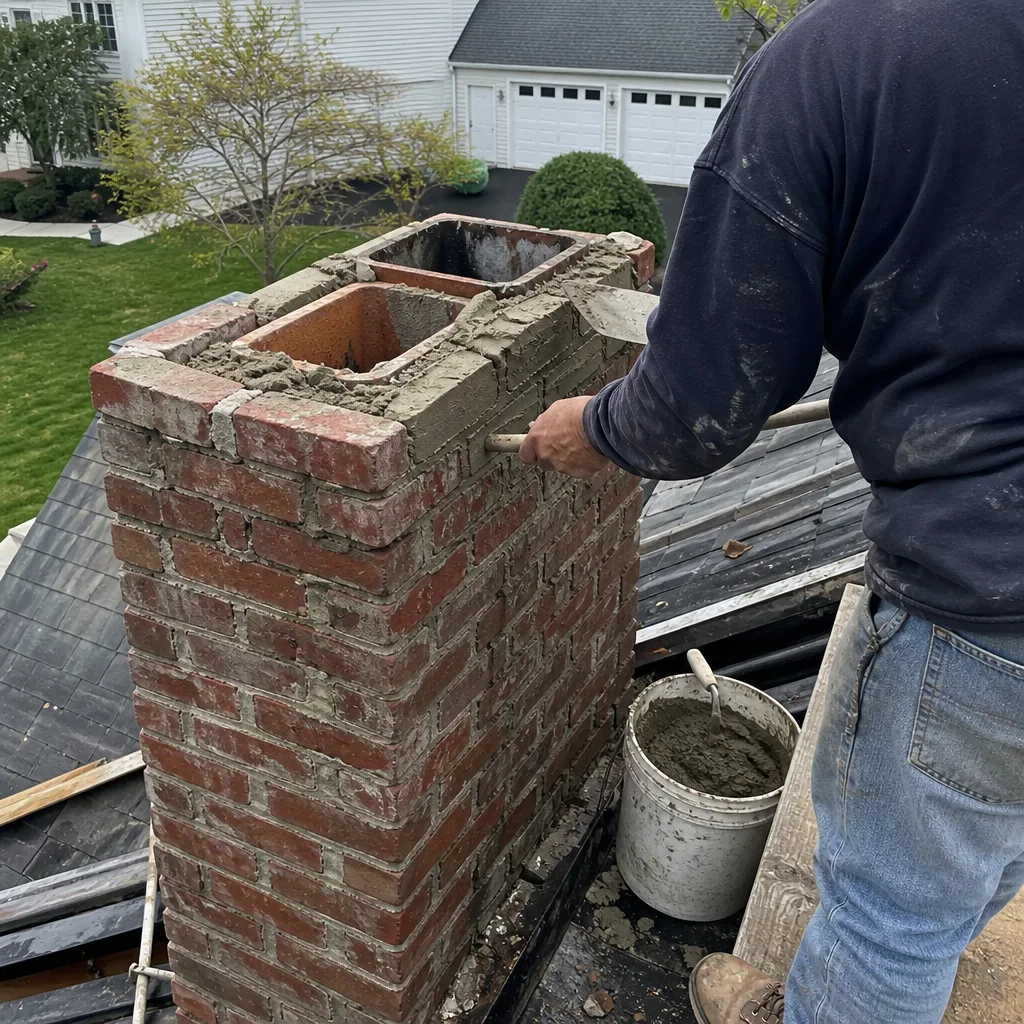
- Paying for a sweep and assuming it included an inspection. Most “cleaning specials” in Annapolis cover only creosote removal. Unless the quote specifically states a Level 1 or Level 2 inspection is included and a written report with photos will be provided, it’s a sweep only.
- Burning unseasoned wood because it was cheap. The cord sold for $180 from a truck on Route 50 near Parole may end up costing you a $400 creosote removal job. Wet wood produces cool, smoky fires that deposit Stage 2 creosote rapidly.
- Ignoring a missing or damaged chimney cap for a season. A missing cap lets rain into the flue. Rain plus creosote creates an acidic slurry that eats mortar joints and accelerates liner deterioration. A $250 cap replacement is cheap insurance.
- Skipping a Level 2 inspection after buying a home. Maryland home inspectors typically do a basic visual check of the firebox and exterior. They do not camera-scan the flue. If you bought an Annapolis home and have never had the flue camera-scanned, you’re operating blind.
- Using liquid creosote removers as a substitute for sweeping. These products can help loosen Stage 1 creosote between sweeps, but they are not a replacement for mechanical removal. No chemical dissolves Stage 3 glazed creosote.
- Hiring a sweep without checking the report format. If the company cannot show you a sample report from a previous job before you book, you’re likely to get a receipt, not a report. Ask for a sample.
- Delaying a liner replacement recommendation without getting a second opinion. A cracked liner gets worse every burning season. It doesn’t self-heal. If a sweep recommends liner work using DuraFlex or a similar stainless system, get it looked at promptly. The Fireplace Services in Annapolis page covers liner and fireplace repair options in more detail.
When to Call a Professional
Some situations demand immediate professional attention rather than a scheduled annual visit. Call a chimney service this week if you notice any of these: smoke backing up into the room when the fire is lit, a persistent smoky smell in the house even when the fireplace hasn’t been used, visible white staining on exterior brick, water dripping into the firebox, crumbling mortar or brick anywhere on the chimney, or a flue that hasn’t been cleaned in more than two years and is scheduled for regular use this winter. Also call promptly if you’ve had a chimney fire, even a small one that self-extinguished. The intense heat of a chimney fire can crack flue liners invisibly, even when the external masonry looks fine. Level Two Chimney Annapolis offers free estimates in Annapolis. Call (443) 274-4231 and we’ll get you scheduled for a full camera-scan inspection that shows you exactly what we see.
Frequently Asked Questions
A standard chimney sweep with a Level 1 inspection in Annapolis typically costs between $189 and $329 for a single flue. A Level 2 camera-scan inspection adds $150 to $300, and it’s the layer that reveals cracked liners, damaged mortar joints, and hidden creosote buildup that a flashlight can’t reach. Call (443) 274-4231 for an exact written quote. Estimates are free, and you’ll receive the price in writing before anyone starts work.
The NFPA standard is to have a chimney swept whenever creosote accumulation reaches 1/8 inch, and at minimum once per year for wood-burning fireplaces. Because Chesapeake Bay humidity accelerates creosote hardening, Annapolis homeowners who burn wood regularly from October through March should expect an annual sweep as a hard minimum. For a complete maintenance calendar, see our Seasonal Chimney Cleaning Care for Annapolis: Year-Round Homeowner’s Guide. Homes that burn unseasoned wood or use the fireplace as a primary heat source may need twice-annual attention.
Maybe, but you should never approve a liner replacement without seeing camera evidence. A cracked terra cotta liner is a legitimate safety hazard that allows heat and gases to escape into the home’s structure. But a stainless steel liner replacement from DuraFlex or similar is a $3,200 to $6,500 job, and you deserve proof before spending that. Ask for the camera photos showing the specific cracks or gaps. If the company won’t provide them, get a second opinion. We provide camera evidence on every job, and we’ll review any competitor’s written quote for free.
You can, but you shouldn’t. Roof work is dangerous, and the steep pitches common on Annapolis waterfront homes make it worse. Even if you manage the sweeping safely, you won’t have the camera equipment to inspect the flue interior, which means you’ll get the cleaning layer without the inspection layer. That’s the exact scenario that produces a clean but unsafe flue. This is a job for professionals with the right equipment and safety training.
A Level 1 inspection covers the readily accessible portions of the chimney and is appropriate when the chimney is in continuous service with no changes. A Level 2 inspection adds a camera scan of the flue interior, checks of the attic and crawlspace portions of the chimney, and is required when the home is sold, the fuel type changes, or a chimney fire or weather event has occurred. Most Annapolis home sales trigger a Level 2 requirement, and the buyers’ inspector almost never performs it. That falls to a chimney professional.
Creosote builds up in stages, and Stage 2 and Stage 3 creosote are far more expensive to remove than Stage 1. The buildup also narrows the flue, reduces draft, and increases the risk of a chimney fire. If moisture from missing caps or cracked crowns combines with creosote, the resulting acidic mixture accelerates damage to the flue liner and interior masonry. A chimney skipped for three years in Annapolis frequently needs mechanical creosote removal, a Level 2 inspection, and sometimes liner and crown work. The $229 annual sweep is far cheaper than the $5,000 repair package that deferred maintenance creates. Call (443) 274-4231 to schedule.
The Bottom Line
Chimney cleaning in Annapolis is not one service. It’s three layers, and the layer most companies emphasize, sweeping, is the least informative of the three. The inspection layer is where safety is actually determined. The documentation layer is what protects you when problems are found later. Annapolis’s humid Bay climate makes regular maintenance more necessary here than in drier regions. A clean flue can still be an unsafe flue, and the only way to know the difference is with a camera scan and a written report. Get the entire package in writing before work starts. Get the photos when it’s done. If you’re not getting both, you’re not getting what you paid for.
Written by Corrine Halstead, Owner at Level Two Chimney Annapolis, serving Annapolis since 2009.