
Last updated September 20, 2026
Level 1 sweep and inspection to the NFPA 211 annual standard - flue, crown, cap, and flashing checked and photographed
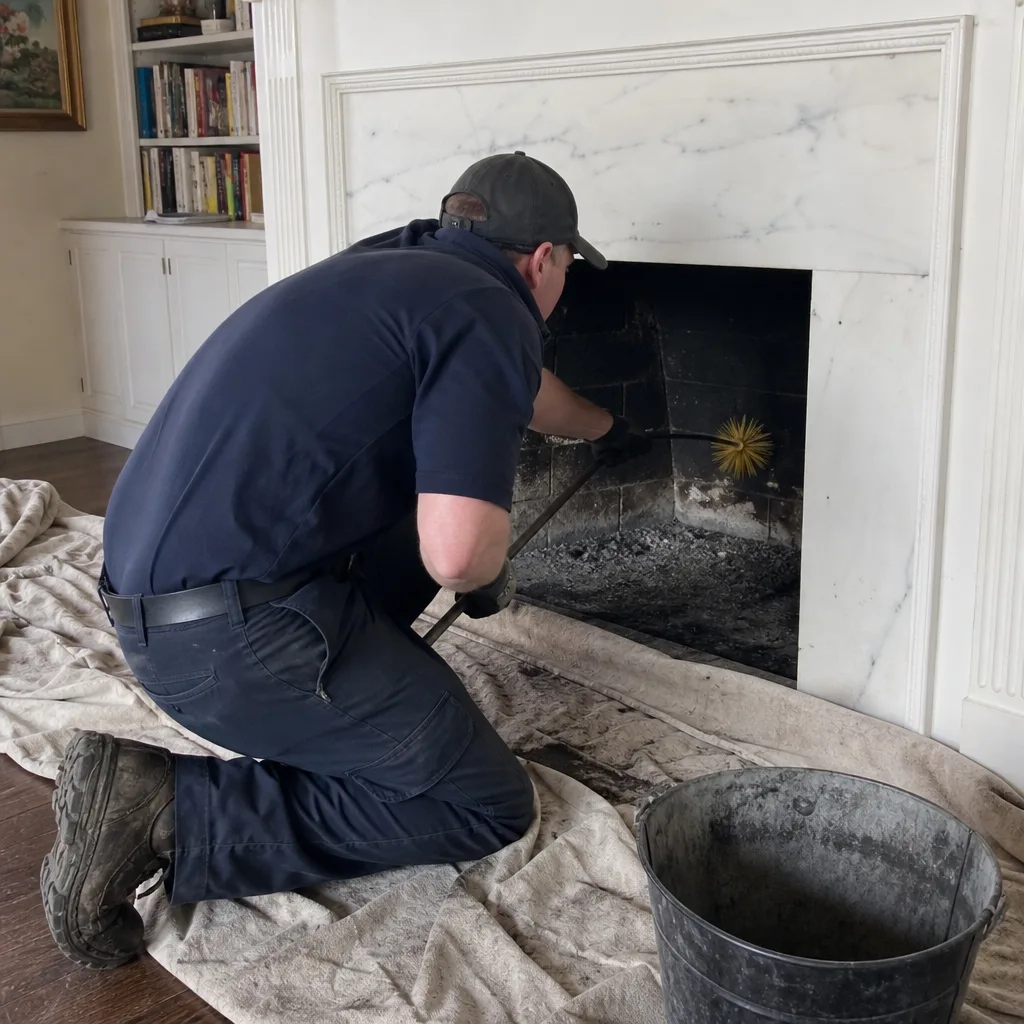
Chimney sweep logs do not sweep chimneys. They loosen some creosote - which then falls where a brush and vacuum still have to collect it.
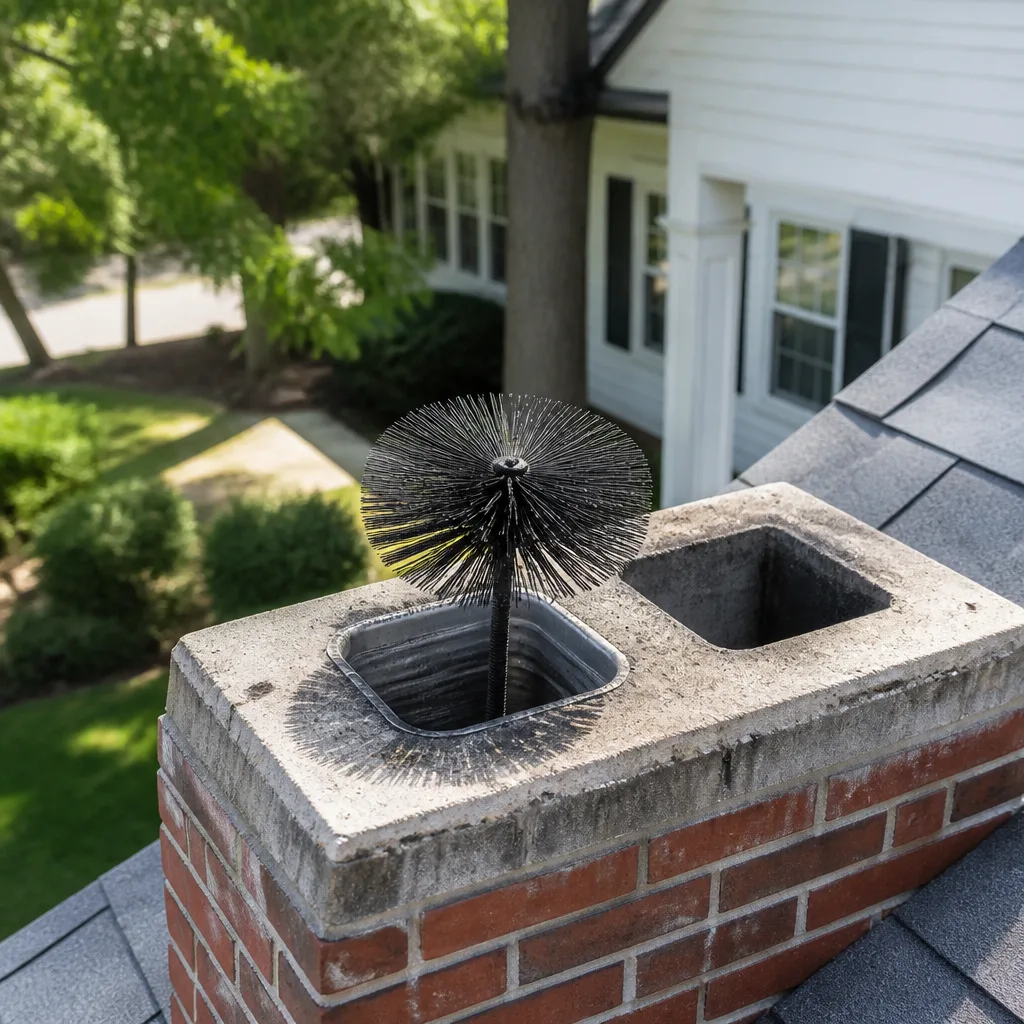
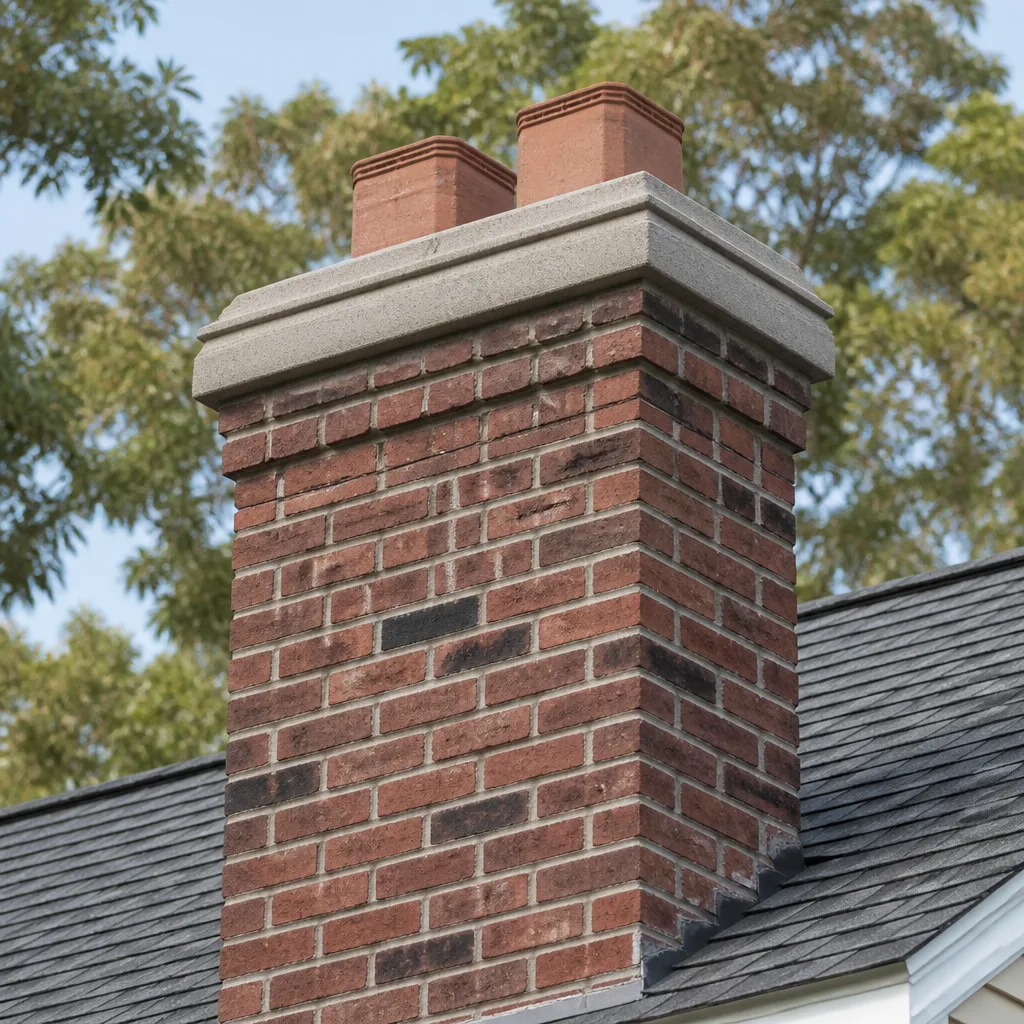
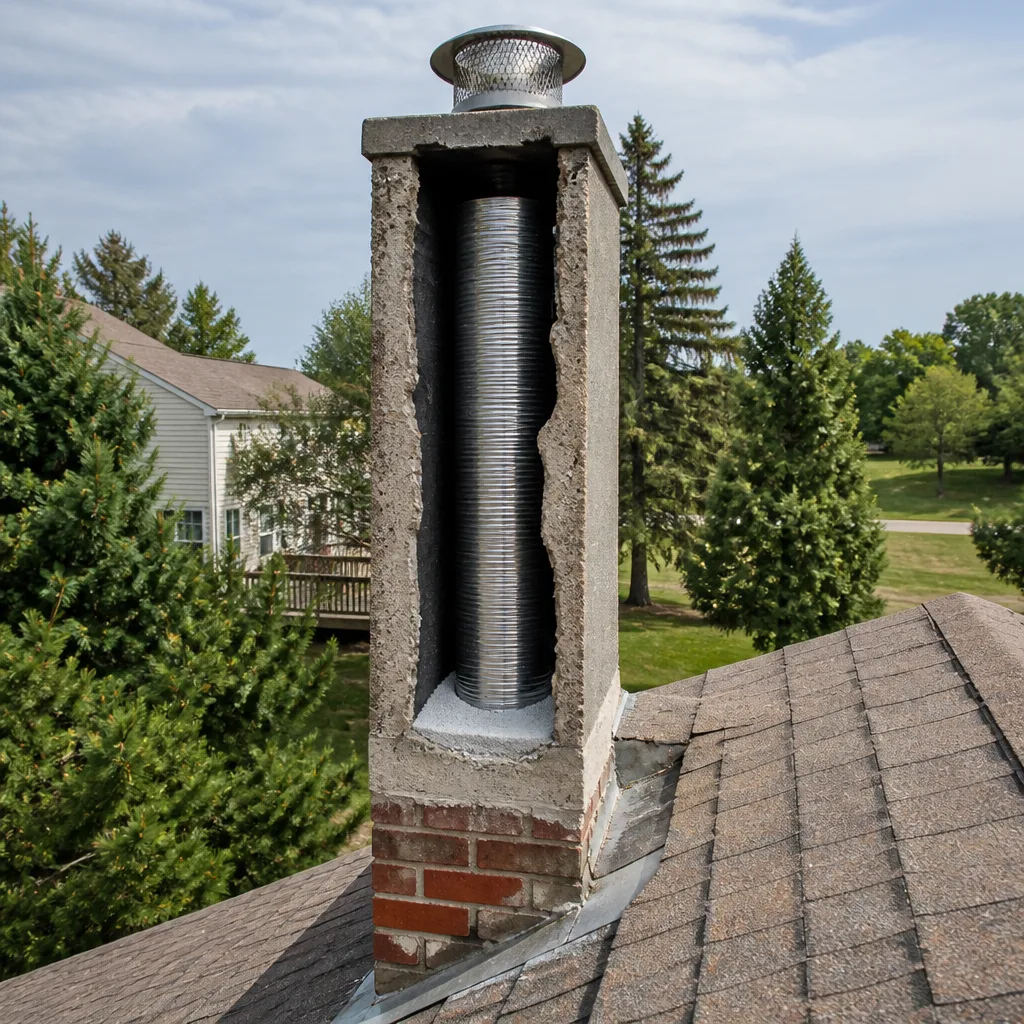
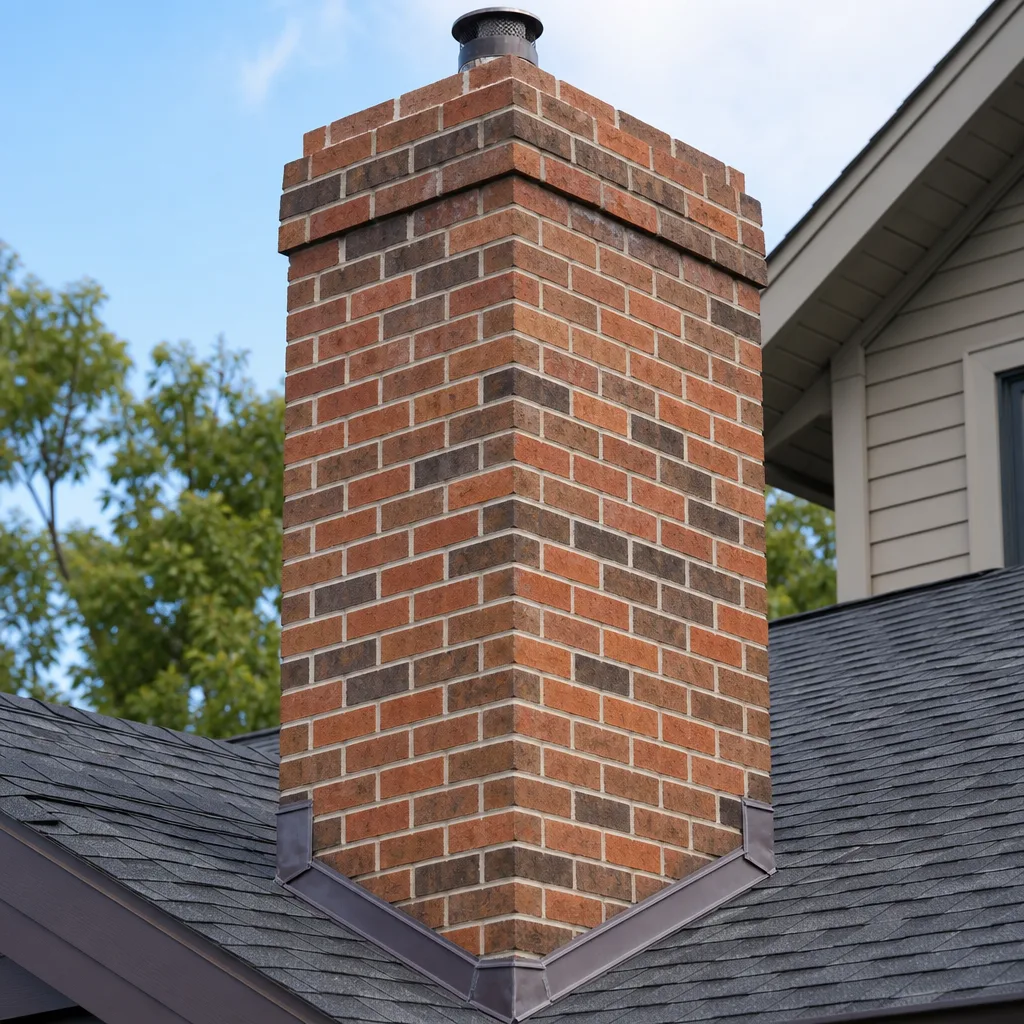
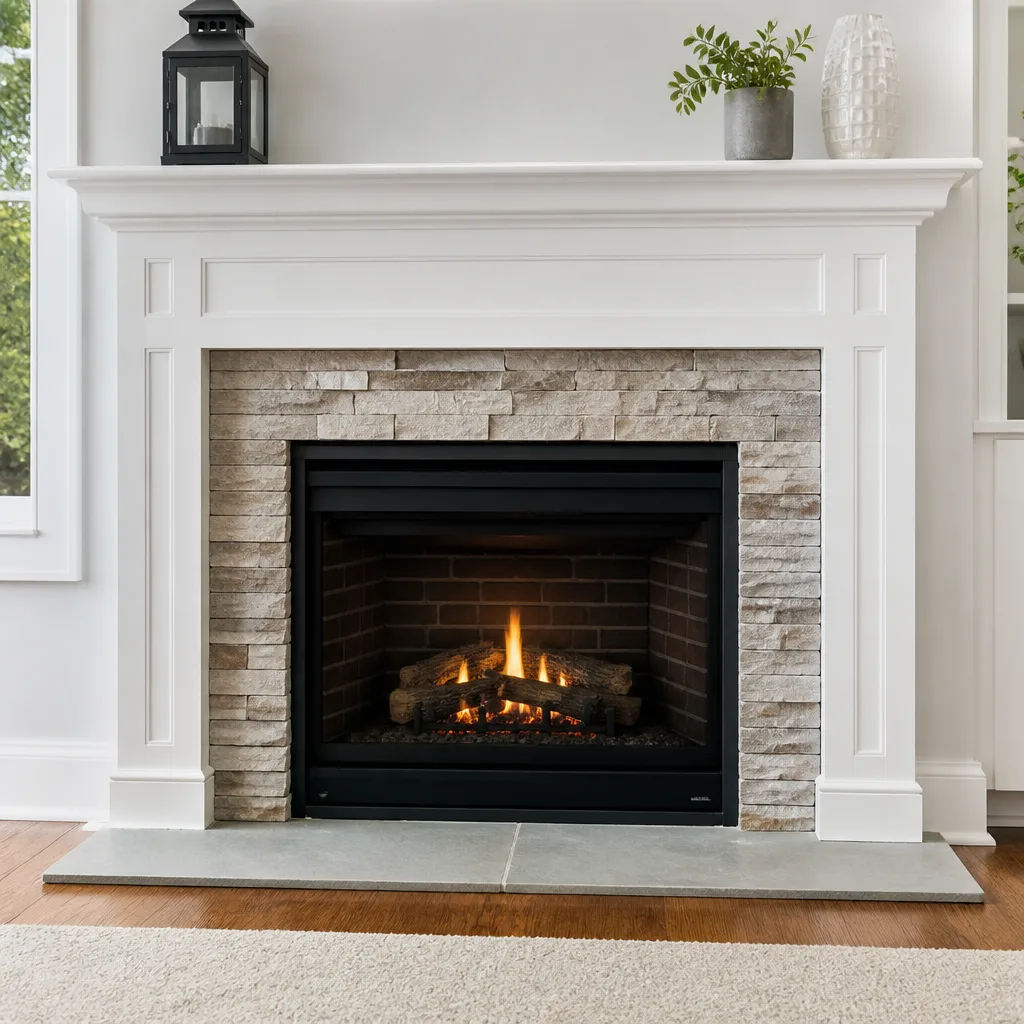
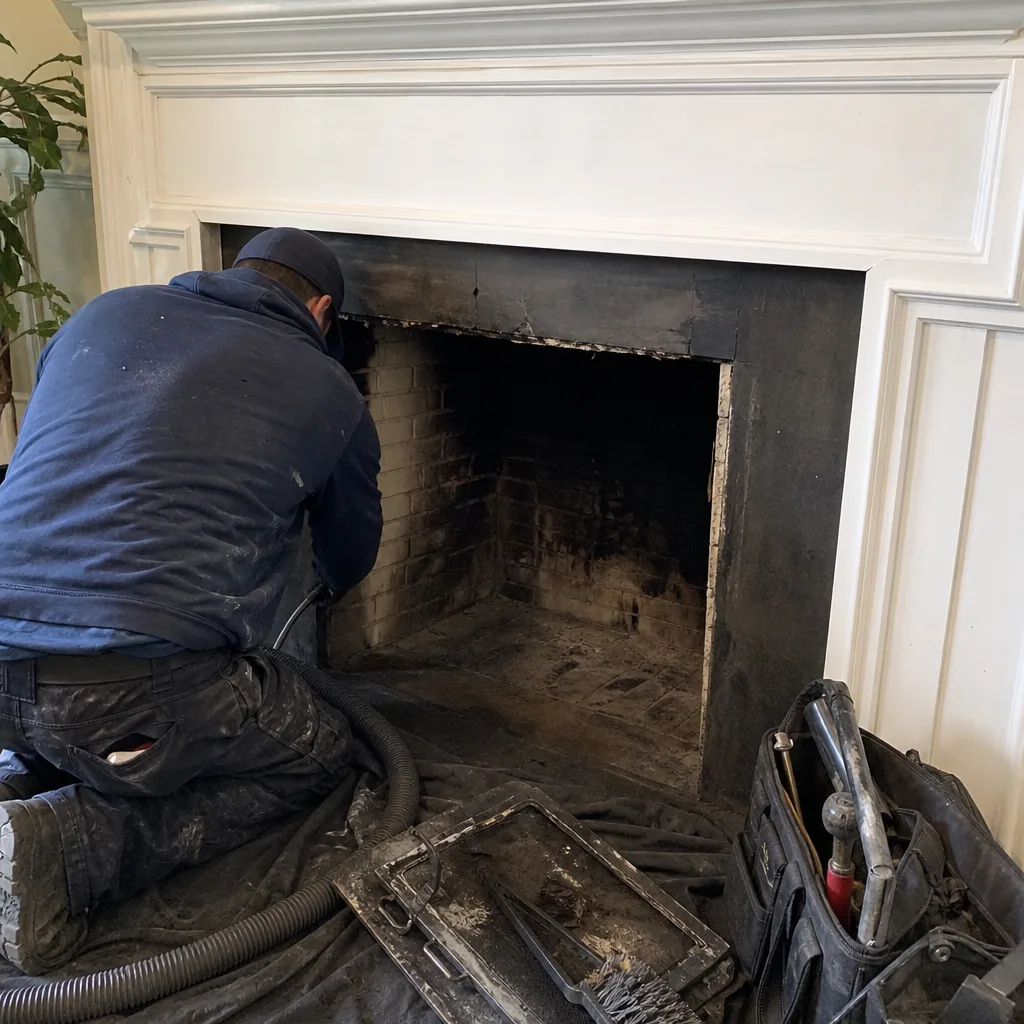 Before
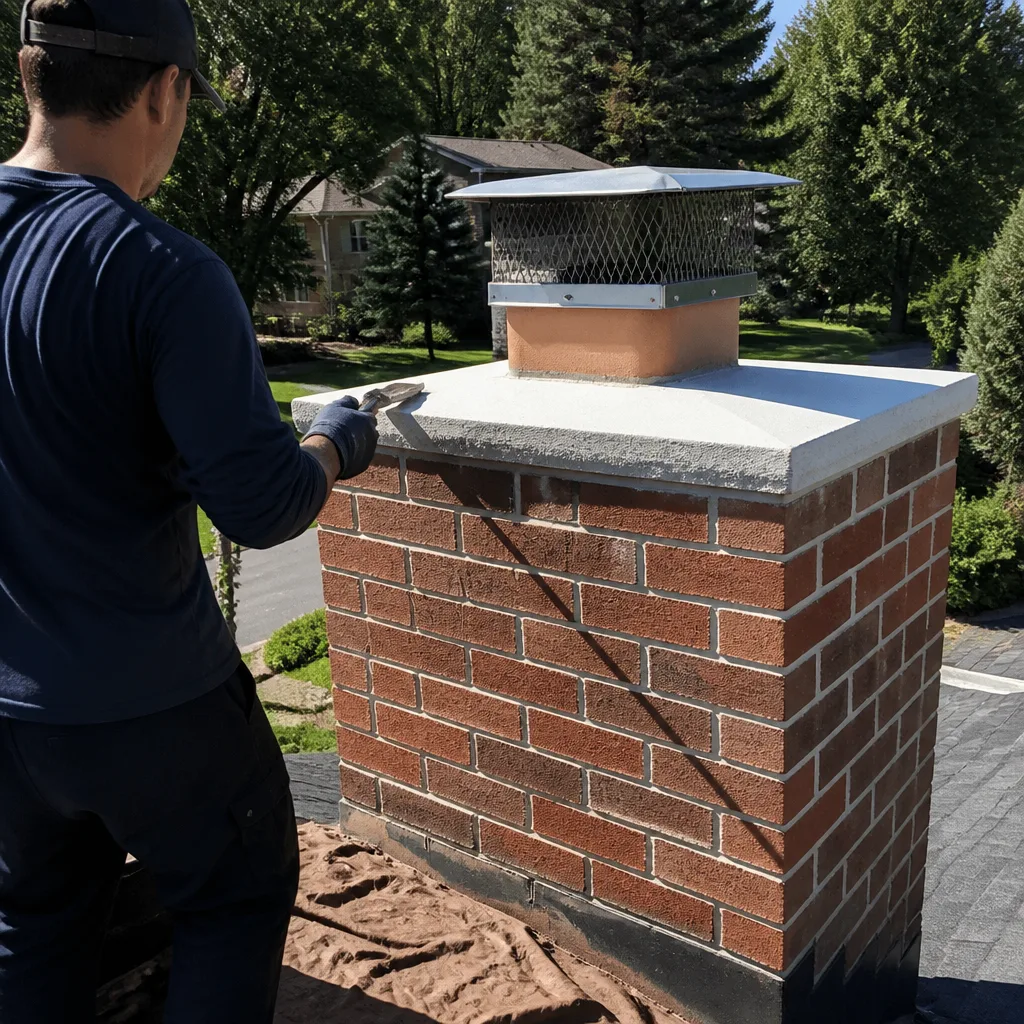 After
After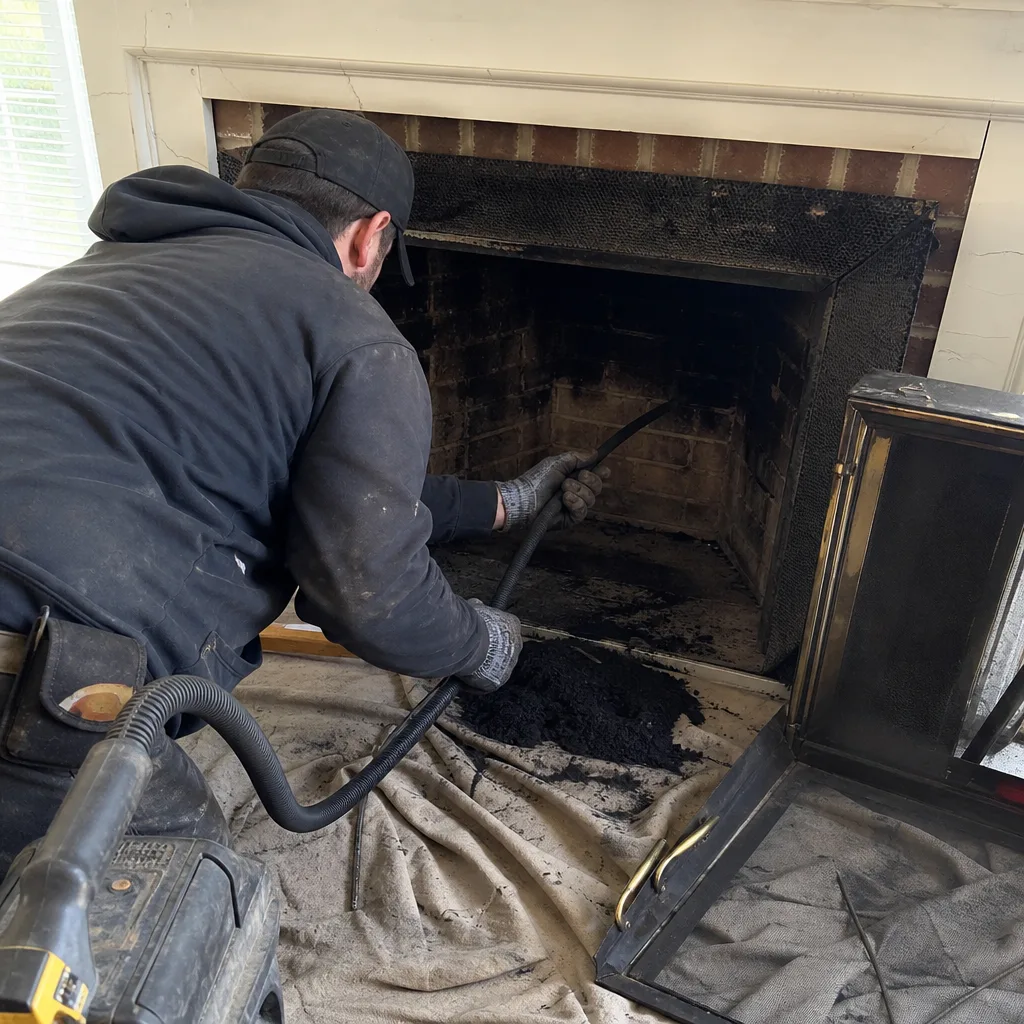 Before
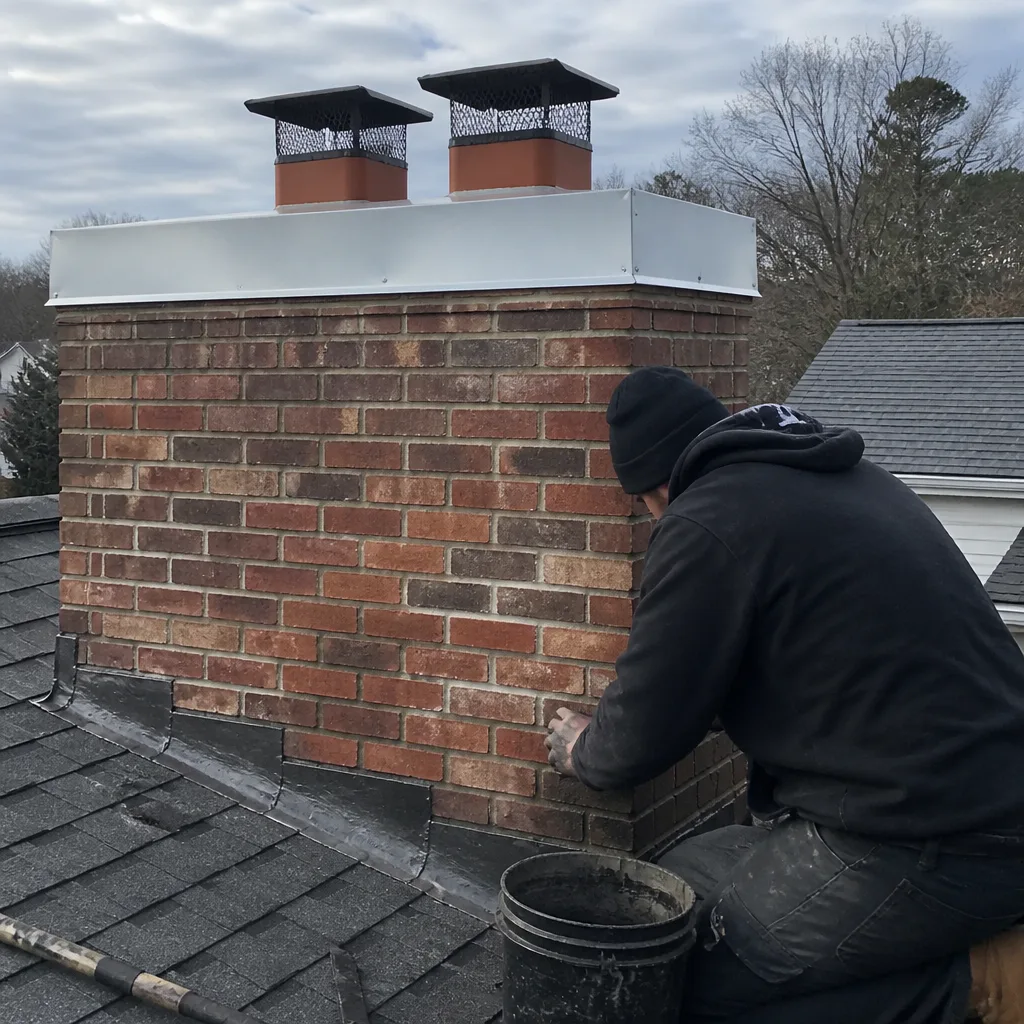 After
After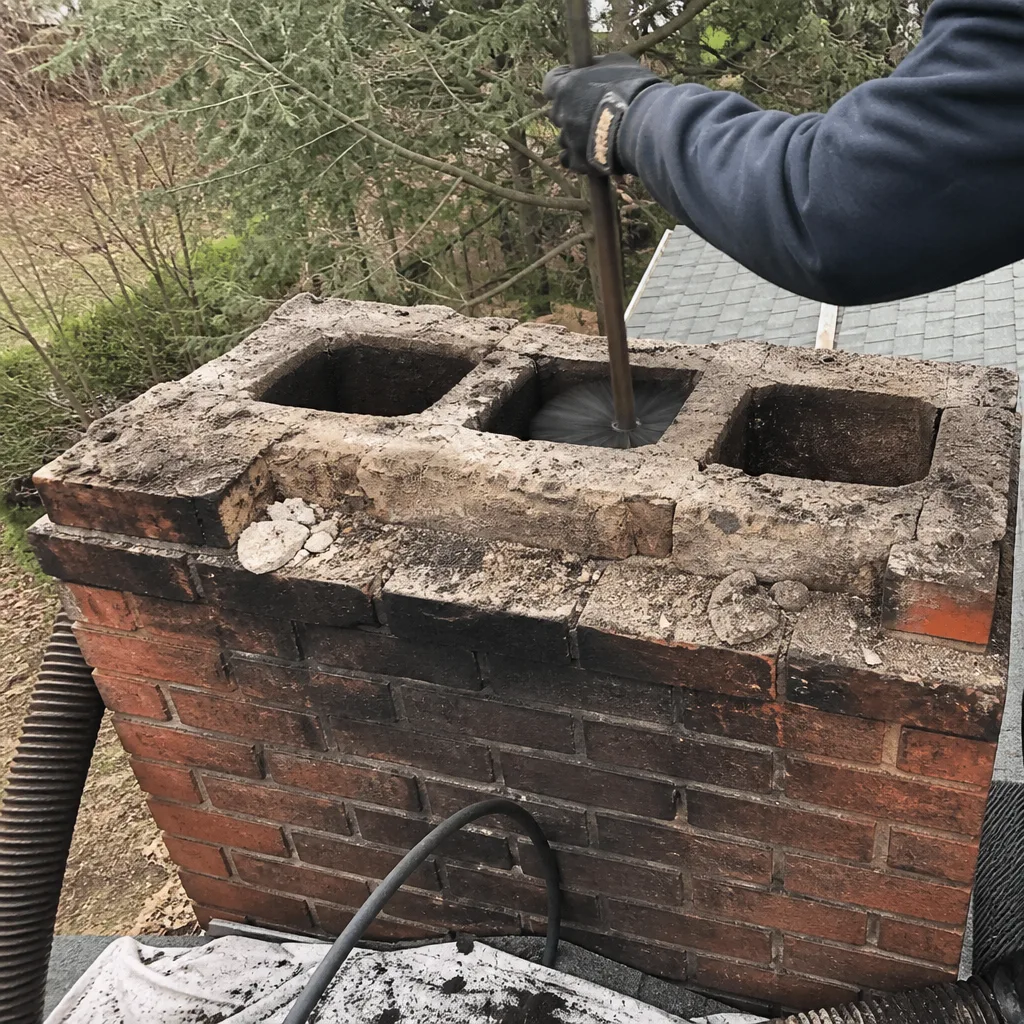 Before
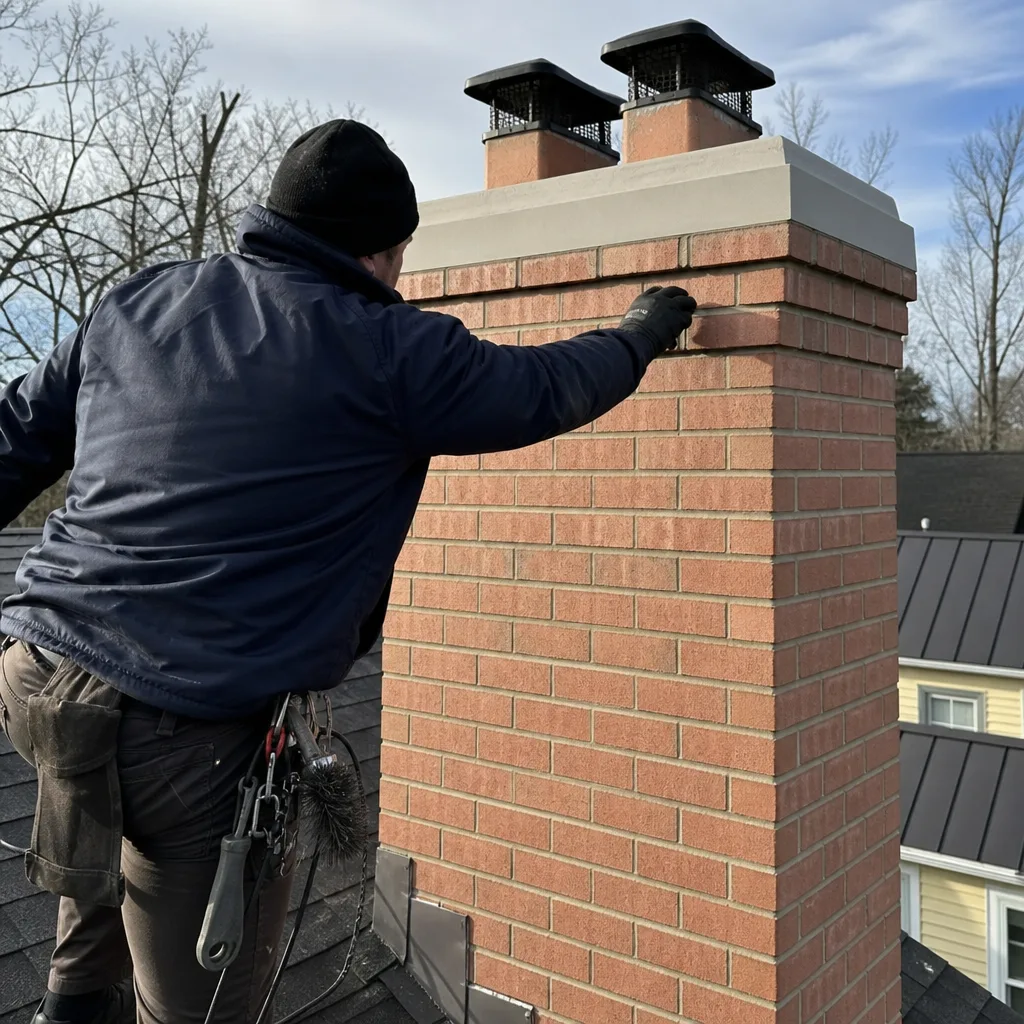 After
AfterHow to Hire a Chimney Cleaning Contractor in Annapolis: A Step-by-Step Guide
Maryland has no state licensing requirement for chimney sweeps. Let that land for a moment. Anne Arundel County doesn’t require one either. That means when you hire a chimney cleaning contractor in Annapolis, the only filter standing between your family and a completely unqualified person with a brush and a pickup truck is the filter you build yourself. This guide walks you through that filter, step by step, using the standard Corrine Halstead has applied to every Level Two Chimney Annapolis job since 2009: if it isn’t in writing, it didn’t happen. For more guides & resources on protecting your home, see our blog. By the end, you’ll know exactly what to require before anyone climbs onto your roof in Annapolis, and what a camera image should prove when they come back down.
Quick Answer
To hire a chimney cleaning contractor in Annapolis, require four written deliverables before signing anything: an itemized quote, a scope-of-work description, a camera documentation policy, and warranty terms. Then verify their insurance certificate names you as additionally insured and covers chimney work specifically. A contractor who won’t put these in writing is not a contractor; they’re a person with a ladder.
Table of Contents
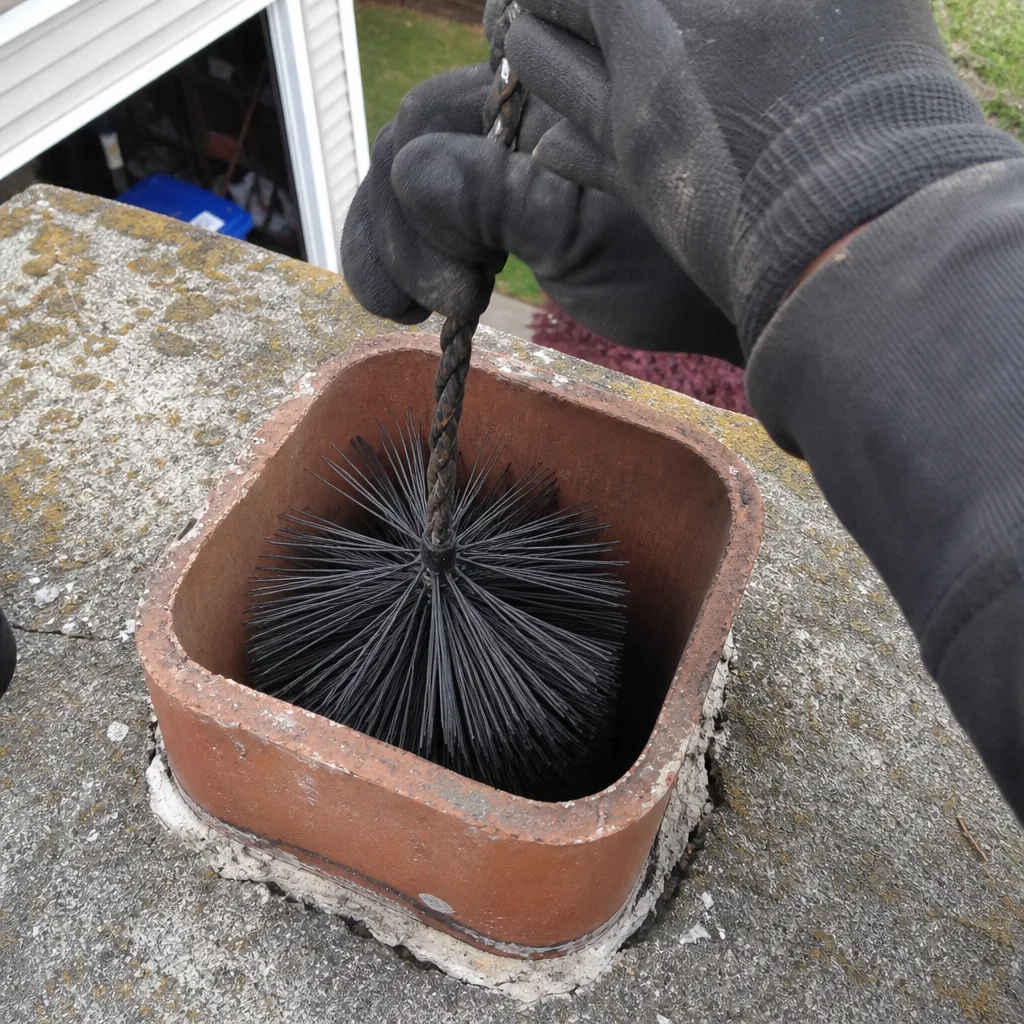
- Why Annapolis Needs a Different Hiring Standard
- The Four Written Deliverables to Require Before Signing Anything
- How to Compare Quotes That Aren’t Structured the Same Way
- Interview Questions That Distinguish Inspectors from Salespeople
- How to Verify Insurance Coverage for Chimney Work in Maryland
- Red Flags Specific to the Annapolis Market
- Common Mistakes to Avoid
- When to Call a Professional
BeforeAfterWhy Annapolis Needs a Different Hiring Standard
Annapolis is a salt-air town. The Chesapeake Bay sits two miles from most chimneys in the city, and that proximity does two things to masonry, which is why seasonal chimney cleaning care for Annapolis matters year-round. First, brick and mortar absorb moisture during the humid months from June through September, then freeze-thaw cycles from December through February force that trapped water to expand and contract. We see spalling, which means brick faces flaking off in sheets, on chimneys all over Admiral Heights and Murray Hill. Second, the constant moisture accelerates creosote corrosion inside flue liners, especially in older homes built before modern stainless liners became standard.
What this means in practical terms: a chimney in Annapolis needs more than a visual once-over. It needs a camera scan of the flue interior, because the damage that matters most here starts inside, where you can’t see it from the ground. When we inspect chimneys in Eastport or West Annapolis, we’re looking for exactly this: liner cracks, moisture intrusion at the crown, and creosote buildup in the smoke chamber. The Level Two Chimney Annapolis home inspection standard was built around this reality, because the salt air here doesn’t wait for you to notice a problem.
Climate matters to hiring because it dictates what “clean” actually means. A sweep who works mostly in drier inland markets may not recognize early-stage spalling or salt-crusted mortar joints for what they are. You want someone who knows what Annapolis chimneys look like after ten winters, not someone who read about freeze-thaw in a manual.
The Four Written Deliverables to Require Before Signing Anything
Here is the framework. These four documents are the difference between hiring a professional and paying for a story. Require all four before work begins, not after.
- Itemized quote. Every line item listed, priced in dollars, with no “labor and materials” lump sum. If a contractor won’t break out the cost of the cap, the crown repair, and the sweep separately, they’re hiding margin or covering for scope they haven’t actually determined yet. Clause 1 of the Haven Standard requires a written price before work starts, and that price includes a written scope. No exceptions, no verbal estimates, no “we’ll figure it out when we’re up there.”
- Scope-of-work description. This is the paragraph or list that says exactly what will be done, in what order, with what materials. “Clean chimney” is not a scope. “Remove creosote from flue liner, smoke chamber, and firebox; camera-scan flue liner before and after; photograph smoke chamber; apply water repellent to crown” is a scope. The scope gives you something to hold them to if the work is disputed. Without it, you’re arguing about memories, and memories lose.
- Camera documentation policy. This one is critical and it’s where most Annapolis sweeps fall short. Ask: “Do you camera-scan the flue during the inspection? Do I get the images?” If the answer is “we do a visual inspection,” you’re hiring someone who can only see the first two feet of the flue. The liner could be cracked at the 15-foot mark and they’d never know. Clause 4 of the Haven Standard requires a documented photo record on every job, and we’ve done it that way since 2009, continuously. The camera doesn’t lie; people do.
- Warranty terms. What happens if the work fails? What does “done right” mean in their contract? A warranty that says “we’ll come back and look at it” is not a warranty; it’s a visit. You want specific language: what’s covered, for how long, and what triggers a callback. The 365-Day Done Right Promise is stamped on every Level Two job under the Haven Standard. If it’s not done right, we make it right. Ask the same of anyone you hire.
What these four documents’ absence signals: a contractor who works on verbal handshakes is one you’ll have no recourse with when the invoice shows up higher than the quote, or the work doesn’t match what was promised. In Annapolis, where word-of-mouth referrals on Nextdoor and the Eastport Neighborhood Association Facebook group carry real weight, the pressure to “just trust the local guy” is strong. Trust is fine. Written deliverables are better.
How to Compare Quotes That Aren’t Structured the Same Way
You’ll likely get three quotes. They won’t look alike. One contractor quotes a flat $249 for a “standard clean.” Another quotes $425 with a liner inspection, cap check, and camera scan. A third quotes $600 and includes a crown seal. How do you compare these without getting lost in line-item confusion? Our chimney cleaning cost breakdown for Annapolis homeowners explains what to expect in 2026.
Step One: Normalize the Scope, Not the Price
Write down the five core elements every chimney cleaning in Annapolis should include, then check each quote against that list:
- Creosote removal from flue liner, smoke chamber, and firebox
- Camera scan of the flue liner with images you keep
- Chimney cap inspection for rust, blockage, or missing mesh
- Crown inspection for cracks or water intrusion
- Damper operation check
If a quote is missing any of these, add the missing item’s approximate cost back into the comparison. A $249 quote that omits a camera scan isn’t cheaper; it’s incomplete. The camera scan, which most contractors charge $75-$125 to add, is the only way to see liner damage. Skipping it to save money on a cleaning is like buying a car without popping the hood.
Step Two: Convert Non-Equivalent Materials to Equivalent Ones
When you ask about materials for liner work, you’ll hear different brand names. We use materials sourced from HeatShield, Gelco, and Olympia Chimney, procured through Haven’s buying network to keep customer prices honest. These are ceramic and stainless systems, not patch kits. If a quote specifies “sealant” without naming a product, ask what product. If they can’t tell you, that’s a scope you can’t compare, which means you can’t verify what you’re paying for.
Step Three: Price the Deliverable Gap
Every quote has a deliverable gap, which is the difference between what they promise to do and what they promise to document. Quantify it. If Contractor A charges $300 and gives you nothing on paper, and Contractor B charges $450 and gives you a camera-scan photo record, a written scope, and a warranty, the $150 gap is the price of evidence. You are not paying for cleaning at that point; you are paying for proof that cleaning happened and nothing else is wrong. That proof is worth the gap in Annapolis, where the freeze-thaw cycle means a missed liner crack becomes a $4,000 repair inside three winters.
When you’re comparing quotes for Chimney Cleaning & Sweep in Annapolis, the price on the page is less important than the scope behind it. That’s why a flat-rate quote with no scope attached is a red flag, not a deal.
Interview Questions That Distinguish Inspectors from Salespeople
Most chimney contractors in Annapolis are salespeople in technician clothing. They get paid on commission for liner relining jobs, cap replacements, and waterproofing treatments. The way to separate an inspector from a salesperson is to ask questions about nothing. Specifically, what they look for when they find nothing wrong.
Here are four questions to ask, and what the answers reveal:
- “When the chimney is clean and nothing is wrong, what do you look for anyway?” An inspector says: “I check the crown for hairline cracks, the flashing for seal gaps, and the damper for operation, because those are the things that become $2,000 problems next year.” A salesperson says: “I just clean it and get out of there.” The inspector’s answer shows they understand prevention; the salesperson’s shows they only understand transactions.
- “What does your camera scan look for that a visual inspection can’t?” An inspector says: “liner cracks at the upper third, moisture staining at the flue joints, and creosote class I can’t see from the roof.” A salesperson says: “we don’t really do camera scans, but I’ve been doing this for 20 years.” Years of experience don’t create visibility. The camera does.
- “If you find something wrong, do I get photos before we talk about cost?” An inspector says: “yes, and I’ll walk you through each one while the camera is still in the flue.” A salesperson says: “I’ll explain it to you.” That’s not the same thing. Photos are evidence. Explanations are persuasion.
- “What’s your warranty if a repair fails in six months?” An inspector says: “365 days, in writing, here’s what’s covered.” A salesperson says: “we’ll work with you.” That’s not a warranty; that’s a negotiation position. The 365-Day Done Right Promise exists precisely because “we’ll work with you” is not a commitment.
In Annapolis, these questions matter. The seasonal rush hits in September and October, when homeowners realize they haven’t used the fireplace since March and now it’s time. That rush brings out the commission-driven crews. Asking about what they look for when nothing is wrong will filter them out in about ninety seconds.
How to Verify Insurance Coverage for Chimney Work in Maryland
Here’s what nobody tells you about insurance certificates: they’re easy to fake and even easier to misunderstand. A contractor in Maryland can produce a certificate of insurance that looks official but lapsed six months ago, or doesn’t actually cover chimney work. For details on chimney cleaning permits, codes & inspections in MD, see our compliance guide. Verifying coverage takes fifteen minutes and protects you from a very specific scenario: someone falls off your roof, their injuries exceed their coverage, and your homeowner’s insurance gets dragged into a lawsuit.
- Ask for a certificate of insurance directly from their insurer. Not from the contractor. A legitimate contractor will give you both the certificate and the insurer’s name and policy number. Call the insurer to confirm the policy is current and active. It’s a five-minute phone call.
- Check that the certificate covers chimney and roof work specifically. General liability policies often exclude “roofing operations” or “heights above two stories.” Chimney work is not the same as general handyman work in an insurer’s eyes. The certificate should list the policy type and any relevant endorsements. If it says “handyman services” and not “chimney services,” the coverage may not apply.
- Ask to be named as additionally insured for the job. This is a standard request that legitimate contractors accommodate without hesitation. Being named additionally insured means that if something goes wrong on your property, their policy covers you directly, not just them. If they refuse or act confused, that’s a signal.
- Verify worker’s compensation coverage. Maryland requires it for any contractor with employees. If a sweep sends a subcontracted “helper” onto your roof and that person falls, you want their worker’s comp in place. Without it, the injured worker can sue you personally. Ask for a worker’s comp certificate in addition to general liability. This is different from general liability insurance, and it’s where a lot of small operations fall short.
The insurance conversation is where you separate the professionals from the pickup trucks. A Chimney Repair in Annapolis contractor who treats this as a normal part of the conversation is someone you can trust to be on your roof.
Red Flags Specific to the Annapolis Market
Every market has its grift patterns. Annapolis has three, and they’re all seasonal.
- Nor’easter surge pricing. After a strong nor’easter rolls through in late winter, chimney caps get damaged, flashing loosens, and liners crack. The fly-by-night crews know this. They paper neighborhoods in Eastport and Hillsmere with “storm damage inspection” flyers, then quote emergency repairs at double normal rates. A legitimate contractor’s rates don’t change because it rained hard last week. The price you pay should be the price on the page, not the price of the weather.
- Liner upsell during cleaning visits. This is the classic. A crew quotes a $249 clean, climbs on the roof, and comes down with photos of a “cracked liner” that needs $4,500 in immediate relining. Sometimes the liner is genuinely cracked; frost damage in Annapolis is real. But the giveaway is the timing. A legitimate inspector who finds a cracked liner on a cleaning visit will document it, show you the camera scan, and give you a written quote. They won’t pressure you to authorize work on the spot. The phrase to watch for: “we can squeeze you in while we’re here.” Legitimate work doesn’t require urgency theatre.
- Inspection “add-ons” that should be standard. Some contractors quote a low cleaning price, then add fees for the camera scan, the cap inspection, the damper check, and the smoke chamber inspection. Here’s the rule: a camera scan is not an add-on. It’s the inspection. If it’s priced separately, the base price was a teaser rate, not an honest quote. The camera scan should be included in the price you’re quoted, and it should be documented with images you keep.
Annapolis’s housing stock skews older. Homes in the Historic District and the neighborhoods around it were built before modern liner standards existed, which means legitimate liner issues are common. That makes the upsell pressure worse, because the crews know the liners are old. They’re playing a probability game, not a diagnostic one. The camera scan is how you defeat that game.
Common Mistakes to Avoid
- Hiring based on lowest price without a written scope. The $199 “sweep special” in Annapolis is almost always a teaser. The contractor gets on the roof, finds “problems,” and the final invoice is $800. The scope-of-work description is your anchor. Without it, every quote is just a number floating in the air.
- Skipping the camera documentation requirement. A visual inspection can’t see the upper third of the flue liner, where most freeze-thaw cracking occurs in Maryland’s climate. Require the camera scan and require the images. If you don’t have photos, you don’t have evidence, and evidence is the entire point.
- Accepting verbal assurances in place of written warranties. “I’ve been doing this for twenty years and I stand behind my work” is not a warranty. It’s a personality claim. The 365-Day Done Right Promise is a written commitment. Personality is not.
- Forgetting to verify worker’s comp insurance. Maryland’s requirements are clear, but enforcement is lax. A fall from your roof by an uninsured worker can become your liability. Verify coverage every time.
- Signing on the spot during an inspection. Legitimate inspection findings are documented with photos and quoted in writing. You should have time to review them. High-pressure “authorize now” pushes during a visit are the hallmark of a sales operation, not an inspection company.
- Choosing a chimney sweep who doesn’t know Annapolis’s climate. Salt air, freeze-thaw cycles, and older masonry stock are specific to this region. A sweep who works mostly in Virginia’s inland counties won’t recognize early spalling the way a local crew will.
- Paying cash without a receipt or written record. Cash payments with no paper trail leave you with zero leverage if the work is disputed. Pay by check or card, and get a written invoice with the scope of work attached. The paper is your protection.
When to Call a Professional
You should call a chimney professional in Annapolis when: you’ve used the fireplace more than twenty times since the last cleaning; you smell smoke inside the house after a fire; you notice white staining on the exterior brick, which is efflorescence and a sign of water intrusion; or you’ve never had a camera scan done and the home is older than fifteen years. These conditions are not DIY territory. A sweep with a camera and a written scope will identify what’s actually happening, not what a guess suggests. Level Two Chimney Annapolis offers free estimates in Annapolis and throughout Anne Arundel County. Call (443) 274-4231 and we’ll put it in writing before anyone climbs on the roof.
Frequently Asked Questions
A standard chimney cleaning in Annapolis typically runs between $229 and $390, depending on creosote class, roof access, and whether the smoke chamber requires extra work. A camera-scan inspection should be included in that price, not added on as a separate line item. Call (443) 274-4231 for an exact quote; our estimates are free and written before anything is scheduled.
You can only answer this with camera evidence, which is why we include a documented photo record on every visit. If a contractor tells you a liner needs replacement and cannot show you the crack, the pitting, or the separated flue joint on camera, that’s not a diagnosis; it’s a sales pitch. Ask for the images first, then make a decision.
The National Fire Protection Association recommends a sweep when creosote reaches 1/8 inch or more of buildup, which in Annapolis’s climate typically translates to once per year if you burn regularly from October through March. A camera scan during the sweep will show you the actual buildup, so you can decide based on data, not a calendar.
Creosote buildup becomes a chimney fire risk. Class III creosote, which is the glazed, tar-like accumulation you get from burning wet or unseasoned wood, ignites at around 2,000 degrees Fahrenheit and can crack a flue liner in seconds. A cracked liner then allows heat and combustion gases into the chimney chase, and that’s how house fires start. Call us at (443) 274-4231 if you’re unsure when your last sweep happened; we’ll check it and show you the pictures.
A legitimate chimney inspection in Annapolis should include a camera scan of the flue liner, a visual check of the mortar crown for cracks, a cap inspection for rust or blockage, a damper operation test, and a written record of all findings. If the “inspection” is a flashlight look from the rooftop, you’ve paid for a visual estimate, not an inspection. Fireplace Services in Annapolis should be documented the same way as chimney work; the two go together every time.
Yes, if they physically access the chimney, not just look from the ground. A proper cap inspection means getting on the roof and examining the mesh for rust, the attachment points for looseness, and the underside for creosote blockage. We check the cap on every visit because a damaged cap in Annapolis’s salt-air environment fails within a season or two, and a failed cap lets rain, birds, and debris into the flue. Call (443) 274-4231 to schedule a check; the estimate is free and written.
The Bottom Line
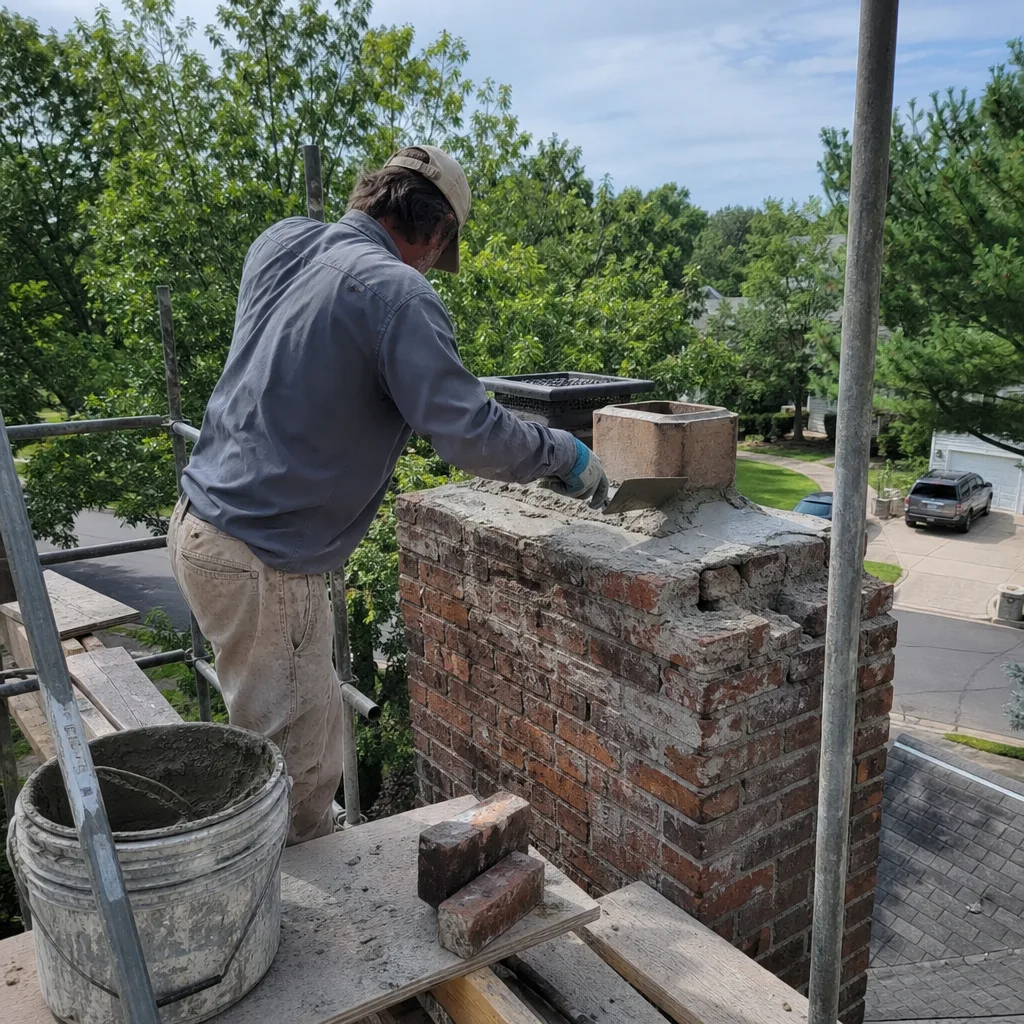
Hiring a chimney cleaning contractor in Annapolis comes down to one test: will they put it in writing before the work starts and document it before they leave? CSIA certification tells you a sweep passed a test. It tells you nothing about whether they’ll hand you a camera image, a written price, or a warranty when the job is done. Those are negotiated separately, or not at all. Require the four written deliverables: itemized quote, scope-of-work description, camera documentation policy, and warranty terms. Then verify the insurance certificate. Compare quotes by normalizing scope, not price. Ask the interview questions that separate inspectors from salespeople. And if you want an inspection standard that’s been the same since 2009, where the camera goes down the flue on every visit and the photo record is Clause 4 of the Haven Standard, we’d be glad to show you what that looks like. Call (443) 274-4231. The estimate is free. The evidence is standard.
Written by Corrine Halstead, Owner at Level Two Chimney Annapolis, serving Annapolis since 2009.