
Last updated September 20, 2026
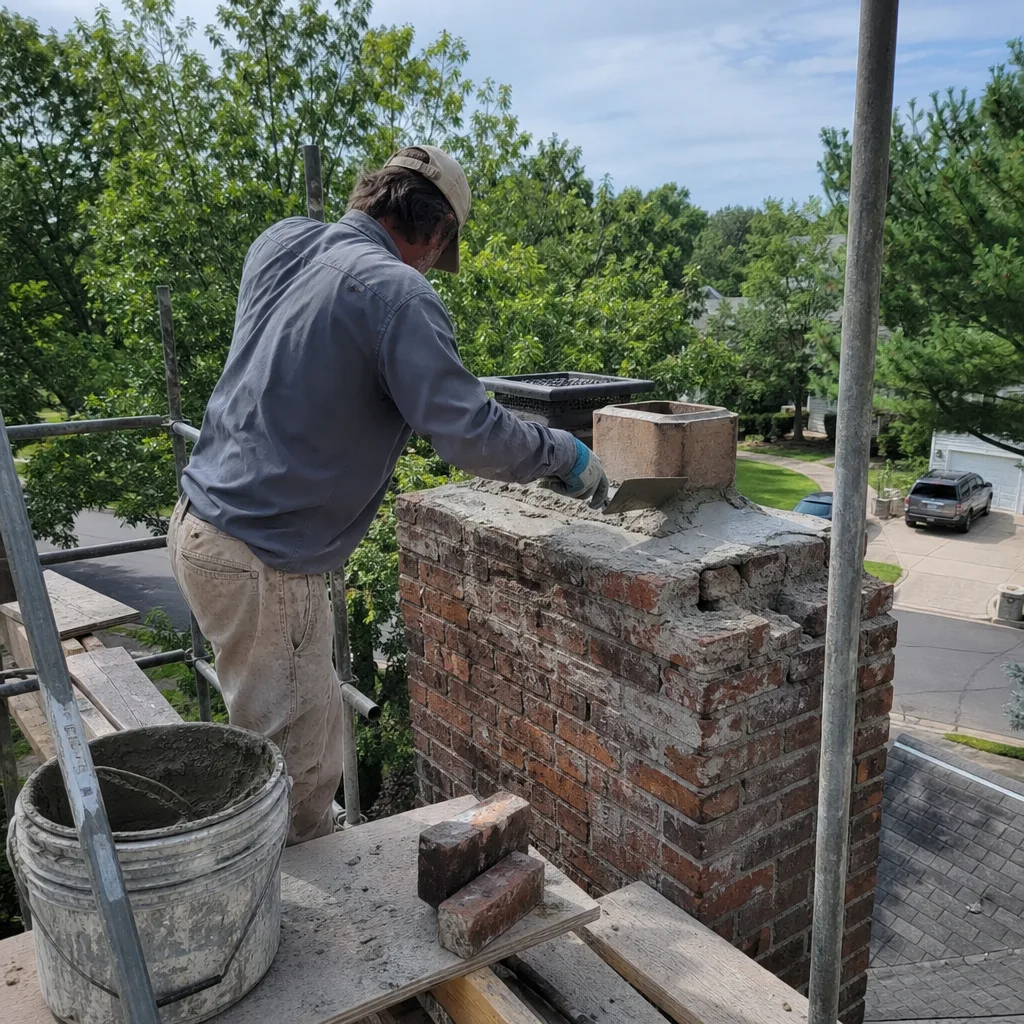
Level 1 sweep and inspection to the NFPA 211 annual standard - flue, crown, cap, and flashing checked and photographed
Chimney sweep logs do not sweep chimneys. They loosen some creosote - which then falls where a brush and vacuum still have to collect it.
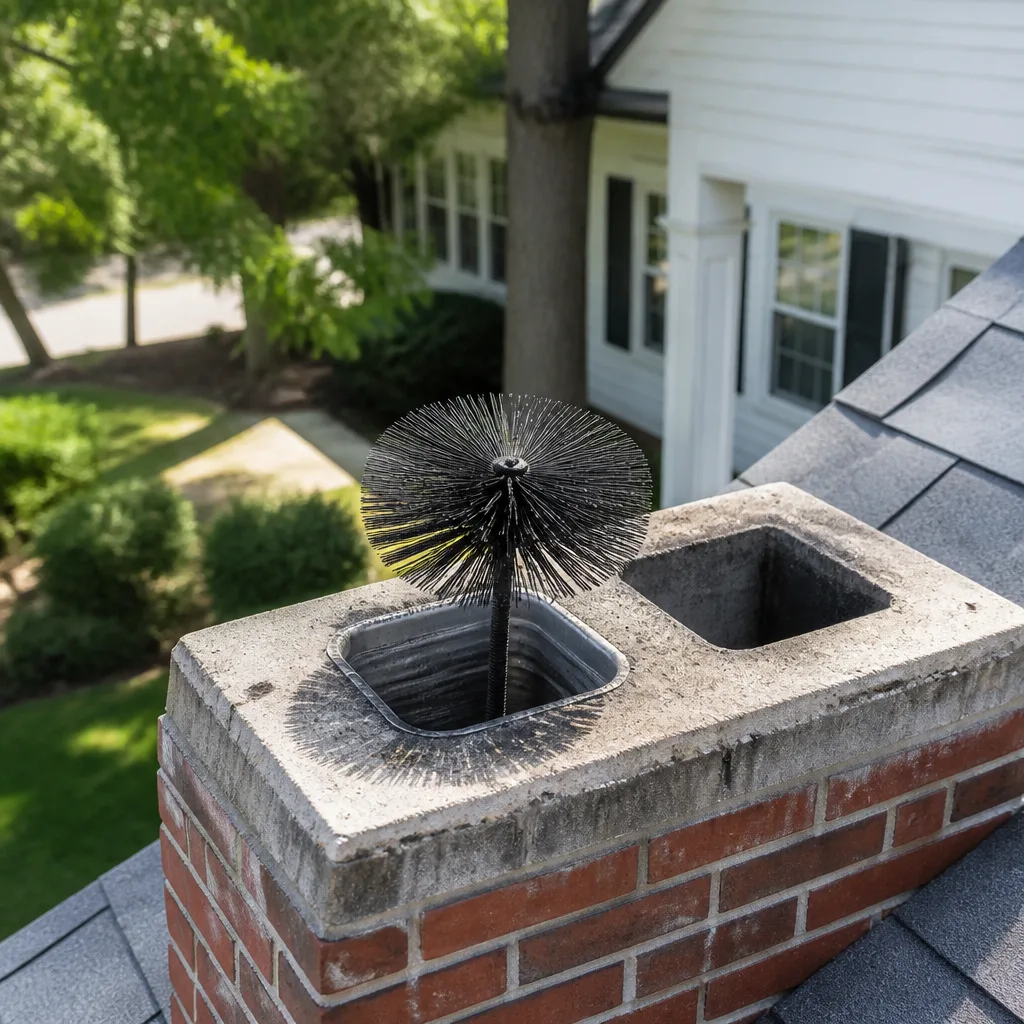
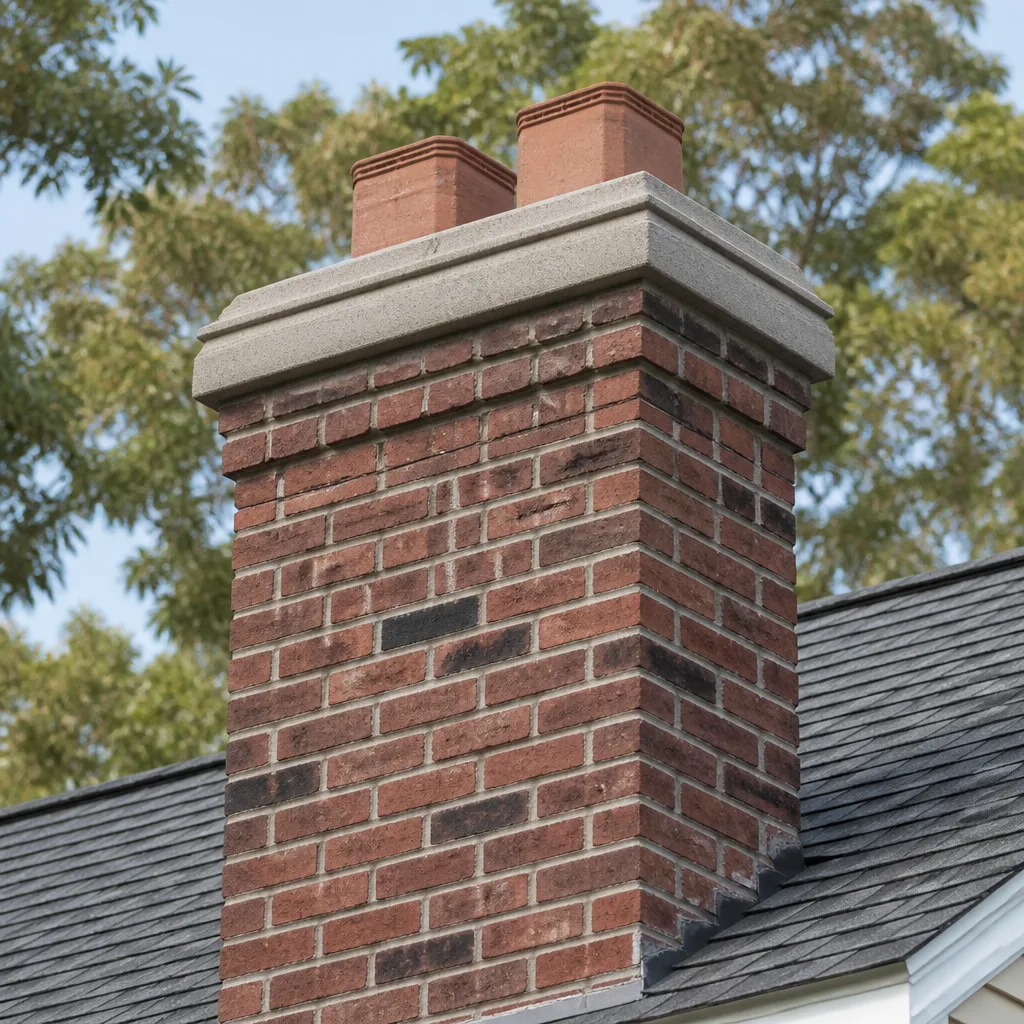
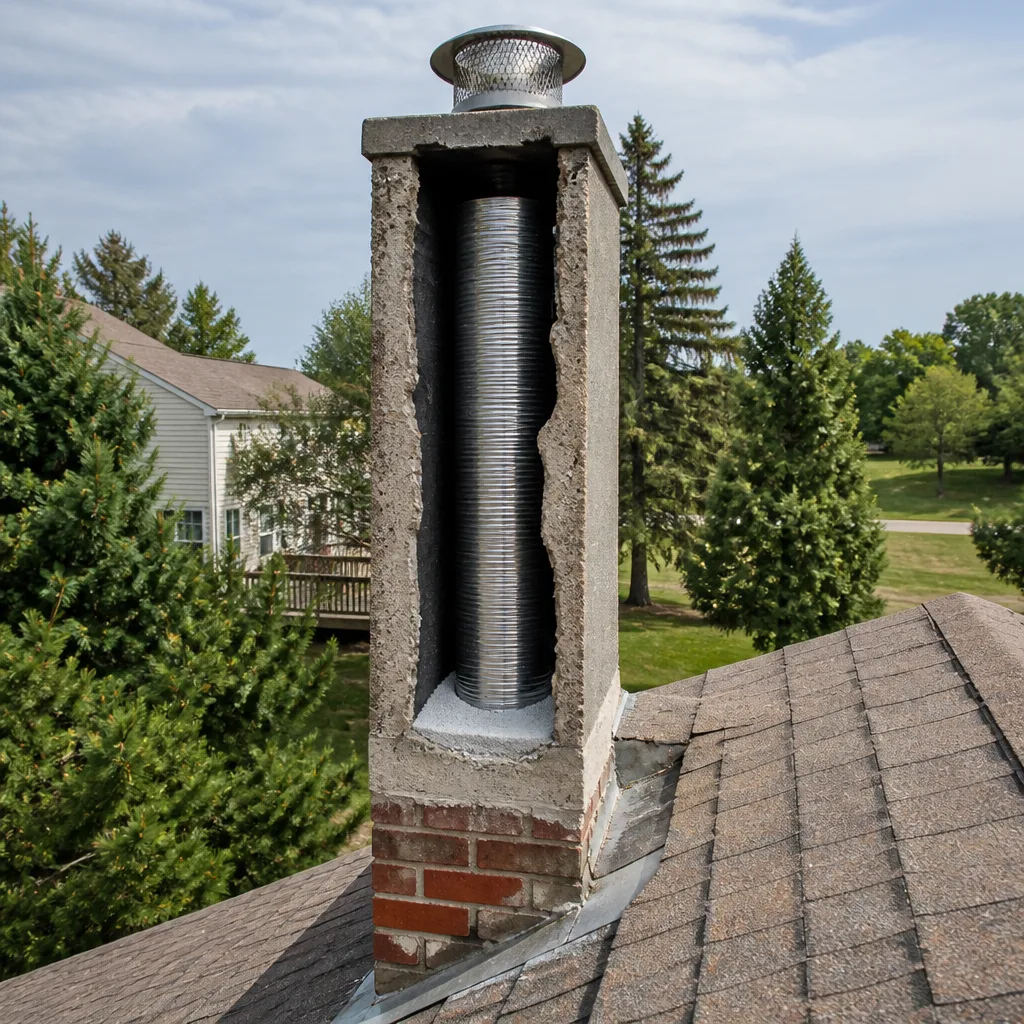
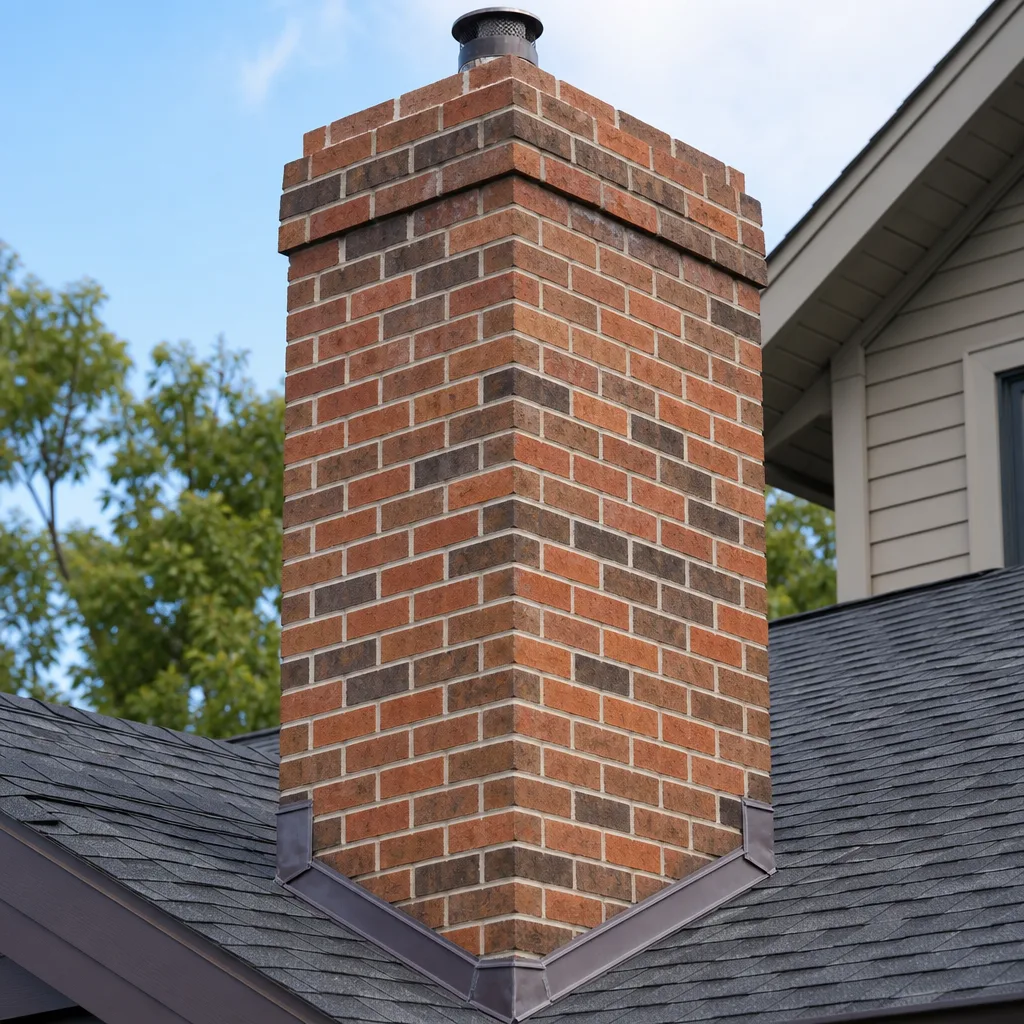
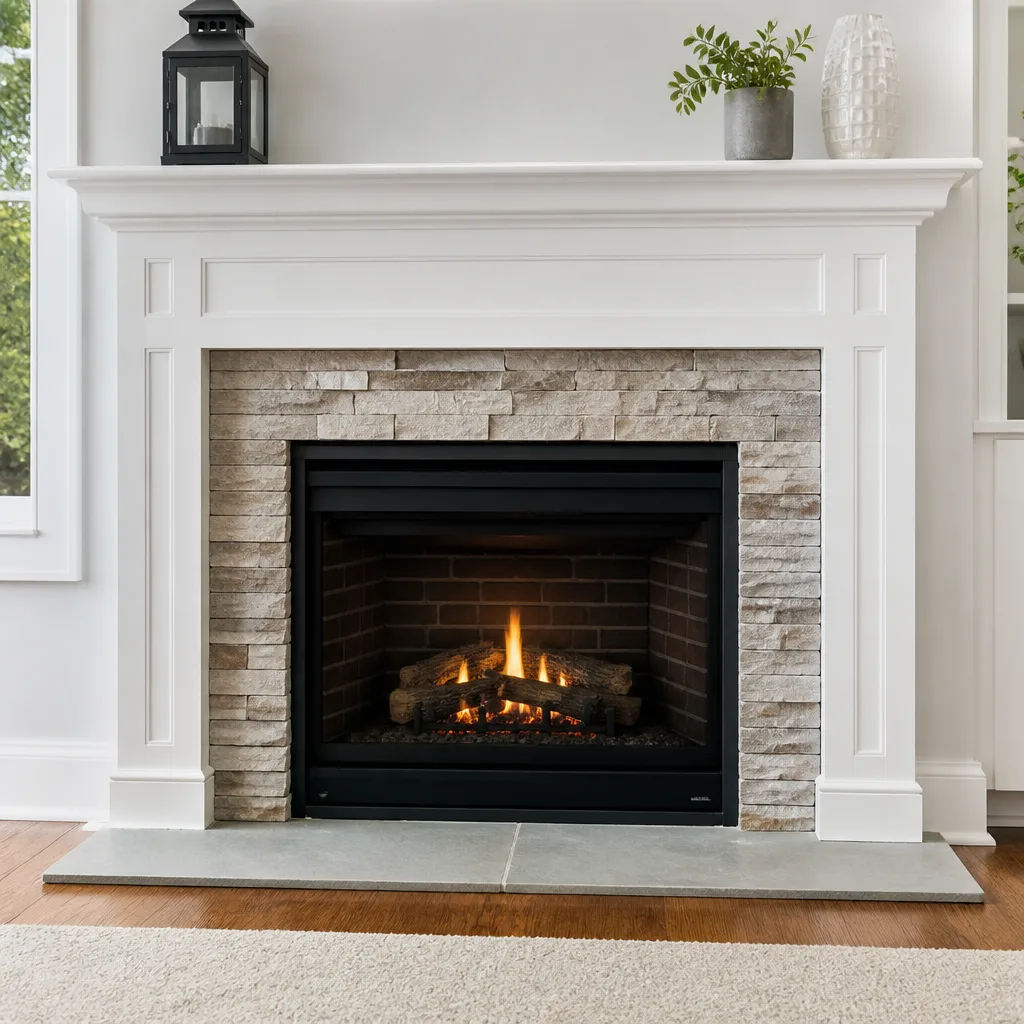
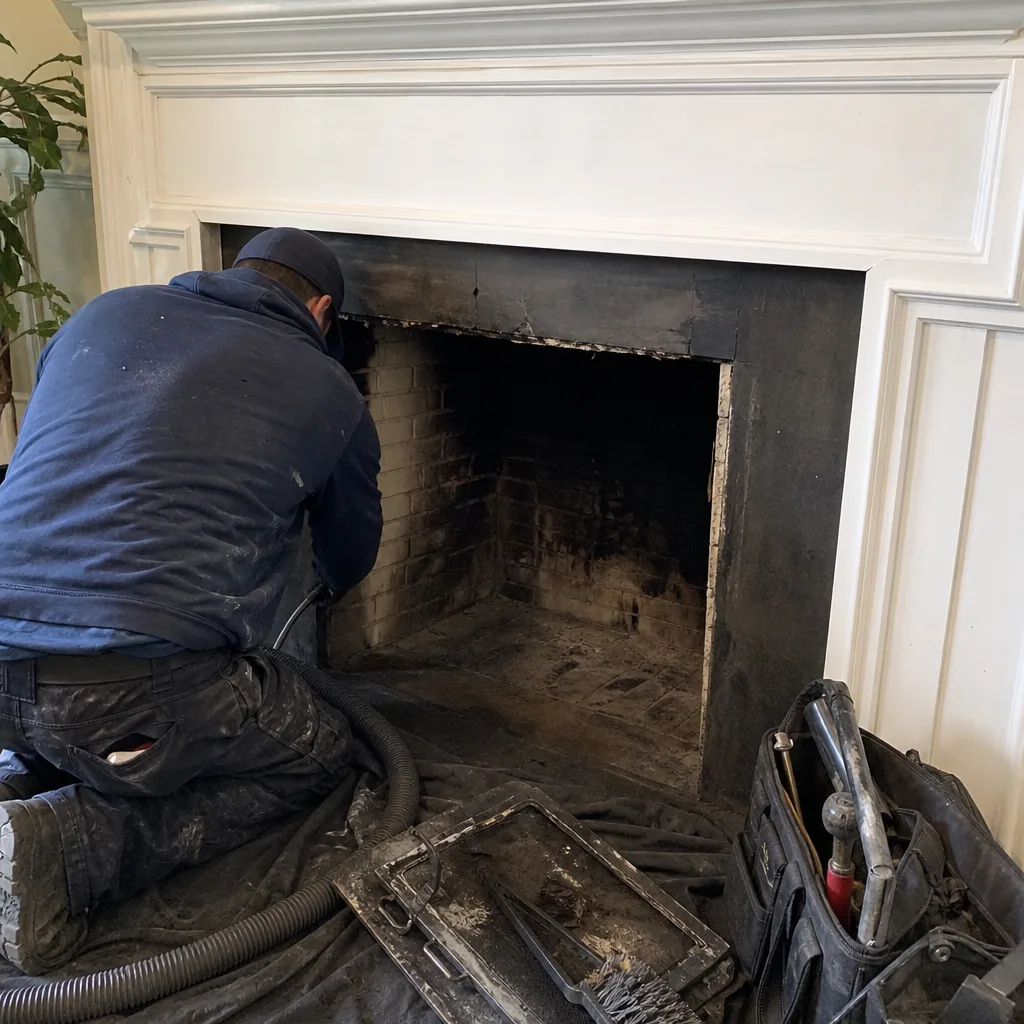 Before
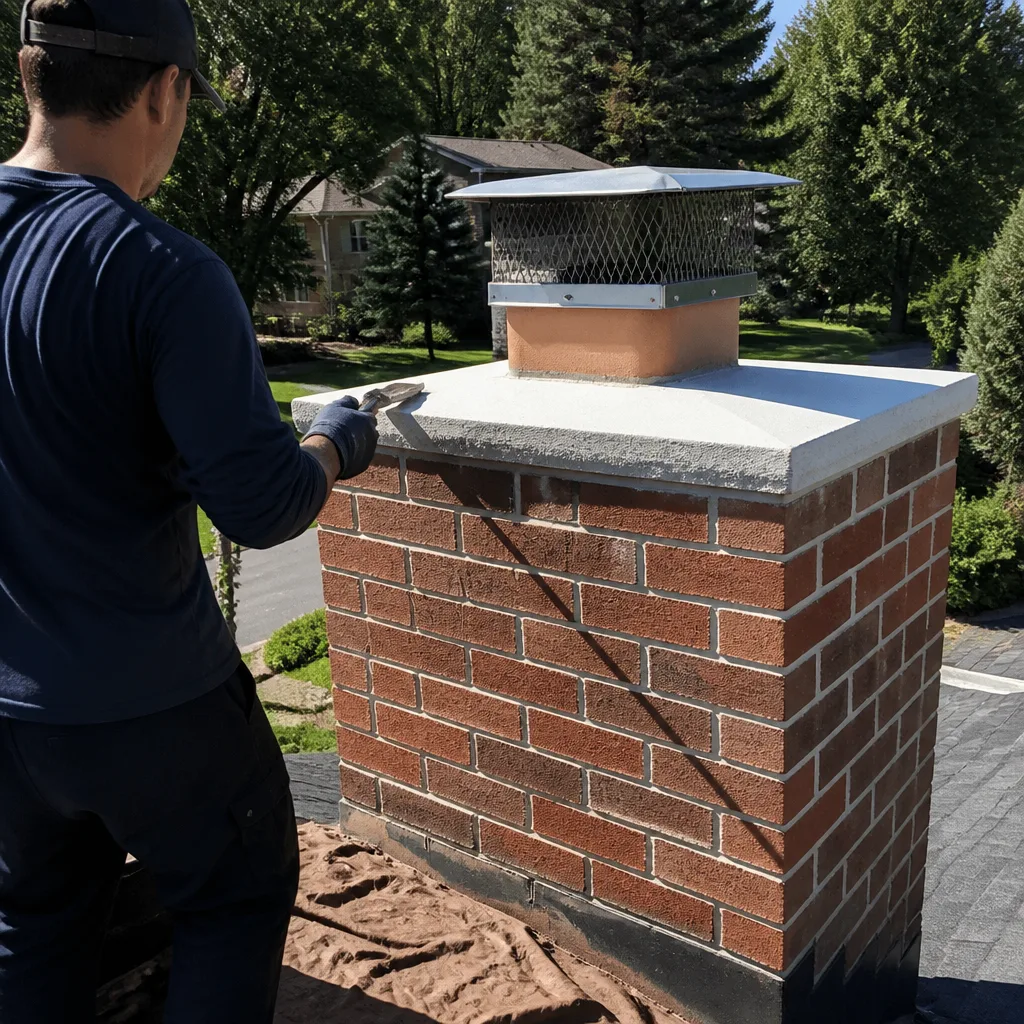 After
After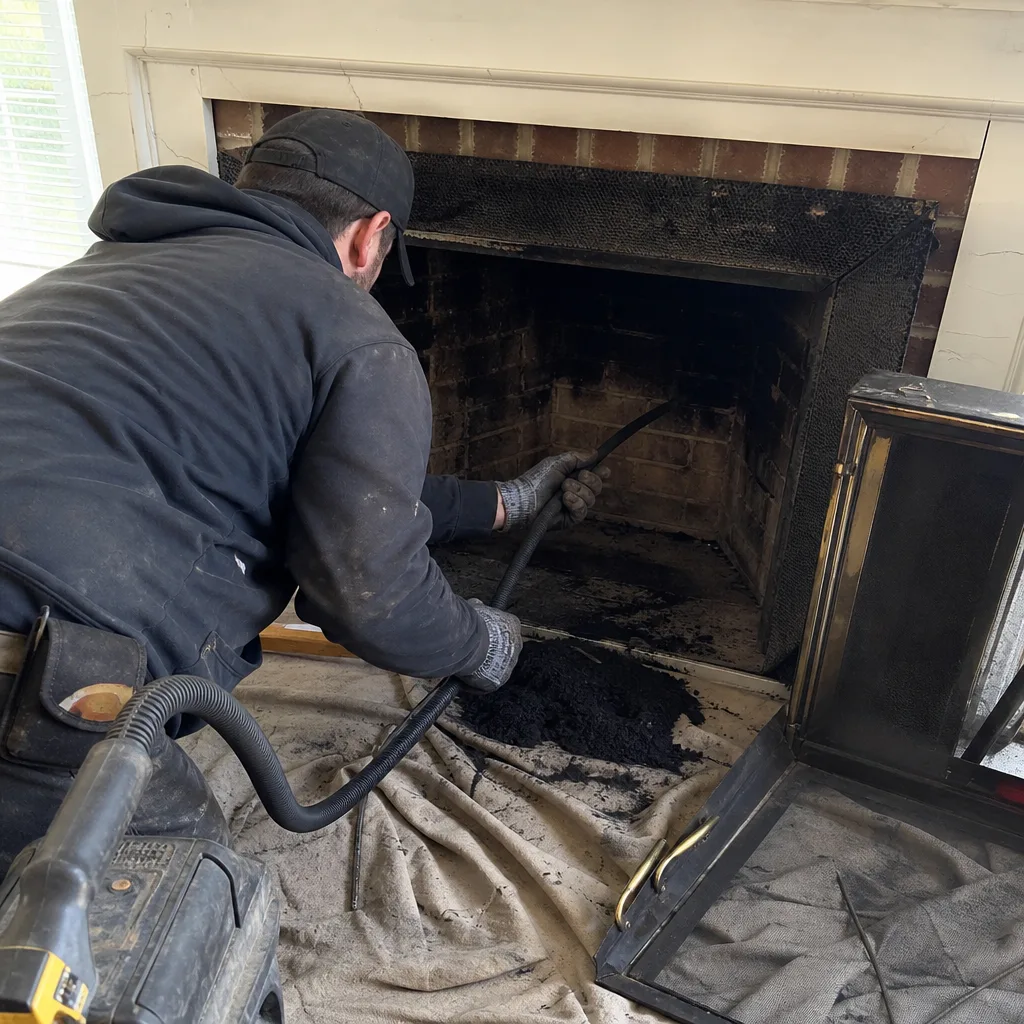 Before
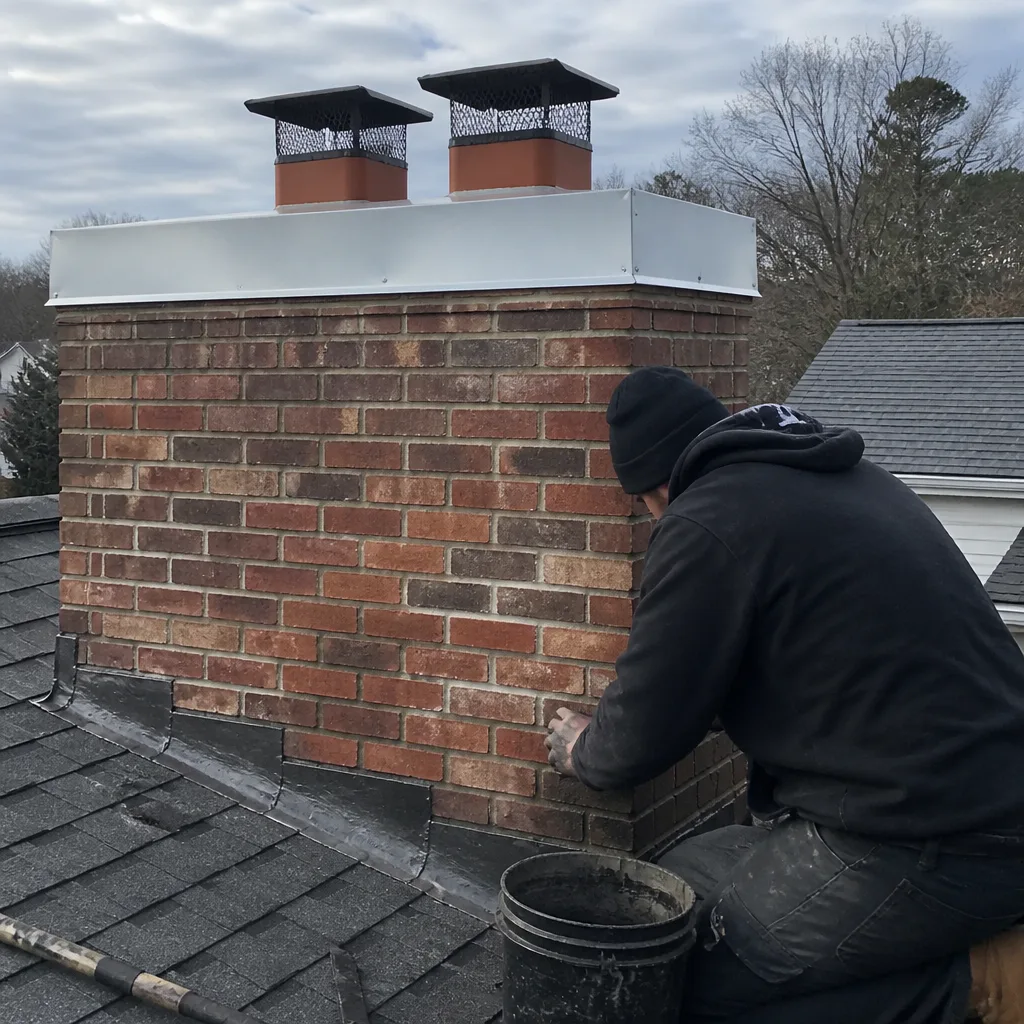 After
After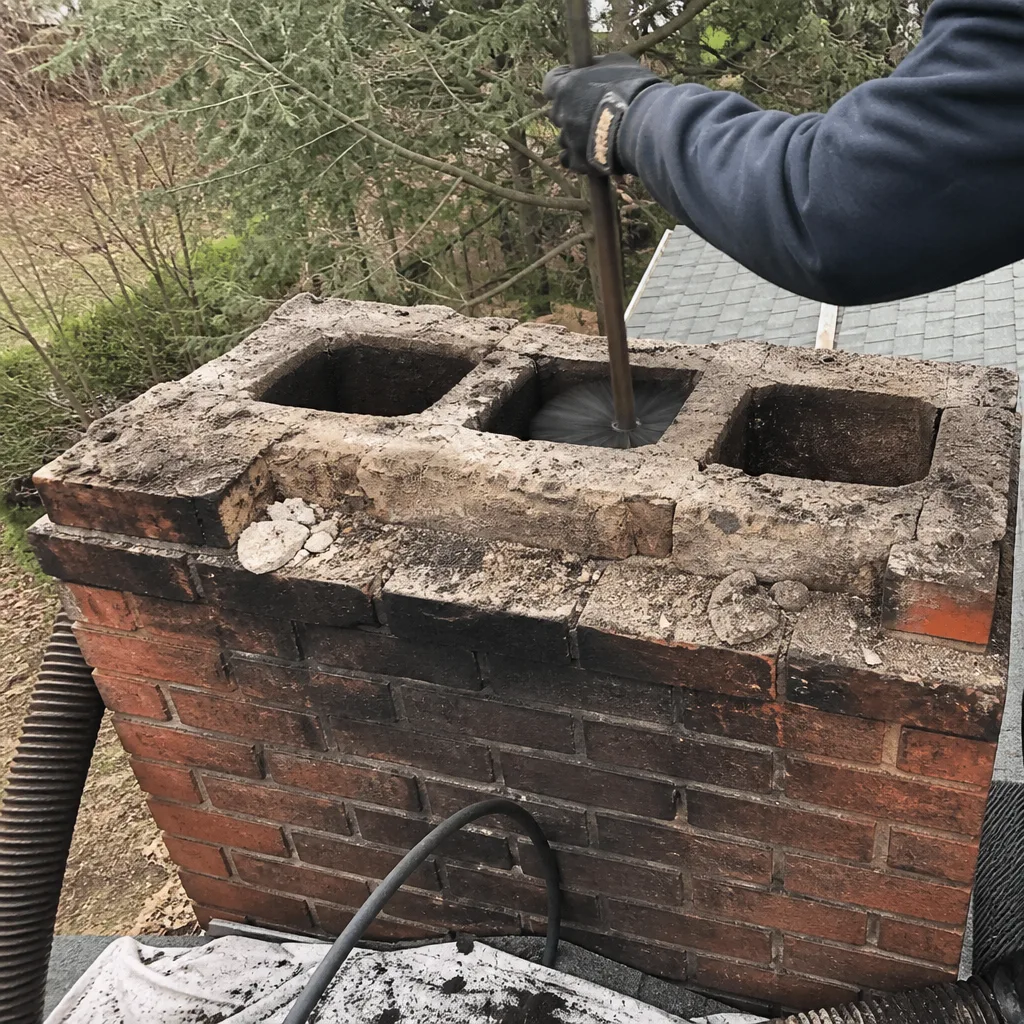 Before
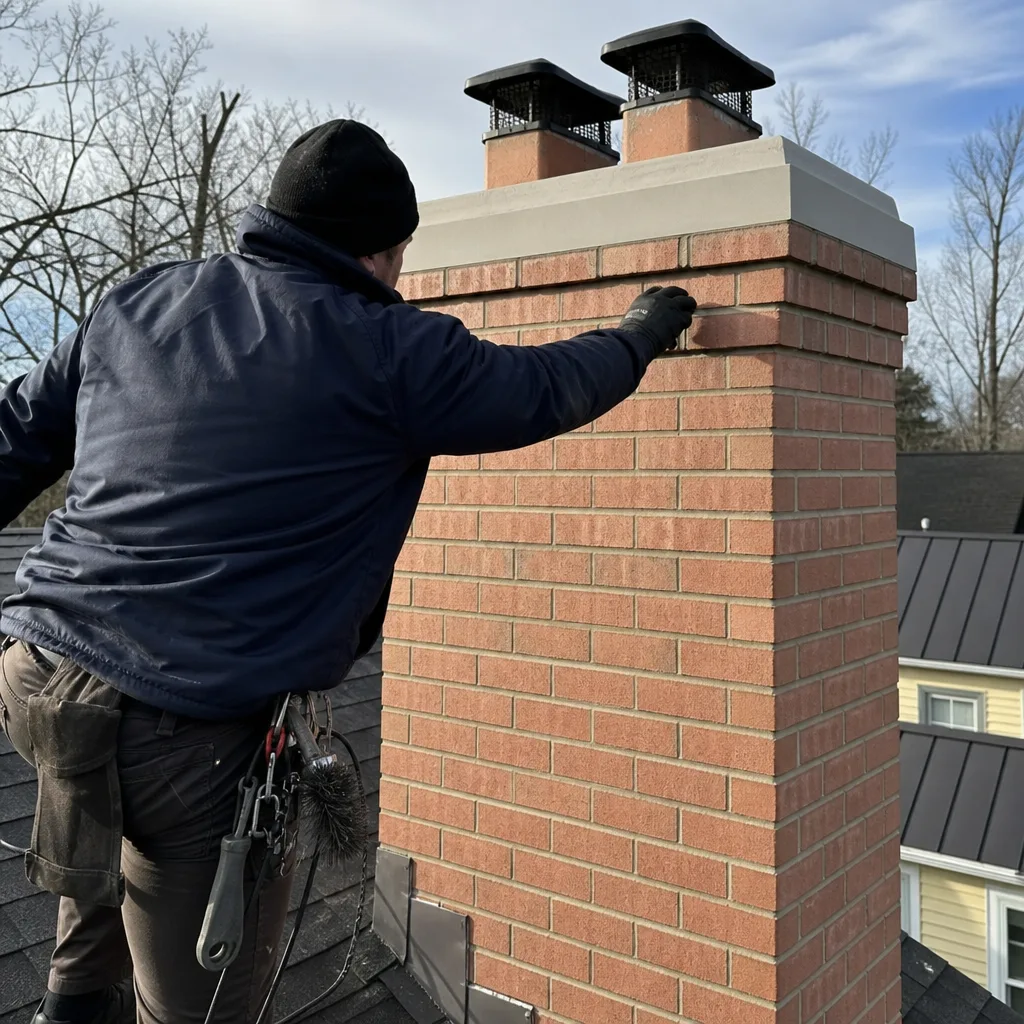 After
AfterDIY vs Professional Chimney Cleaning: The Annapolis Homeowner’s Decision Guide
Here’s a number that should stop you cold: the average chimney fire burns at over 2,000 degrees Fahrenheit, hot enough to crack a clay flue liner in under four minutes. Most Annapolis homeowners who sweep their own chimneys do a solid job removing the fluffy black dust they can see. What they miss is the Stage 2 creosote glaze baked onto the liner walls above the smoke shelf, and the hairline crown fractures only a camera on a pole ever documents. This guide walks through what DIY cleaning actually accomplishes, what it structurally cannot, and how to decide which path makes sense for your home, your insurance file, and your schedule. For how to hire a chimney cleaning contractor in Annapolis, see our step-by-step guide.
Quick Answer
DIY chimney cleaning works for removing Stage 1 creosote between professional inspections, but it cannot replace a camera-scan inspection, a written defect report, or the documentation an insurer asks for after a fire. Most Annapolis homeowners are best served by a hybrid approach: DIY surface maintenance only if you burn less than a cord a year and your last professional inspection was clean, with a professional sweep and camera inspection every one to two years regardless.
Table of Contents
- What DIY Cleaning Actually Accomplishes (And What It Cannot)
- The Documentation Gap: Insurance, Resale, and Liability
- Annapolis-Specific Risk Factors Most Guides Never Mention
- When DIY Makes Sense: A Decision Framework
- The Hybrid Approach: What You Can Do Between Professional Visits
- What a Professional Sweep Actually Includes in 2026
- The Real Cost Comparison: DIY vs Professional in Annapolis
- Common Mistakes to Avoid
BeforeAfterWhat DIY Cleaning Actually Accomplishes (And What It Cannot)
Let’s be precise about what you can and cannot do from the firebox with a brush kit from the hardware store. The creosote classification system the chimney trade uses is the best way to frame this honestly.
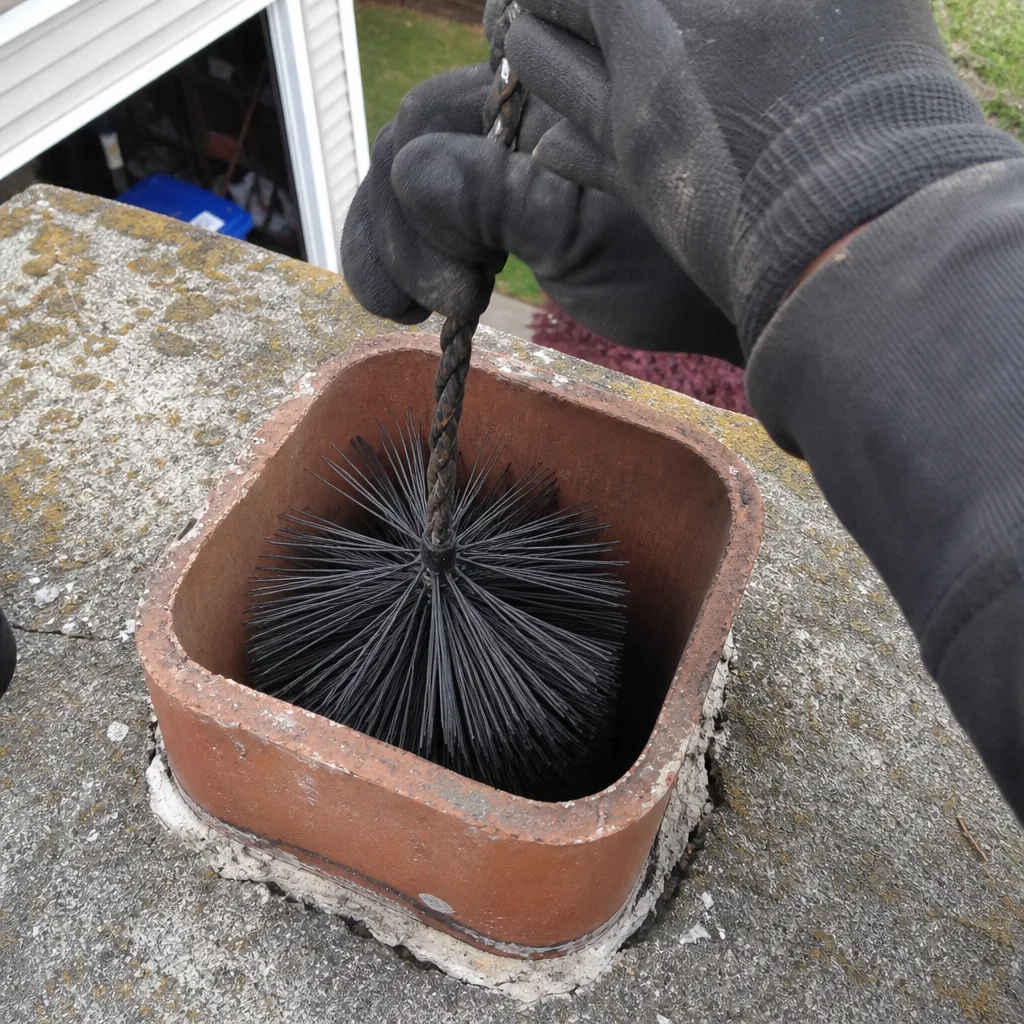
Stage 1 creosote is the flaky, sooty dust that brushes off with minimal effort. This is what most casual fireplace users see, and it’s genuinely removable with a wire brush and rod kit. If you burn seasoned hardwood, use your fireplace a dozen times a year, and have a straight flue with good access, DIY surface cleaning is a legitimate maintenance task.
Stage 2 creosote is where DIY hits its ceiling. Stage 2 is a hardened, tar-like glaze that forms when flue temperatures fluctuate. It does not brush off. It requires chemical treatments or rotary tools, and more importantly, its presence tells you something about your burning habits and draft that a brush alone won’t fix. In our experience across Annapolis homes, Stage 2 shows up most often in fireplaces burning unseasoned wood or in flues with compromised draft.
Stage 3 creosote is concentrated fuel. It looks like a glossy, tar-like coating and can burn like candle wax if it ignites. Removing Stage 3 requires rotary cleaning heads, often chemical application, and a professional who can assess whether the liner underneath is still sound. No homeowner with a $40 brush kit is removing Stage 3 creosote, and an honest assessment requires a camera.
What a brush cannot do, regardless of effort: inspect a flue liner for cracks or separation, measure draft, evaluate the smoke chamber for proper parging, check the crown for spalling, verify the cricket flashing on a roof penetration, or document any of the above for a claims file. The brush is a maintenance tool. It is not an inspection instrument.
The Documentation Gap: Insurance, Resale, and Liability
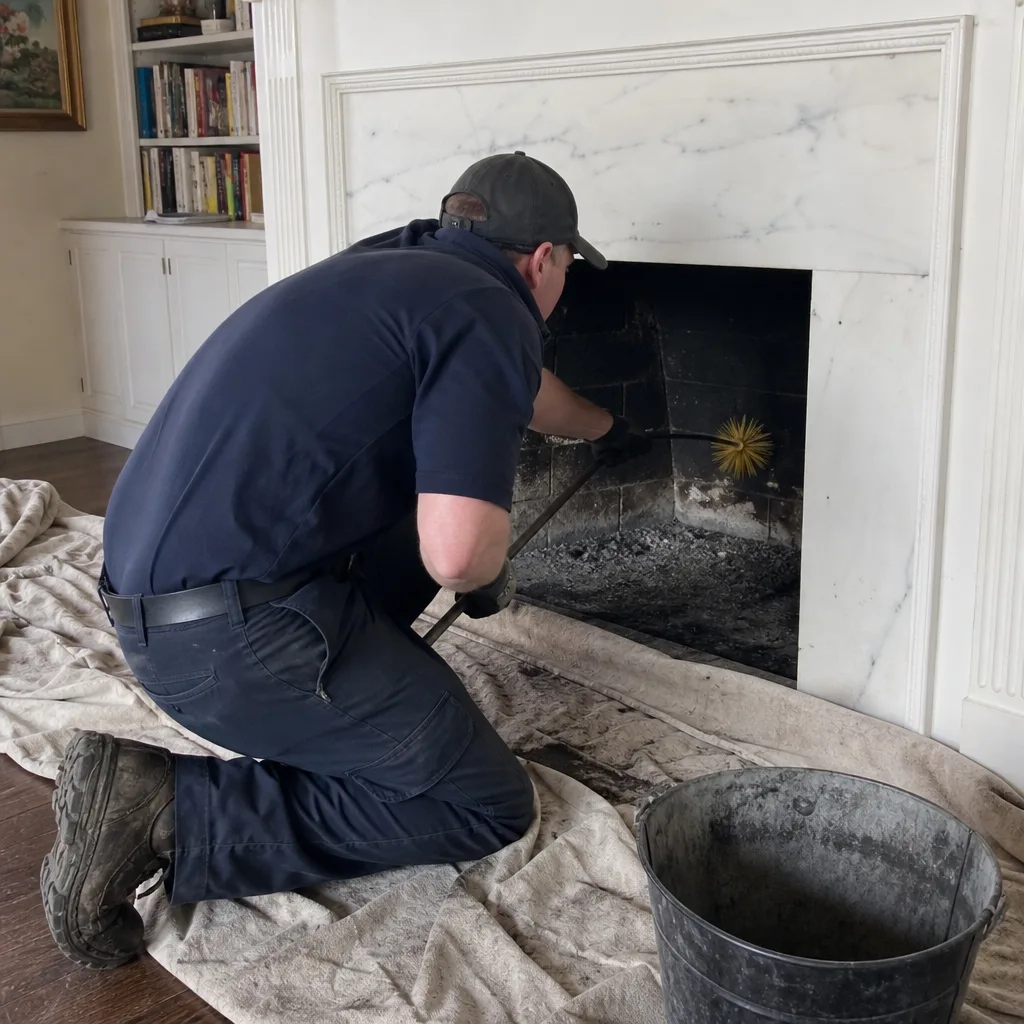
Here’s the point that gets lost in almost every DIY-versus-professional debate: your chimney has a paper trail, whether you create one or not. When something goes wrong, that blank page becomes a problem.
Consider the insurance scenario. You sweep your own chimney every fall. A chimney fire occurs in January. Your insurer’s adjuster asks for maintenance records, which chimney professionals document, and homeowners do not. The claim gets scrutinized, delayed, or denied not because you didn’t maintain the chimney, but because you cannot prove you did. A dated invoice from a sweep company, a written inspection report, and a photo record is what the adjuster is looking for, and it is exactly what a DIY job cannot produce.
Now consider the real estate transaction. Maryland sellers must disclose conditions that materially affect the property. A buyer’s inspector lists “chimney condition unknown” on the report, and suddenly you’re negotiating concession dollars you weren’t planning on. Or worse, you bought the house in the Historic District in 2019, never had the flue inspected, and now you cannot honestly answer the disclosure question at all. Level Two Chimney Annapolis home documentation practices specifically address this: every job produces a written scope, a written price, and a photo record you can pull out of a folder ten years later.
The liability transfer is the less obvious piece. When a licensed chimney company inspects a flue and writes “liner intact, clearances verified,” that signature shifts responsibility for that determination to the company’s insurance. When you inspect your own chimney and miss a crack, the liability is yours alone. For a homeowner with a wood burner, that’s not a small distinction.
Annapolis-Specific Risk Factors Most Guides Never Mention
Annapolis is not a generic chimney market, and your house is not the same as a single-story rancher in Ohio. Three local factors change the DIY calculus here.
Architecture. The Historic District and Murray Hill are full of two- and three-story colonials built before 1940. These homes have flue runs of 25 to 40 feet, sometimes with offsets that make a straight brush-and-rod push from the firebox physically unreliable. When a rod bends inside an offset, it drags against the liner on the way up and down, and you cannot feel that from the firebox. Multi-story flues also mean multi-story fire spread risk if creosote ignites, a risk worth being precise about when you’re deciding what to skip.
Climate. Annapolis sits in a freeze-thaw zone with humidity off the Chesapeake that older masonry absorbs. Water gets into the brick, freezes in January, and thaws in March. That cycle is exactly what causes spalling and crown fractures, and it means a chimney that was visually fine two years ago may not be fine now. A DIY sweep does nothing to evaluate this. Worse, a homeowner who sweeps their own flue has no photographic baseline to compare against when a slow-developing problem finally becomes visible.
Moisture and salt air. Homes within a mile of the Severn River or the Bay contend with salt-air corrosion on caps and dampers that inland homes never see. A camera scan catches deteriorating metal before it fails into the flue. A brush kit obviously does not.
The takeaway: Annapolis homes carry above-average risk for hidden chimney deterioration, and that risk argues for the camera, not the brush.
When DIY Makes Sense: A Decision Framework
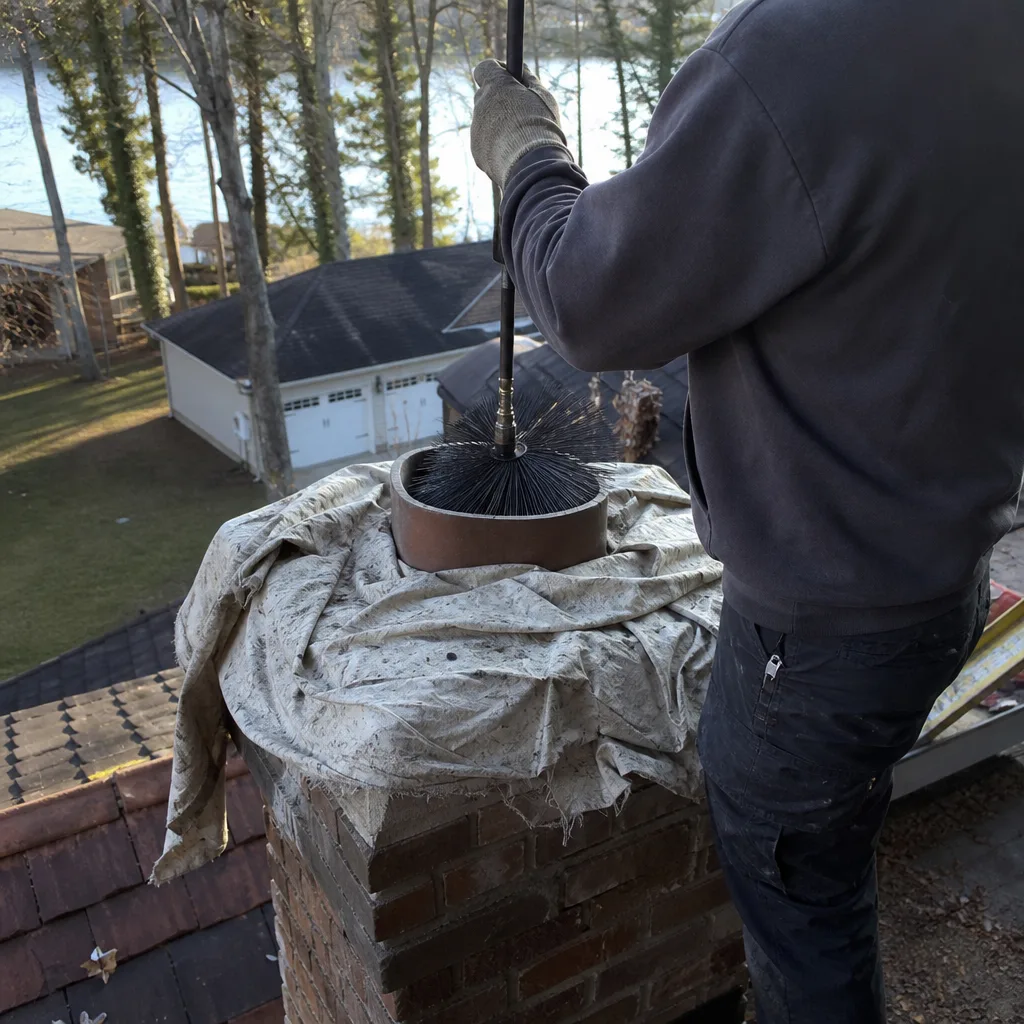
DIY cleaning is not inherently wrong. It’s situationally wrong, and the following framework separates the two. Answer these four questions honestly.
- How long is your flue run? If you can see the top of the flue from the damper, a DIY brush-and-rod sweep is mechanically feasible. If you cannot, or there’s an offset, the rods will bind before you reach the top, and you’ll have swept half a flue while feeling productive. Most single-story ranchers in Arnold or Edgewater qualify. Most Historic District colonials do not.
- When was your last professional inspection? If you’ve never had a camera in the flue since you bought the house, DIY is premature. You’d be cleaning a chimney whose structural condition you’ve never verified. Get the baseline documented first, then decide about maintenance.
- How much do you burn? Less than a dozen fires a season, seasoned hardwood only, and you’re producing mostly Stage 1 creosote. A conscientious DIYer can manage surface cleaning between professional visits. More than that, or any unseasoned wood, and you’re creating glaze that a brush won’t remove.
- Are you selling within three years? If yes, skip DIY entirely. You want a documented professional record attached to the house before a buyer’s inspector ever writes “chimney condition unknown” on a report. The inspection fee is negligible compared to the concession you’ll negotiate away.
If you answer “no” to question one, skip DIY entirely. If you answer “never” to question two, get the baseline first. If you answer “more than a dozen fires” to question three, you need professional creosote control. If you answer “yes” to question four, documentation is the priority.
The Hybrid Approach: What You Can Do Between Professional Visits
The smart Annapolis homeowner isn’t choosing between DIY and professional. They’re sequencing both. Here’s the practical division of labor.
What you can responsibly do yourself between professional visits:
- Remove loose Stage 1 soot from the firebox floor and visible lower flue using a basic brush, if your flue run is straight and accessible.
- Inspect the firebox walls for cracked firebrick and the damper for smooth operation, noting any stiffness or wobble.
- Keep the cap area free of obvious debris where safely accessible from the ground, using a roof rake only if you can do so without accessing the roof itself.
- Season your firewood: split it in spring, stack it off the ground with air circulation, and burn nothing until it reads under 20% moisture on a $20 meter. This single change does more to prevent creosote than any brush.
- Track your burn frequency and the dates about monthly, so that when a professional asks “how many fires since the last sweep?” you have an honest number instead of a shrug.
What requires a professional, every time:
- A camera scan of the flue liner, smoke chamber, and crown. Nothing replaces seeing the condition directly.
- Draft measurement and airflow verification, especially after any chimney work, flue cap replacement, or liner installation.
- Stage 2 or Stage 3 creosote removal, which needs tools and chemistry a brush kit doesn’t contain.
- Any repair or liner work, which requires permits and materials that meet the same code standards a professional company is licensed to install.
- Any documentation for insurance, real estate, or warranty purposes.
The schedule we recommend for Annapolis homes: a professional sweep and camera inspection every one to two years, paired with your own light surface maintenance between visits, depending on frequency of use. If you burn unseasoned wood or a cord or more per season, once a year is not conservative, it’s necessary.
What a Professional Sweep Actually Includes in 2026
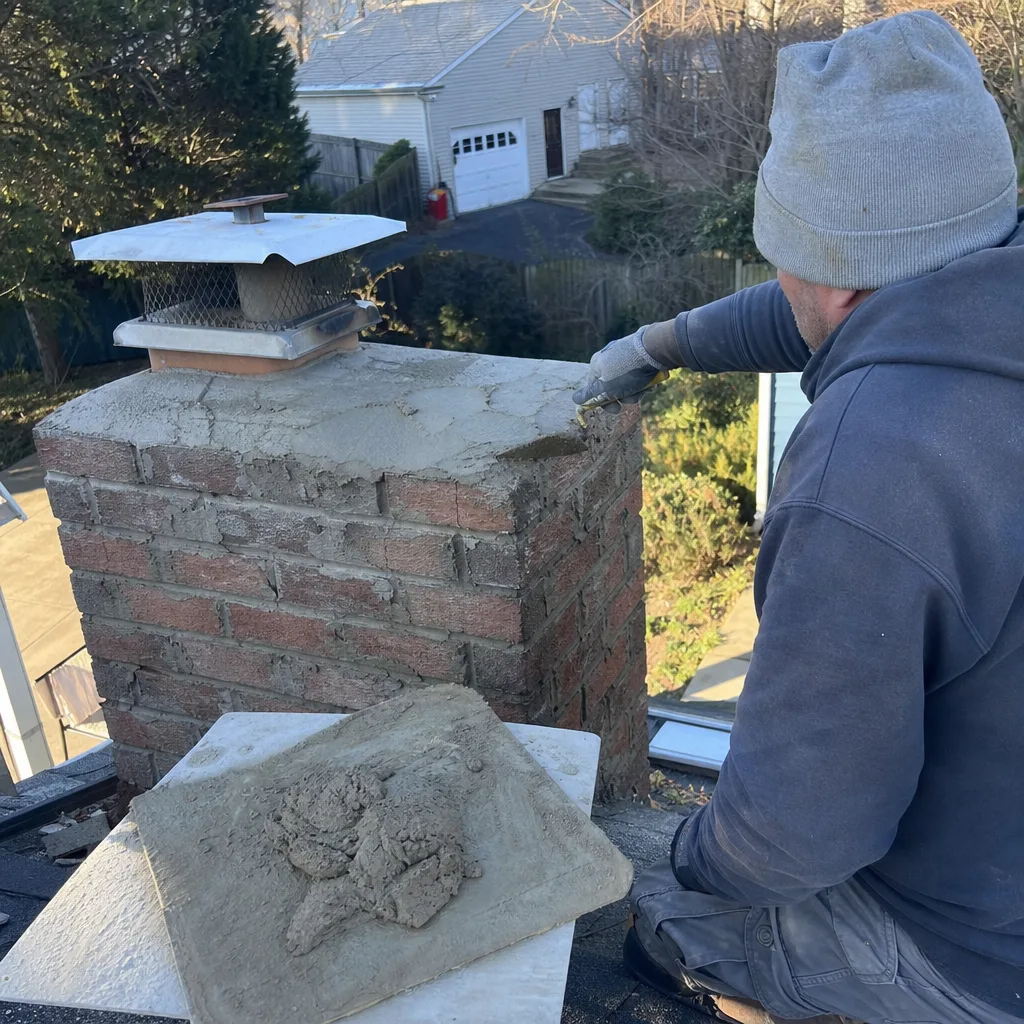
If you last had a chimney company out during the Bush administration, the standard has moved. A professional sweep in Annapolis today should include far more than a brush and a handshake. Here’s what the modern baseline looks like.
First, the sweep protects the home: drop cloths, a HEPA vacuum running throughout, and the firebox sealed so the dust never enters the living space. The brush work is done from the firebox or the roof, depending on flue configuration, and it removes Stage 1 and loose Stage 2 creosote.
Then comes the part that justifies the professional’s fee: the inspection. This is the NFPA 211 Level 2 standard, and it means putting a camera on a pole and scanning the entire flue liner, smoke chamber, damper, and crown. The technician is looking for cracks, gaps, spalling, glaze, and clearance violations. What they find gets documented in photos.
You walk away with a written scope of work, a written price for any recommended repairs, a written warranty on the work performed, and a photo record of what the camera saw. Clause 4 of the Haven Standard requires that photo record on every job, a practice Level Two Chimney Annapolis has maintained continuously since 2009, years before insurers began requesting it. That’s the documentation gap closed, permanently.
Materials matter too. When repairs are needed, reputable Annapolis companies install components from suppliers like DuraFlex for liner systems, HeatShield for resurfacing, and Copperfield for caps and dampers. These are names you can verify, and their presence on a work order tells you the company isn’t sourcing mystery parts.
The Real Cost Comparison: DIY vs Professional in Annapolis
Let’s put numbers on it, because “DIY saves money” is only true in the narrowest sense. Our chimney cleaning cost breakdown for Annapolis breaks down what to expect.
| Expense | DIY | Professional in Annapolis |
|---|---|---|
| Basic brush and rod kit | $40-$80 | N/A (included with service) |
| Drop cloths and shop vacuum | $0-$120 (if you already own them) | N/A (technician brings their own) |
| Sweep and Stage 1 creosote removal | Your labor, 2-4 hours | $200-$350, typical range in Anne Arundel County |
| Camera inspection (NFPA 211 Level 2) | Not possible with consumer equipment | Included in a proper sweep, or $150-$250 standalone |
| Written report and photo record | Not possible | Included, required under Haven Standard Clause 4 |
| Documentation for insurance or resale | None | Full written record |
The honest math: a DIY kit costs about $80 and saves you around $250 over a professional sweep, in the best case where your chimney is clean and your flue is healthy. The risk-adjusted math is different. If you miss a crack in the liner and it spreads, you’re not out $250, you’re out thousands for liner repair or replacement, possibly more in fire damage if it fails catastrophically. Professional inspection doesn’t eliminate risk, but it finds the kind of problems that turn into five-figure repairs, and it does so while the repair is still small.
The smarter comparison is not $80 versus $250. It’s $250 now versus what a chimney fire or an undisclosed defect costs later. If you want a written price before deciding anything, our team is transparent: you name the scope, we name the price, in writing, before work starts. That’s the rule, not the exception.
Common Mistakes to Avoid
- Sweeping without a baseline inspection. You cannot maintain what you’ve never verified. Get the camera in the flue first, then decide whether DIY between visits makes sense.
- Burning unseasoned wood because “it burns anyway.” It does burn, and it’s the single biggest source of Stage 2 and Stage 3 creosote in Annapolis fireplaces. A moisture meter costs $20 and will save you a chimney cleaning’s worth of problems.
- Using chemical creosote logs as a substitute for sweeping. These products soften some Stage 2 glaze but don’t remove it, don’t inspect anything, and don’t create documentation. They’re a supplement, not a service.
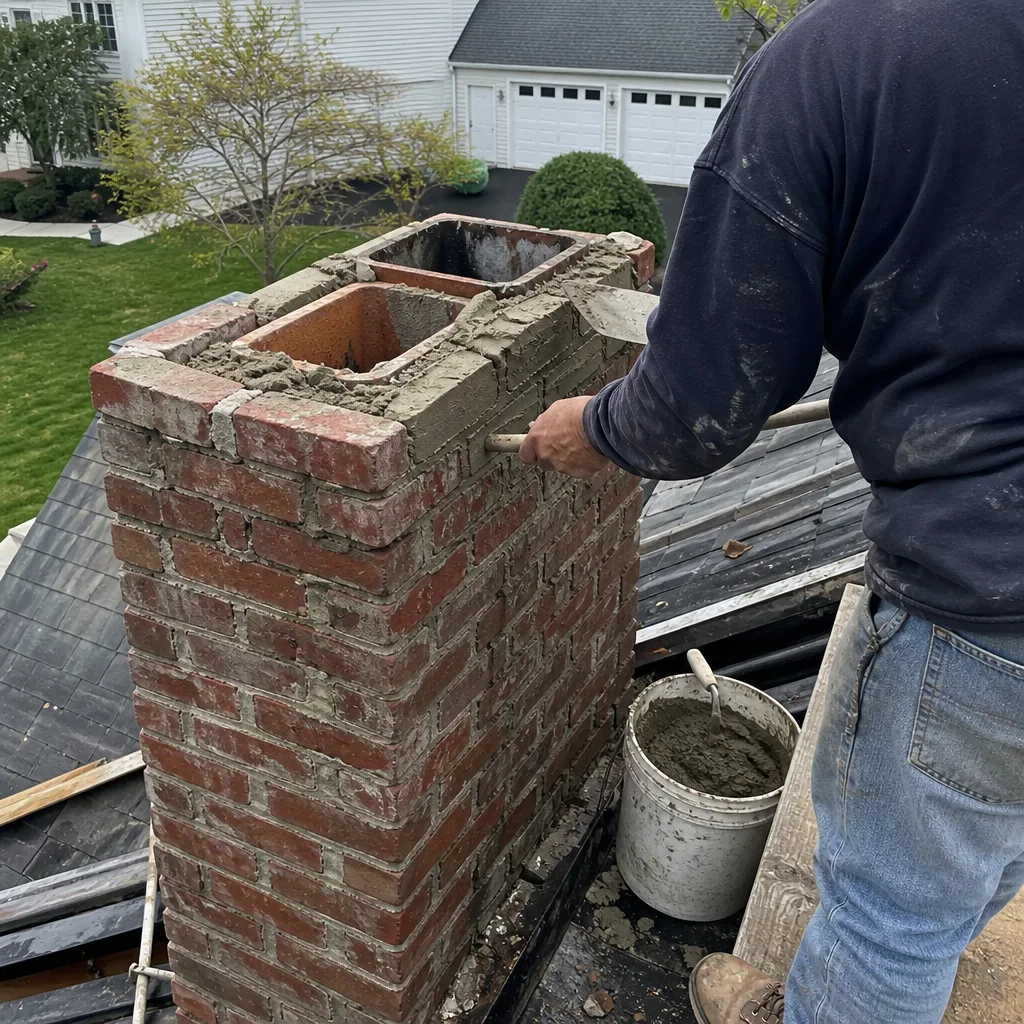
- Ignoring the crown because “it’s just concrete.” The crown is the chimney’s roof, and in Annapolis freeze-thaw conditions, a cracked crown is an open wound. Water gets in, freezes, and spalls the masonry. A camera scan catches it before it’s a $1,500 repair.
- Treating chimney maintenance as optional after you stop using the fireplace. An unused chimney still has a liner, still has a crown, and still has moisture working on the masonry. It also still needs to be inspected if you ever plan to use it again or sell the house.
- Hiring the cheapest sweep without asking what’s included. A $99 “special” that doesn’t include a camera scan or a written report is not a sweep, it’s a brush pass. You’ll pay the difference when you need the documentation you didn’t get.
- Trusting the previous owner’s word about the chimney. “The flue was fine when we moved out” is not an inspection. Buyers in Annapolis inherit whatever condition the flue is actually in, whatever condition the seller believes it’s in, which is why you need the camera before you close.
When to Call a Professional
Call for a professional sweep and camera inspection if you’ve never had one since buying your home, if you burn more than a dozen fires a season, if you see glossy or tar-like creosote in the firebox, if you smell smoke in the house after a fire, if you’re planning to sell within three years, or if your insurance company asks for maintenance records. If you’re in any of those situations, a brush kit is not the answer. It’s a $250 investment that produces the documentation you can’t manufacture yourself. Chimney Cleaning & Sweep in Annapolis is our core service, and we include the camera scan and the written record on every visit, not as an add-on.
Level Two Chimney Annapolis offers free estimates in Annapolis – call (443) 274-4231 and we’ll give you a written price before any work starts.
Frequently Asked Questions
Annapolis homes burning a cord or more per season should be swept annually; lighter users can go two years if the last camera inspection found the flue clean and the household burns only seasoned hardwood. The National Fire Protection Association recommends having chimneys, fireplaces, and vents inspected at least once a year, regardless of use. Homes in freeze-thaw zones with unlined or older masonry chimneys should lean toward annual inspection because moisture damage develops unpredictably.
You can remove loose Stage 1 creosote from a straight, accessible flue using a brush and rod kit, and many Annapolis homeowners do this between professional visits. You cannot inspect the liner, measure draft, document condition, or remove hardened Stage 2 or Stage 3 creosote, which require tools and training a hardware store kit doesn’t include. If your flue has an offset or you cannot see the top from the firebox, DIY mechanical sweeping is unreliable and risks damaging the liner.
Insurance companies do not universally require chimney inspection records before paying a claim, but when a chimney fire occurs, adjusters routinely ask for maintenance documentation as part of the investigation. A professional’s written report and photo record demonstrates that a qualified person inspected and maintained the system. A homeowner’s word that they swept it themselves carries far less weight and can complicate or delay a claim.
A sweep removes creosote and soot from the flue. A Level 2 inspection (defined by NFPA 211) adds a camera scan of the flue liner, smoke chamber, damper, and crown, performed by a technician who documents what the camera sees. The sweep addresses cleanliness; the inspection addresses structural condition. Both are typically performed together by a professional chimney company, and the camera work is what creates the documentation that protects you later.
A professional chimney sweep and inspection in Annapolis typically runs $200 to $350, depending on flue height, access difficulty, and creosote classification. A standalone camera inspection without a sweep runs $150 to $250. Prices that look dramatically lower almost always omit the camera scan, the written report, or both. Call (443) 274-4231 for an exact written quote: estimates are free and the price is set before work starts.
Gas fireplaces do not produce creosote the way wood burners do, but their venting systems still need an annual check for blockages, corrosion, and proper draft. Carbon monoxide is the risk with gas, not chimney fire, and a blocked or damaged vent can put that gas back into your living space. Fireplace Services in Annapolis covers direct-vent, vent-free, and converted wood-burning fireplaces, and the annual visual check is part of responsible gas fireplace ownership.
A cracked flue liner is a fire hazard because it exposes combustible framing to flue temperatures, and it will not heal itself. The repair is either a stainless steel liner system, typically from manufacturers like DuraFlex, or a resurfacing treatment like HeatShield, depending on the degree of damage. Chimney Repair in Annapolis is where we document liner condition with the camera scan, explain what the photos show in plain terms, and give you a written scope and price before any work is scheduled.
The Bottom Line
DIY chimney cleaning removes surface creosote, and that’s all. It does not inspect, document, or transfer liability, which is what a homeowner in Annapolis actually needs from chimney maintenance. The smart approach is a hybrid: a professional sweep and camera inspection every one to two years, with light surface maintenance in between if your flue is accessible and your burn habits are modest. Budget $200 to $350 per visit, expect a written price and a photo record every time, and treat the documentation as the product, because that’s what your insurer, your buyer, and your future self will ask for. For more guides & resources, visit our blog.
Written by Corrine Halstead, Owner at Level Two Chimney Annapolis, serving Annapolis since 2009.